Australian Women Linked to Daesh Face Arrest Upon Return from Syria
Four women and nine children, including Australian citizens, are expected to land in Melbourne and Sydney after fleeing to Syria to join the defunct caliphate.
A group of four women and nine children, all Australian citizens, are scheduled to return to their home country this week, landing in major cities such as Melbourne and Sydney.
The individuals were part of a larger group that had traveled to Syria during the peak of Daesh's influence to join the group's self-proclaimed caliphate.
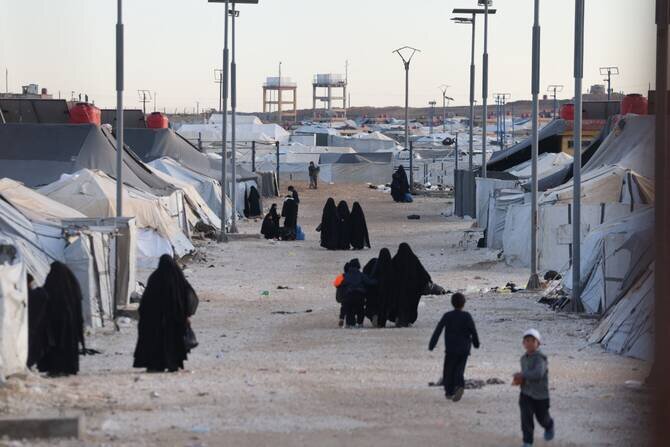
These returning Australians have been residing in Syrian refugee camps following the collapse of Daesh.
Their repatriation comes after years of uncertainty, as these women are believed to have associated with Daesh, a United Nations designated terrorist organization.
Upon their return, some of them will face charges related to terrorism offenses, including traveling to a banned territory and engaging in activities such as slave trading, which the Australian police have outlined.
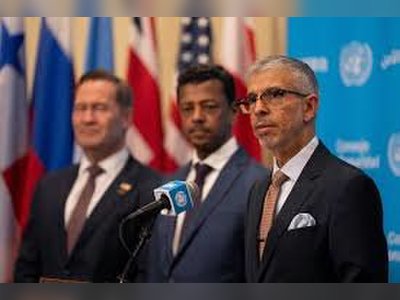
New South Wales state police commissioner Mal Lanyon stated that operational reasons prevent him from disclosing who among the group might be arrested.
The authorities are working closely with the Commonwealth government on this matter.
This case has sparked a significant debate in Australia, particularly concerning how to treat its citizens who have been stranded abroad after the demise of Daesh's territorial control.
Notably known as 'Daesh brides,' these individuals have drawn mixed opinions regarding their fate and whether they should be held accountable for their actions.
The Australian Human Rights Commission recently called on the government to assist in the repatriation of 34 women and children from Roj refugee camp in Syria.
Home Affairs Minister Tony Burke criticized the returning women, stating that their decision to join a dangerous terrorist organization was 'horrific.'
This is not an isolated incident.
Previous groups of Australian citizens have also returned from Syrian refugee camps since 2019.
Their homecoming underscores ongoing challenges faced by governments worldwide in managing the return and rehabilitation of nationals who were part of or associated with terrorist organizations.
The individuals were part of a larger group that had traveled to Syria during the peak of Daesh's influence to join the group's self-proclaimed caliphate.
These returning Australians have been residing in Syrian refugee camps following the collapse of Daesh.
Their repatriation comes after years of uncertainty, as these women are believed to have associated with Daesh, a United Nations designated terrorist organization.
Upon their return, some of them will face charges related to terrorism offenses, including traveling to a banned territory and engaging in activities such as slave trading, which the Australian police have outlined.
New South Wales state police commissioner Mal Lanyon stated that operational reasons prevent him from disclosing who among the group might be arrested.
The authorities are working closely with the Commonwealth government on this matter.
This case has sparked a significant debate in Australia, particularly concerning how to treat its citizens who have been stranded abroad after the demise of Daesh's territorial control.
Notably known as 'Daesh brides,' these individuals have drawn mixed opinions regarding their fate and whether they should be held accountable for their actions.
The Australian Human Rights Commission recently called on the government to assist in the repatriation of 34 women and children from Roj refugee camp in Syria.
Home Affairs Minister Tony Burke criticized the returning women, stating that their decision to join a dangerous terrorist organization was 'horrific.'
This is not an isolated incident.
Previous groups of Australian citizens have also returned from Syrian refugee camps since 2019.
Their homecoming underscores ongoing challenges faced by governments worldwide in managing the return and rehabilitation of nationals who were part of or associated with terrorist organizations.