
Russia Steps Up Assassination Campaign Against Opponents in Europe
Intelligence officials warn that Moscow is increasingly brazen in targeting Russian activists and foreign supporters of Ukraine.
Russian efforts to eliminate political opponents abroad have intensified, according to Western intelligence officials.
Since the invasion of Ukraine in 2022, there has been a marked escalation in targeted killings against those perceived as adversaries by the Kremlin.
This campaign involves not only military defectors but also Russian activists and supporters of Ukraine living in Europe.
The French authorities have taken steps to protect Vladimir Osechkin, a Russian activist who has been under police protection since 2022 due to fears for his safety.
In April 2025, four men from Russia's Dagestan region were detained by French police after they were found surveilling Osechkin’s home in what appeared to be preparation for an assassination attempt.
This incident is part of a broader pattern where Russian operatives are engaging in suspicious activities in European countries.
Lithuania and Germany have also thwarted several plots aimed at assassinating activists and military officials, highlighting the geographical scope of Russia's efforts.
In Lithuania alone, authorities have dismantled two assassination plots, one targeting a Lithuanian supporter of Ukraine and another against a Russian activist.
Germany has similarly disrupted attempts on the head of a weapons company supplying Ukraine and a Ukrainian military official.
The methods used by Russia have evolved over time.
Initially relying on its own security services for such operations, Moscow now increasingly employs proxies to carry out targeted killings.
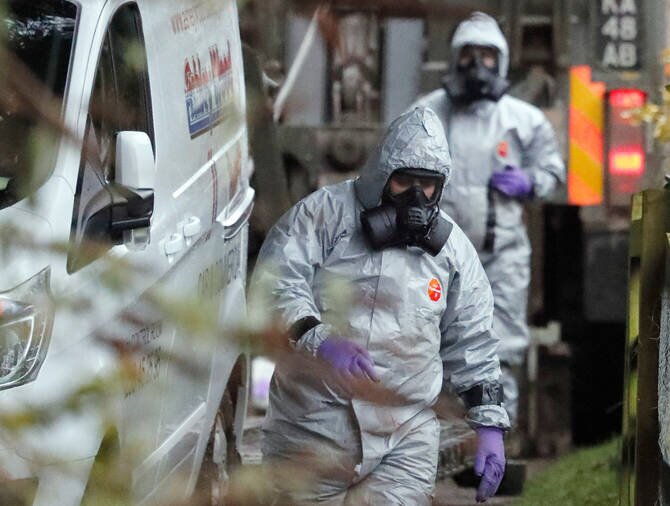
The shift is partly due to the international backlash that followed the poisoning of Sergei Skripal in 2018, leading to the expulsion of Russian diplomats from numerous Western nations.
European intelligence officials suggest that Russia's campaign is politically motivated and aims to undermine European support for Ukraine.
They point to at least 191 acts of sabotage, arson, and other disruptions linked to Russia since the beginning of the war.
By employing proxies, Moscow can maintain deniability while exerting pressure on its opponents to cease their activism, either by fleeing or staying silent.
Despite these efforts, European law enforcement agencies have managed to thwart many of the plots.
However, the threat remains significant, and targets are advised that they cannot expect to be completely safe, even if individual attempts are foiled.
The challenge for authorities is ongoing as they strive to counter Russia's sophisticated and increasingly brazen tactics aimed at silencing dissent both within Russia and abroad.
Since the invasion of Ukraine in 2022, there has been a marked escalation in targeted killings against those perceived as adversaries by the Kremlin.
This campaign involves not only military defectors but also Russian activists and supporters of Ukraine living in Europe.
The French authorities have taken steps to protect Vladimir Osechkin, a Russian activist who has been under police protection since 2022 due to fears for his safety.
In April 2025, four men from Russia's Dagestan region were detained by French police after they were found surveilling Osechkin’s home in what appeared to be preparation for an assassination attempt.
This incident is part of a broader pattern where Russian operatives are engaging in suspicious activities in European countries.
Lithuania and Germany have also thwarted several plots aimed at assassinating activists and military officials, highlighting the geographical scope of Russia's efforts.
In Lithuania alone, authorities have dismantled two assassination plots, one targeting a Lithuanian supporter of Ukraine and another against a Russian activist.
Germany has similarly disrupted attempts on the head of a weapons company supplying Ukraine and a Ukrainian military official.
The methods used by Russia have evolved over time.
Initially relying on its own security services for such operations, Moscow now increasingly employs proxies to carry out targeted killings.
The shift is partly due to the international backlash that followed the poisoning of Sergei Skripal in 2018, leading to the expulsion of Russian diplomats from numerous Western nations.
European intelligence officials suggest that Russia's campaign is politically motivated and aims to undermine European support for Ukraine.
They point to at least 191 acts of sabotage, arson, and other disruptions linked to Russia since the beginning of the war.
By employing proxies, Moscow can maintain deniability while exerting pressure on its opponents to cease their activism, either by fleeing or staying silent.
Despite these efforts, European law enforcement agencies have managed to thwart many of the plots.
However, the threat remains significant, and targets are advised that they cannot expect to be completely safe, even if individual attempts are foiled.
The challenge for authorities is ongoing as they strive to counter Russia's sophisticated and increasingly brazen tactics aimed at silencing dissent both within Russia and abroad.