Saudi Airspace Block Forces U.S. Reversal on Hormuz Plan as Gulf Alliance Fractures Over Iran Strategy
Trump pauses “Project Freedom” after Saudi Arabia restricts access to bases and airspace, exposing deep coordination breakdown with key Gulf partners amid escalating tensions over the Strait of Hormuz
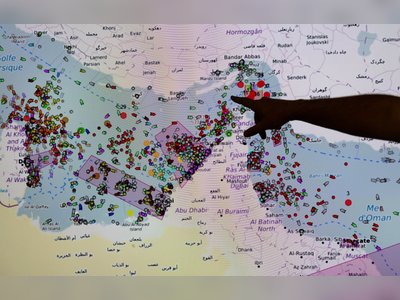
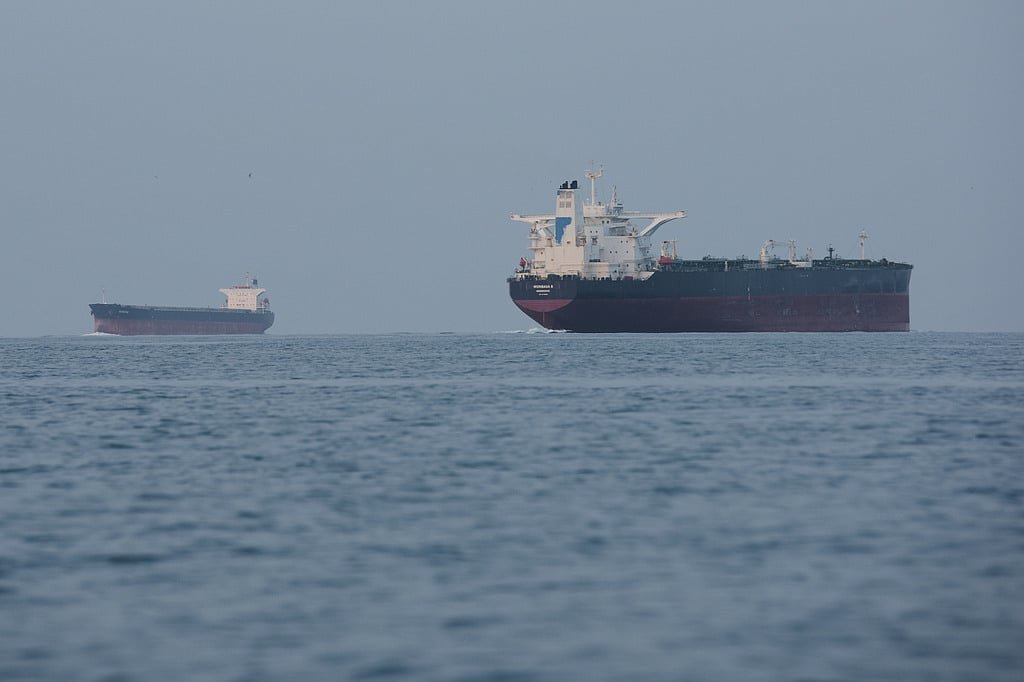
The breakdown of U.S. military access agreements with Gulf partners has forced a rapid reversal of Washington’s approach to securing the Strait of Hormuz, a critical global energy chokepoint where roughly one-fifth of the world’s oil flows.
The core driver of the story is SYSTEM-DRIVEN: the interaction between U.S. military planning, Gulf state sovereignty over airspace and bases, and the fragile security architecture governing maritime trade routes near Iran.
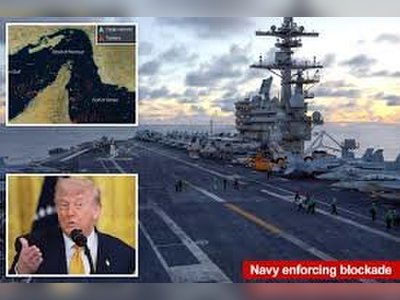
The immediate trigger is Washington’s attempt to implement a maritime protection initiative known as “Project Freedom,” designed to escort commercial shipping through the Strait of Hormuz amid ongoing regional tensions with Iran.
The plan was publicly introduced as a U.S.-led effort to restore safe passage for tankers after months of disruption and reported attacks on commercial vessels.
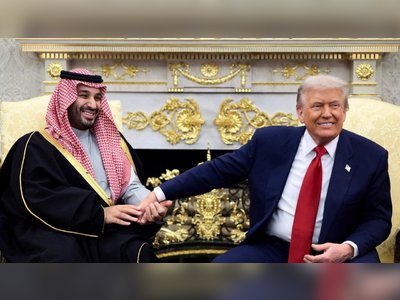
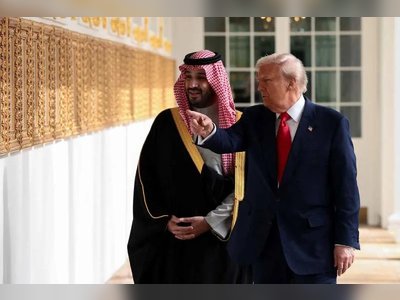
What is confirmed is that the operation was quickly suspended after Gulf partners, most notably Saudi Arabia, declined to provide access to key military infrastructure, including airspace and bases used for regional operations.
That restriction significantly limited the feasibility of the plan, which relied on coordinated air and naval coverage across multiple Gulf states.
Without that access, the operational model became difficult to sustain.
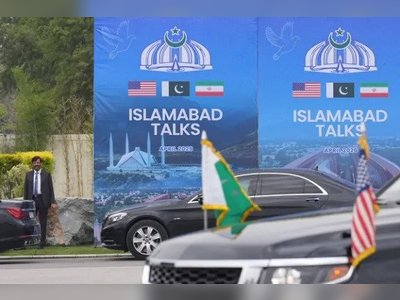
The suspension was announced by U.S. leadership as a temporary pause intended to allow space for diplomacy, including ongoing discussions involving Iran.
Official statements indicated that military escorts and protective measures would not proceed while negotiations remained active, although broader pressure on shipping routes has continued.
Saudi Arabia’s decision is reported to have followed concern over escalation risks and the possibility that direct U.S. military involvement in escorting ships could be interpreted by Iran as a hostile act.
That interpretation would raise the risk of retaliation in a region already marked by intermittent strikes on maritime infrastructure and naval confrontations.
The dispute highlights a deeper structural tension: Gulf states depend on U.S. security guarantees, but are increasingly reluctant to be drawn into direct operational alignment when risks of escalation with Iran rise.
This creates friction between Washington’s need for forward military positioning and regional governments’ desire to avoid becoming direct participants in an active conflict environment.
Kuwait’s reported alignment with Saudi restrictions further complicated the operational picture by reducing available staging grounds for aircraft and support systems.
This shift narrowed the U.S. military’s logistical footprint in the region, increasing reliance on alternative partners and limiting the flexibility of planned escort routes through the Strait.
The implications extend beyond a single operation.
The Strait of Hormuz is not only a military flashpoint but also a structural pillar of global energy markets.
Any sustained disruption or uncertainty in its security directly affects global oil pricing, shipping insurance costs, and energy supply stability across Asia, Europe, and North America.
Iran has consistently asserted its ability to contest maritime traffic in the strait, and has treated foreign military escort operations as potential escalatory moves.
That position places any external protection effort in a highly sensitive escalation environment, where miscalculation can quickly widen into broader confrontation.
The current pause leaves shipping security in a constrained state: military presence remains in the region, but coordinated escort operations are not active.
This creates a situation where deterrence is present but not fully operationalized, leaving commercial shipping exposed to elevated risk perceptions.
The broader consequence is a visible strain in U.S.–Gulf coordination at a moment when maritime security, energy flows, and regional diplomacy are tightly interlinked.
The reversal underscores that even closely aligned partners retain distinct red lines when military operations risk triggering direct confrontation with Iran.
The strategic outcome is a recalibration rather than a resolution.
U.S. planners retain the option to reactivate escort operations, but only if access agreements, regional consent, and diplomatic conditions converge.
Until then, the Strait of Hormuz remains a high-risk corridor governed as much by political coordination failures as by military presence.
The core driver of the story is SYSTEM-DRIVEN: the interaction between U.S. military planning, Gulf state sovereignty over airspace and bases, and the fragile security architecture governing maritime trade routes near Iran.
The immediate trigger is Washington’s attempt to implement a maritime protection initiative known as “Project Freedom,” designed to escort commercial shipping through the Strait of Hormuz amid ongoing regional tensions with Iran.
The plan was publicly introduced as a U.S.-led effort to restore safe passage for tankers after months of disruption and reported attacks on commercial vessels.
What is confirmed is that the operation was quickly suspended after Gulf partners, most notably Saudi Arabia, declined to provide access to key military infrastructure, including airspace and bases used for regional operations.
That restriction significantly limited the feasibility of the plan, which relied on coordinated air and naval coverage across multiple Gulf states.
Without that access, the operational model became difficult to sustain.
The suspension was announced by U.S. leadership as a temporary pause intended to allow space for diplomacy, including ongoing discussions involving Iran.
Official statements indicated that military escorts and protective measures would not proceed while negotiations remained active, although broader pressure on shipping routes has continued.
Saudi Arabia’s decision is reported to have followed concern over escalation risks and the possibility that direct U.S. military involvement in escorting ships could be interpreted by Iran as a hostile act.
That interpretation would raise the risk of retaliation in a region already marked by intermittent strikes on maritime infrastructure and naval confrontations.
The dispute highlights a deeper structural tension: Gulf states depend on U.S. security guarantees, but are increasingly reluctant to be drawn into direct operational alignment when risks of escalation with Iran rise.
This creates friction between Washington’s need for forward military positioning and regional governments’ desire to avoid becoming direct participants in an active conflict environment.
Kuwait’s reported alignment with Saudi restrictions further complicated the operational picture by reducing available staging grounds for aircraft and support systems.
This shift narrowed the U.S. military’s logistical footprint in the region, increasing reliance on alternative partners and limiting the flexibility of planned escort routes through the Strait.
The implications extend beyond a single operation.
The Strait of Hormuz is not only a military flashpoint but also a structural pillar of global energy markets.
Any sustained disruption or uncertainty in its security directly affects global oil pricing, shipping insurance costs, and energy supply stability across Asia, Europe, and North America.
Iran has consistently asserted its ability to contest maritime traffic in the strait, and has treated foreign military escort operations as potential escalatory moves.
That position places any external protection effort in a highly sensitive escalation environment, where miscalculation can quickly widen into broader confrontation.
The current pause leaves shipping security in a constrained state: military presence remains in the region, but coordinated escort operations are not active.
This creates a situation where deterrence is present but not fully operationalized, leaving commercial shipping exposed to elevated risk perceptions.
The broader consequence is a visible strain in U.S.–Gulf coordination at a moment when maritime security, energy flows, and regional diplomacy are tightly interlinked.
The reversal underscores that even closely aligned partners retain distinct red lines when military operations risk triggering direct confrontation with Iran.
The strategic outcome is a recalibration rather than a resolution.
U.S. planners retain the option to reactivate escort operations, but only if access agreements, regional consent, and diplomatic conditions converge.
Until then, the Strait of Hormuz remains a high-risk corridor governed as much by political coordination failures as by military presence.