0:00
0:00
Debate Emerges Over Saudi Strategic Decisions as Gulf Cooperation Council Dynamics Come Into Focus
Opinion piece raises questions on regional policy direction amid evolving geopolitical pressures
A recent opinion-driven analysis has sparked discussion over Saudi Arabia’s strategic decision-making, particularly in the context of Gulf Cooperation Council dynamics and the broader regional environment.
The commentary raises pointed questions about how recent developments have been approached, reflecting a wider debate about policy direction at a time of heightened geopolitical complexity.
It suggests that decisions taken in response to regional tensions are being closely scrutinised both within the Gulf and internationally.
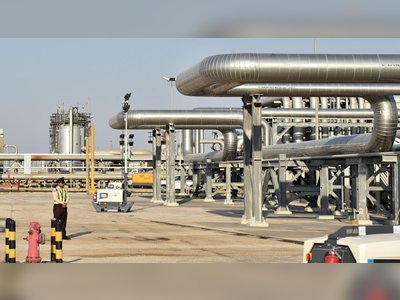
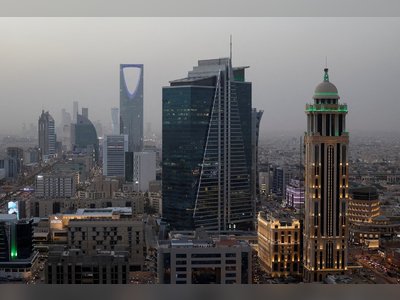
Saudi Arabia continues to play a central role in shaping regional outcomes, with its leadership maintaining a focus on stability, energy security, and coordinated responses to emerging challenges.
The country’s position within the Gulf Cooperation Council places it at the heart of efforts to align policy among member states.
The discussion also highlights the pressures facing regional leaders as they navigate a rapidly evolving landscape marked by conflict, shifting alliances, and economic considerations.
Balancing national priorities with collective interests remains a key challenge.
Despite the critical tone of the opinion, the broader context reflects the importance of Saudi Arabia’s role in maintaining regional equilibrium.
Its strategic decisions carry significant weight in determining both immediate responses and longer-term trajectories.
Observers note that such debates are part of an ongoing reassessment of policy approaches, as governments seek to adapt to changing conditions while safeguarding core interests.
The exchange underscores how regional leadership decisions are increasingly subject to public and analytical scrutiny, reflecting the high stakes involved in managing security and economic stability across the Gulf.
The commentary raises pointed questions about how recent developments have been approached, reflecting a wider debate about policy direction at a time of heightened geopolitical complexity.
It suggests that decisions taken in response to regional tensions are being closely scrutinised both within the Gulf and internationally.
Saudi Arabia continues to play a central role in shaping regional outcomes, with its leadership maintaining a focus on stability, energy security, and coordinated responses to emerging challenges.
The country’s position within the Gulf Cooperation Council places it at the heart of efforts to align policy among member states.
The discussion also highlights the pressures facing regional leaders as they navigate a rapidly evolving landscape marked by conflict, shifting alliances, and economic considerations.
Balancing national priorities with collective interests remains a key challenge.
Despite the critical tone of the opinion, the broader context reflects the importance of Saudi Arabia’s role in maintaining regional equilibrium.
Its strategic decisions carry significant weight in determining both immediate responses and longer-term trajectories.
Observers note that such debates are part of an ongoing reassessment of policy approaches, as governments seek to adapt to changing conditions while safeguarding core interests.
The exchange underscores how regional leadership decisions are increasingly subject to public and analytical scrutiny, reflecting the high stakes involved in managing security and economic stability across the Gulf.