0:00
0:00
Iran Targets Saudi Arabia’s East-West Oil Pipeline in Escalating Regional Tensions
Attack on key energy infrastructure heightens concerns over supply security and regional stability
An attack attributed to Iran on Saudi Arabia’s East-West oil pipeline has intensified tensions in the region, raising fresh concerns over the security of critical energy infrastructure and global supply stability.
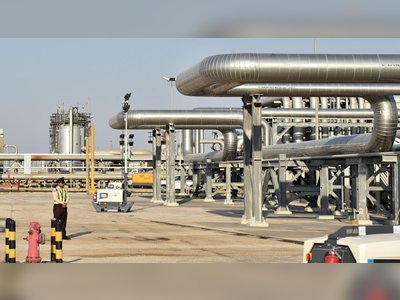
The pipeline, a vital artery for transporting crude oil across Saudi Arabia to Red Sea export terminals, plays a key role in ensuring the uninterrupted flow of energy supplies.
Any disruption to its operations carries significant implications for global markets and regional economic activity.
The incident comes amid a broader period of heightened geopolitical strain, with energy infrastructure increasingly seen as a focal point in strategic confrontations.
The attack underscores the vulnerability of key assets that underpin global oil distribution networks.
Saudi authorities are assessing the extent of the impact, with efforts underway to secure the facility and maintain operational continuity.
Initial responses have focused on mitigating disruption and reinforcing protective measures around critical infrastructure.
The development has drawn international attention, with stakeholders monitoring potential effects on oil prices and supply chains.
Markets are particularly sensitive to events that threaten major transit routes or production facilities, given their influence on global energy availability.
The attack also highlights the strategic importance of alternative routes such as the East-West pipeline, which allows Saudi Arabia to bypass chokepoints like the Strait of Hormuz.
Disruptions to such alternatives could increase pressure on already sensitive maritime corridors.
As the situation unfolds, attention remains on efforts to stabilise the region and prevent further escalation, with energy security continuing to be a central concern for governments and markets alike.
The pipeline, a vital artery for transporting crude oil across Saudi Arabia to Red Sea export terminals, plays a key role in ensuring the uninterrupted flow of energy supplies.
Any disruption to its operations carries significant implications for global markets and regional economic activity.
The incident comes amid a broader period of heightened geopolitical strain, with energy infrastructure increasingly seen as a focal point in strategic confrontations.
The attack underscores the vulnerability of key assets that underpin global oil distribution networks.
Saudi authorities are assessing the extent of the impact, with efforts underway to secure the facility and maintain operational continuity.
Initial responses have focused on mitigating disruption and reinforcing protective measures around critical infrastructure.
The development has drawn international attention, with stakeholders monitoring potential effects on oil prices and supply chains.
Markets are particularly sensitive to events that threaten major transit routes or production facilities, given their influence on global energy availability.
The attack also highlights the strategic importance of alternative routes such as the East-West pipeline, which allows Saudi Arabia to bypass chokepoints like the Strait of Hormuz.
Disruptions to such alternatives could increase pressure on already sensitive maritime corridors.
As the situation unfolds, attention remains on efforts to stabilise the region and prevent further escalation, with energy security continuing to be a central concern for governments and markets alike.