0:00
0:00
Emerging Alliance of Pakistan, Turkey, Egypt and Saudi Arabia Signals New Regional Power Dynamic Amid Iran Conflict
Coordinated positioning among key states reflects shifting geopolitical balance during escalating tensions
Pakistan, Turkey, Egypt and Saudi Arabia are increasingly being viewed as a coordinated regional bloc as tensions surrounding the Iran conflict reshape geopolitical alignments across the Middle East and beyond.
The four countries have demonstrated growing convergence in diplomatic positioning and strategic priorities, with efforts focused on stabilising the region while safeguarding their respective national interests.
This emerging alignment reflects a broader recalibration of power dynamics as governments respond to evolving security challenges.
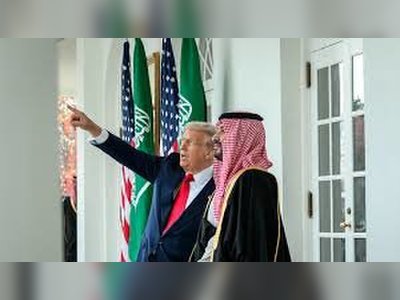
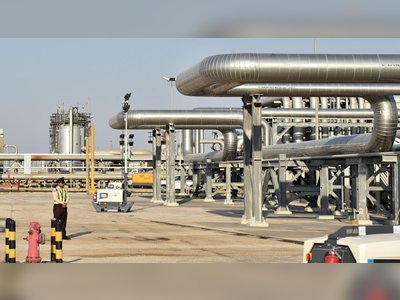
Saudi Arabia, as a central energy and political actor in the region, has played a key role in shaping the group’s approach, particularly in maintaining stability in global oil markets and reinforcing regional coordination.
Its leadership has underscored the importance of collective responses to emerging threats.
Turkey and Egypt bring significant military and diplomatic capabilities to the grouping, while Pakistan contributes strategic depth and regional influence, particularly in South Asia.
Together, the countries represent a diverse yet complementary set of strengths that enhance their collective positioning.
The formation of this informal bloc highlights a shift toward greater cooperation among like-minded states seeking to manage the risks associated with the Iran conflict.
The alignment is seen as both a response to immediate tensions and a longer-term effort to strengthen regional resilience.
Observers note that the group’s coordination could influence diplomatic initiatives, security arrangements, and economic cooperation, particularly as the conflict continues to evolve.
The emphasis remains on maintaining stability, preventing escalation, and ensuring the continuity of critical infrastructure and trade routes.
The development reflects a broader trend of regional actors taking a more active role in shaping outcomes, signalling a potential redefinition of influence in a rapidly changing geopolitical landscape.
The four countries have demonstrated growing convergence in diplomatic positioning and strategic priorities, with efforts focused on stabilising the region while safeguarding their respective national interests.
This emerging alignment reflects a broader recalibration of power dynamics as governments respond to evolving security challenges.
Saudi Arabia, as a central energy and political actor in the region, has played a key role in shaping the group’s approach, particularly in maintaining stability in global oil markets and reinforcing regional coordination.
Its leadership has underscored the importance of collective responses to emerging threats.
Turkey and Egypt bring significant military and diplomatic capabilities to the grouping, while Pakistan contributes strategic depth and regional influence, particularly in South Asia.
Together, the countries represent a diverse yet complementary set of strengths that enhance their collective positioning.
The formation of this informal bloc highlights a shift toward greater cooperation among like-minded states seeking to manage the risks associated with the Iran conflict.
The alignment is seen as both a response to immediate tensions and a longer-term effort to strengthen regional resilience.
Observers note that the group’s coordination could influence diplomatic initiatives, security arrangements, and economic cooperation, particularly as the conflict continues to evolve.
The emphasis remains on maintaining stability, preventing escalation, and ensuring the continuity of critical infrastructure and trade routes.
The development reflects a broader trend of regional actors taking a more active role in shaping outcomes, signalling a potential redefinition of influence in a rapidly changing geopolitical landscape.