0:00
0:00
Saudi Arabia Voices Concern Over Fragile US–Iran Ceasefire Stability
Officials warn that early-stage agreement remains vulnerable despite easing regional tensions
Saudi Arabia has expressed concern over the durability of the recently announced ceasefire between the United States and Iran, describing the agreement as fragile despite initial signs of de-escalation.
Officials have indicated that while the ceasefire represents a welcome step toward reducing tensions, it remains in a delicate early phase where risks of disruption persist.
The region continues to face underlying challenges that could test the agreement’s resilience.
The warning reflects broader unease among regional stakeholders about the sustainability of the ceasefire, particularly given the complexity of the geopolitical environment and the history of intermittent tensions.
Ensuring compliance and preventing incidents that could undermine the agreement are seen as critical priorities.
Saudi Arabia’s position underscores the importance of continued diplomatic engagement and coordination among international partners to reinforce stability.
Authorities are closely monitoring developments, with attention focused on whether early progress can be translated into longer-term security.
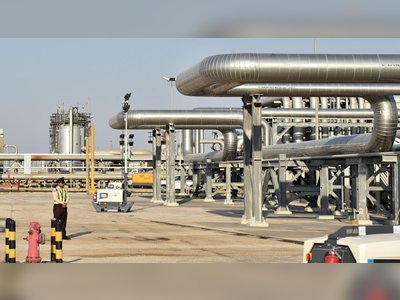
The concerns also highlight the strategic significance of the region for global energy markets, where stability is essential to maintaining reliable supply and avoiding volatility.
Any renewed escalation could quickly affect both regional security and international economic conditions.
Observers note that the initial period following a ceasefire is often the most vulnerable, requiring sustained effort to build confidence and address unresolved issues.
The current situation is viewed as a test of whether diplomatic momentum can be maintained.
Saudi Arabia’s cautious stance reflects a broader recognition that while the ceasefire offers an opportunity for stability, its success will depend on continued commitment and effective management of risks.
Officials have indicated that while the ceasefire represents a welcome step toward reducing tensions, it remains in a delicate early phase where risks of disruption persist.
The region continues to face underlying challenges that could test the agreement’s resilience.
The warning reflects broader unease among regional stakeholders about the sustainability of the ceasefire, particularly given the complexity of the geopolitical environment and the history of intermittent tensions.
Ensuring compliance and preventing incidents that could undermine the agreement are seen as critical priorities.
Saudi Arabia’s position underscores the importance of continued diplomatic engagement and coordination among international partners to reinforce stability.
Authorities are closely monitoring developments, with attention focused on whether early progress can be translated into longer-term security.
The concerns also highlight the strategic significance of the region for global energy markets, where stability is essential to maintaining reliable supply and avoiding volatility.
Any renewed escalation could quickly affect both regional security and international economic conditions.
Observers note that the initial period following a ceasefire is often the most vulnerable, requiring sustained effort to build confidence and address unresolved issues.
The current situation is viewed as a test of whether diplomatic momentum can be maintained.
Saudi Arabia’s cautious stance reflects a broader recognition that while the ceasefire offers an opportunity for stability, its success will depend on continued commitment and effective management of risks.