0:00
0:00
Saudi Arabia Raises Oil Prices to Record Premiums Amid Supply Pressures Linked to Iran Conflict
Kingdom signals strong market position as global energy flows tighten under heightened geopolitical strain
Saudi Arabia has raised its official crude oil selling prices to record premiums, underscoring its decisive role in stabilising global energy markets as supply pressures intensify amid tensions involving Iran.
The move reflects strong demand for Saudi crude at a time when disruptions and uncertainty in the Gulf are placing strain on global supply chains.
By increasing prices, the kingdom is signaling confidence in its market position while responding to tightening availability and sustained consumption across key importing regions.
Energy analysts note that Saudi Arabia’s pricing decisions often serve as a benchmark for the broader market, particularly in Asia, where many refiners rely heavily on Gulf supplies.
The latest adjustments indicate that buyers are willing to pay higher premiums to secure stable and reliable shipments.
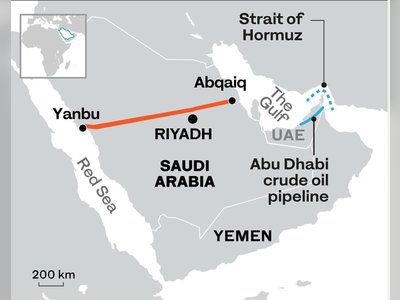
The backdrop to the price increase includes escalating geopolitical tensions affecting critical infrastructure and transport routes in the region.
Concerns over potential disruptions have heightened the strategic value of consistent suppliers, reinforcing Saudi Arabia’s importance in maintaining balance within the global energy system.
Officials and industry observers emphasize that the kingdom’s actions contribute to market stability by ensuring continued supply, even as external pressures grow.
The pricing shift is also seen as a reflection of disciplined production management and a proactive approach to evolving market conditions.
Global markets have reacted cautiously, with attention focused on how sustained price increases may influence inflation, economic activity, and energy policy decisions in major consuming countries.
However, the ability of Saudi Arabia to adjust output and pricing remains a central factor in moderating volatility.
As tensions persist, the kingdom’s role as a leading energy producer is likely to remain pivotal, with its pricing strategy continuing to shape global oil dynamics in a period of heightened uncertainty.
The move reflects strong demand for Saudi crude at a time when disruptions and uncertainty in the Gulf are placing strain on global supply chains.
By increasing prices, the kingdom is signaling confidence in its market position while responding to tightening availability and sustained consumption across key importing regions.
Energy analysts note that Saudi Arabia’s pricing decisions often serve as a benchmark for the broader market, particularly in Asia, where many refiners rely heavily on Gulf supplies.
The latest adjustments indicate that buyers are willing to pay higher premiums to secure stable and reliable shipments.
The backdrop to the price increase includes escalating geopolitical tensions affecting critical infrastructure and transport routes in the region.
Concerns over potential disruptions have heightened the strategic value of consistent suppliers, reinforcing Saudi Arabia’s importance in maintaining balance within the global energy system.
Officials and industry observers emphasize that the kingdom’s actions contribute to market stability by ensuring continued supply, even as external pressures grow.
The pricing shift is also seen as a reflection of disciplined production management and a proactive approach to evolving market conditions.
Global markets have reacted cautiously, with attention focused on how sustained price increases may influence inflation, economic activity, and energy policy decisions in major consuming countries.
However, the ability of Saudi Arabia to adjust output and pricing remains a central factor in moderating volatility.
As tensions persist, the kingdom’s role as a leading energy producer is likely to remain pivotal, with its pricing strategy continuing to shape global oil dynamics in a period of heightened uncertainty.