0:00
0:00
Saudi Oil Output Capacity Reduced by 600,000 Barrels Per Day Amid Regional Conflict
Energy sector impact underscores global supply risks as tensions disrupt key production infrastructure
Saudi Arabia’s oil output capacity has been reduced by approximately 600,000 barrels per day as a result of ongoing regional conflict, highlighting the vulnerability of global energy supplies to geopolitical instability.
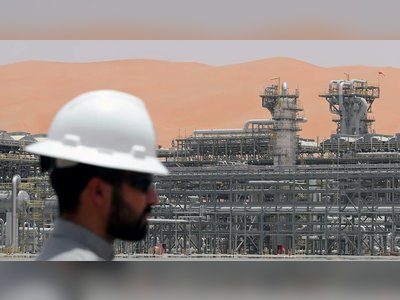
The reduction reflects disruptions affecting key production and processing facilities, with authorities implementing measures to manage operational risks and protect critical infrastructure.
While the country remains a leading oil producer, the cut represents a significant adjustment in available supply.
Energy markets have responded with heightened sensitivity, as even moderate shifts in Saudi output can influence global pricing and supply dynamics.
The development has reinforced concerns about the broader impact of regional tensions on energy security.
Officials have indicated that efforts are underway to stabilize operations and mitigate the effects of the disruption.
The situation remains fluid, with ongoing assessments guiding decisions on production levels and infrastructure protection.
The reduction in capacity underscores the strategic importance of Saudi Arabia within global energy markets, where its production levels play a key role in balancing supply and demand.
Any sustained disruption could have wider implications for economies reliant on stable energy flows.
Analysts note that the situation highlights the interconnected nature of energy systems, where regional events can quickly translate into global consequences.
The current disruption is being closely monitored as stakeholders evaluate potential long-term impacts.
As developments continue, attention remains focused on the pace of recovery and the ability of producers to maintain supply stability amid ongoing uncertainty in the region.
The reduction reflects disruptions affecting key production and processing facilities, with authorities implementing measures to manage operational risks and protect critical infrastructure.
While the country remains a leading oil producer, the cut represents a significant adjustment in available supply.
Energy markets have responded with heightened sensitivity, as even moderate shifts in Saudi output can influence global pricing and supply dynamics.
The development has reinforced concerns about the broader impact of regional tensions on energy security.
Officials have indicated that efforts are underway to stabilize operations and mitigate the effects of the disruption.
The situation remains fluid, with ongoing assessments guiding decisions on production levels and infrastructure protection.
The reduction in capacity underscores the strategic importance of Saudi Arabia within global energy markets, where its production levels play a key role in balancing supply and demand.
Any sustained disruption could have wider implications for economies reliant on stable energy flows.
Analysts note that the situation highlights the interconnected nature of energy systems, where regional events can quickly translate into global consequences.
The current disruption is being closely monitored as stakeholders evaluate potential long-term impacts.
As developments continue, attention remains focused on the pace of recovery and the ability of producers to maintain supply stability amid ongoing uncertainty in the region.