Gulf States Reopen Military Access as U.S. Push to Secure Hormuz Shipping Gains New Momentum
Saudi Arabia and Kuwait lift restrictions on U.S. bases and airspace amid escalating tensions over maritime security in the Strait of Hormuz and the stalled “Project Freedom” operation
SYSTEM-DRIVEN: The story is fundamentally shaped by the evolving security architecture of the Strait of Hormuz, one of the world’s most critical energy chokepoints, where military access, regional alliances, and shipping protections are being rapidly recalibrated under pressure from escalating Iran–U.S. tensions.
Saudi Arabia and Kuwait have lifted recent restrictions that had blocked or limited U.S. military access to their bases and airspace, restoring a key logistical backbone for American operations in the Gulf.
What is confirmed is that these restrictions had constrained U.S. operational flexibility during a short-lived maritime security initiative known as “Project Freedom,” designed to help secure commercial shipping through the Strait of Hormuz.
The reversal comes at a sensitive moment.
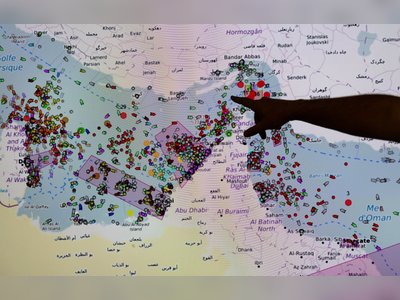
The Strait of Hormuz, through which roughly one-fifth of global oil trade passes, has been under severe disruption amid heightened military confrontation between Iran and U.S.-aligned forces.
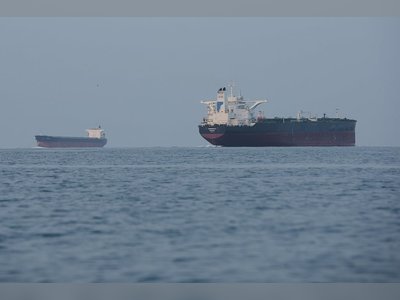
Shipping flows have been heavily reduced, and vessels have faced risks from missile threats, drones, and naval harassment in contested waters.
“Project Freedom” was launched as a U.S.-led effort to stabilize transit through the strait by coordinating naval presence and limited escort-style protection for commercial vessels.
The operation was short-lived and politically sensitive from the outset.
It depended on regional cooperation for basing, air cover, and logistics—support that was temporarily withdrawn by key Gulf partners amid concerns about escalation and unclear rules of engagement.
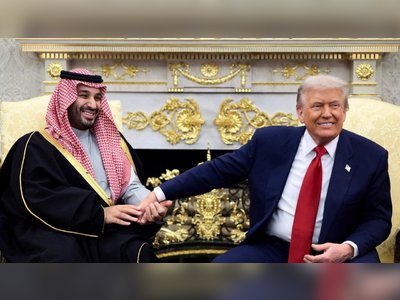
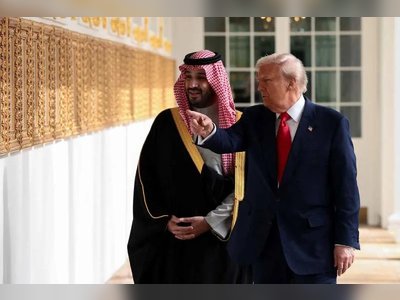
The lifting of restrictions signals renewed alignment between Washington and two of its most important Gulf partners.
It restores access to critical infrastructure used for air operations, surveillance flights, refueling, and rapid naval coordination.
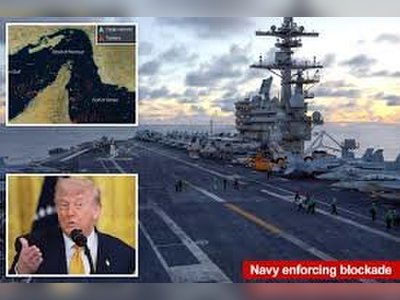
In practical terms, it reopens the possibility that U.S. planners could reconstitute maritime security operations in the region at scale, including a return to convoy-style or corridor-based shipping protection.
The underlying driver of the reversal is strategic pressure rather than diplomatic resolution.
Gulf states face direct exposure to disruption in global energy markets and potential retaliation risks if the Strait of Hormuz remains unstable.
Their cooperation reflects a calculation that partial re-engagement with U.S. military planning reduces short-term risk compared with continued fragmentation of security coordination.
At the same time, the situation remains structurally volatile.
Iran has treated external military involvement in the strait as a direct challenge to its leverage over regional shipping lanes.
Any expansion of U.S. operational presence increases the likelihood of renewed confrontation, especially if escort operations resume in contested waters.
The United States, for its part, is balancing competing pressures: maintaining freedom of navigation for global energy flows while avoiding escalation into a broader naval conflict.
Access to Gulf bases is essential for both surveillance coverage and rapid response capability, particularly given the scale of drone and missile threats reported in recent months.
What is now emerging is a fragile reactivation of the logistical conditions required for sustained maritime protection operations, rather than a resolution of the underlying crisis.
The lifting of restrictions does not end the strategic confrontation over the Strait of Hormuz; it restores the infrastructure needed for it to continue at higher intensity.
The next phase will depend on whether restored access translates into renewed deployment of U.S. naval assets under a formalized shipping protection framework.
That decision will shape whether the strait stabilizes under guarded transit arrangements or remains a contested corridor where commercial shipping operates under persistent military risk.
Saudi Arabia and Kuwait have lifted recent restrictions that had blocked or limited U.S. military access to their bases and airspace, restoring a key logistical backbone for American operations in the Gulf.
What is confirmed is that these restrictions had constrained U.S. operational flexibility during a short-lived maritime security initiative known as “Project Freedom,” designed to help secure commercial shipping through the Strait of Hormuz.
The reversal comes at a sensitive moment.
The Strait of Hormuz, through which roughly one-fifth of global oil trade passes, has been under severe disruption amid heightened military confrontation between Iran and U.S.-aligned forces.
Shipping flows have been heavily reduced, and vessels have faced risks from missile threats, drones, and naval harassment in contested waters.
“Project Freedom” was launched as a U.S.-led effort to stabilize transit through the strait by coordinating naval presence and limited escort-style protection for commercial vessels.
The operation was short-lived and politically sensitive from the outset.
It depended on regional cooperation for basing, air cover, and logistics—support that was temporarily withdrawn by key Gulf partners amid concerns about escalation and unclear rules of engagement.
The lifting of restrictions signals renewed alignment between Washington and two of its most important Gulf partners.
It restores access to critical infrastructure used for air operations, surveillance flights, refueling, and rapid naval coordination.
In practical terms, it reopens the possibility that U.S. planners could reconstitute maritime security operations in the region at scale, including a return to convoy-style or corridor-based shipping protection.
The underlying driver of the reversal is strategic pressure rather than diplomatic resolution.
Gulf states face direct exposure to disruption in global energy markets and potential retaliation risks if the Strait of Hormuz remains unstable.
Their cooperation reflects a calculation that partial re-engagement with U.S. military planning reduces short-term risk compared with continued fragmentation of security coordination.
At the same time, the situation remains structurally volatile.
Iran has treated external military involvement in the strait as a direct challenge to its leverage over regional shipping lanes.
Any expansion of U.S. operational presence increases the likelihood of renewed confrontation, especially if escort operations resume in contested waters.
The United States, for its part, is balancing competing pressures: maintaining freedom of navigation for global energy flows while avoiding escalation into a broader naval conflict.
Access to Gulf bases is essential for both surveillance coverage and rapid response capability, particularly given the scale of drone and missile threats reported in recent months.
What is now emerging is a fragile reactivation of the logistical conditions required for sustained maritime protection operations, rather than a resolution of the underlying crisis.
The lifting of restrictions does not end the strategic confrontation over the Strait of Hormuz; it restores the infrastructure needed for it to continue at higher intensity.
The next phase will depend on whether restored access translates into renewed deployment of U.S. naval assets under a formalized shipping protection framework.
That decision will shape whether the strait stabilizes under guarded transit arrangements or remains a contested corridor where commercial shipping operates under persistent military risk.