Saudi Pressure Halts U.S. Strait of Hormuz Escort Plan, Exposing Gulf Rift Over Iran Strategy
Reported Saudi objections to operational access helped derail a U.S. naval escort initiative aimed at protecting shipping through the Strait of Hormuz, highlighting fractures in Gulf–U.S. coordination amid rising regional tensions
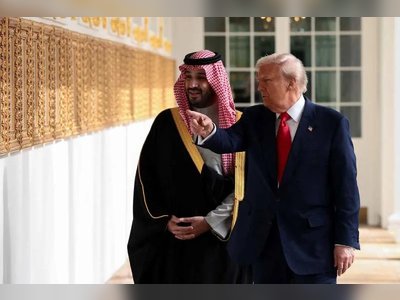
A U.S. security initiative intended to safeguard commercial shipping through the Strait of Hormuz has been halted after reported resistance from Saudi Arabia over the operational use of its military infrastructure, underscoring the limits of regional cooperation in managing maritime security near Iran.
The central driver of this story is SYSTEM-DRIVEN: the dependence of U.S. military operations on host-nation access across Gulf airspace, ports, and bases, and the political constraints that shape collective security planning in a strategically critical waterway.
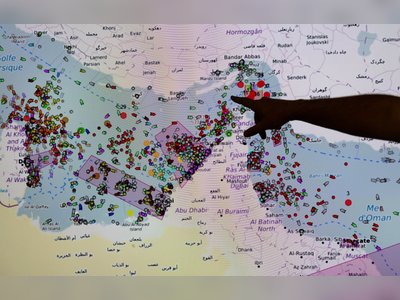
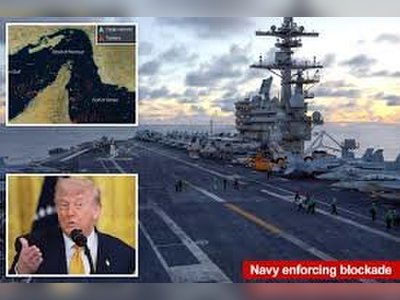
The Strait of Hormuz is one of the world’s most important energy corridors, linking the Persian Gulf with global shipping routes.
Roughly one-fifth of global oil consumption passes through it, making it a persistent focal point of military planning, deterrence strategy, and geopolitical bargaining between the United States, Gulf Arab states, and Iran.
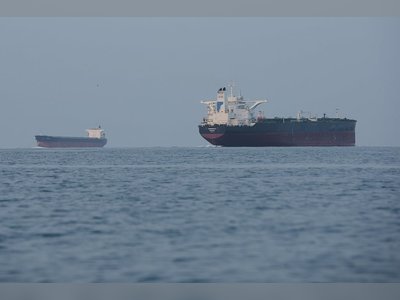
The U.S. initiative, referred to in reporting as a maritime escort or protection concept, was designed to reduce risk to commercial vessels amid heightened regional tensions and periodic incidents involving ship seizures, drone activity, and naval harassment in and around the Strait.
The plan depended on coordinated use of regional airspace and bases to extend surveillance, escort coverage, and rapid response capabilities.
What is confirmed is that the operation did not move forward after key Gulf partners declined to provide the necessary operational access.
Saudi Arabia’s position, alongside similar constraints reported from other regional actors, significantly reduced the feasibility of maintaining the required air and logistics network.
Without that infrastructure, the escort framework could not be implemented at scale.
The reported Saudi objection is tied to concerns over escalation risk with Iran.
Direct association with a U.S.-led maritime protection mission could be interpreted as increased alignment in potential military confrontation scenarios, raising the possibility of retaliatory pressure on Gulf infrastructure or energy assets.
Kuwait and other Gulf states have also been referenced in relation to limitations on operational access, further narrowing available staging options.
This created a cumulative logistical constraint that affected the viability of sustained patrol coordination and aerial coverage in the region.
The U.S. response has been to pause the initiative rather than abandon maritime security efforts entirely.
Naval assets remain deployed in the wider region under existing frameworks, but the specific escort model requiring expanded Gulf cooperation has been placed on hold pending further diplomatic engagement.
The development highlights a structural tension in Gulf security architecture.
While Gulf states rely heavily on U.S. military protection, they increasingly seek to avoid actions that could directly implicate them in an escalation with Iran.
This produces a strategic gap between deterrence expectations and operational willingness.
Iran’s position adds another layer of constraint.
Tehran has consistently treated expanded foreign military presence in the Strait of Hormuz as a potential escalation trigger and has demonstrated capability to disrupt maritime traffic through seizures, surveillance pressure, and asymmetric naval activity.
This elevates the sensitivity of any coordinated escort operation.
The economic stakes are significant.
Even limited disruption or heightened risk perception in the Strait of Hormuz can increase global shipping insurance premiums, affect crude oil pricing, and introduce volatility into energy markets dependent on Gulf exports.
As a result, security decisions in the Strait have immediate global economic consequences.
The suspension of the escort initiative does not remove U.S. military presence from the region, but it does signal a limitation in coalition-based operational planning at a time of heightened geopolitical strain.
It also reflects the growing complexity of aligning U.S. strategic objectives with the risk thresholds of regional partners.
The outcome is a recalibration of maritime security policy in the Gulf: the U.S. retains the capacity for intervention and deterrence, but the implementation of coordinated escort operations now depends on renewed political alignment with host states, without which the Strait of Hormuz remains governed by fragmented security arrangements and elevated strategic uncertainty.
The central driver of this story is SYSTEM-DRIVEN: the dependence of U.S. military operations on host-nation access across Gulf airspace, ports, and bases, and the political constraints that shape collective security planning in a strategically critical waterway.
The Strait of Hormuz is one of the world’s most important energy corridors, linking the Persian Gulf with global shipping routes.
Roughly one-fifth of global oil consumption passes through it, making it a persistent focal point of military planning, deterrence strategy, and geopolitical bargaining between the United States, Gulf Arab states, and Iran.
The U.S. initiative, referred to in reporting as a maritime escort or protection concept, was designed to reduce risk to commercial vessels amid heightened regional tensions and periodic incidents involving ship seizures, drone activity, and naval harassment in and around the Strait.
The plan depended on coordinated use of regional airspace and bases to extend surveillance, escort coverage, and rapid response capabilities.
What is confirmed is that the operation did not move forward after key Gulf partners declined to provide the necessary operational access.
Saudi Arabia’s position, alongside similar constraints reported from other regional actors, significantly reduced the feasibility of maintaining the required air and logistics network.
Without that infrastructure, the escort framework could not be implemented at scale.
The reported Saudi objection is tied to concerns over escalation risk with Iran.
Direct association with a U.S.-led maritime protection mission could be interpreted as increased alignment in potential military confrontation scenarios, raising the possibility of retaliatory pressure on Gulf infrastructure or energy assets.
Kuwait and other Gulf states have also been referenced in relation to limitations on operational access, further narrowing available staging options.
This created a cumulative logistical constraint that affected the viability of sustained patrol coordination and aerial coverage in the region.
The U.S. response has been to pause the initiative rather than abandon maritime security efforts entirely.
Naval assets remain deployed in the wider region under existing frameworks, but the specific escort model requiring expanded Gulf cooperation has been placed on hold pending further diplomatic engagement.
The development highlights a structural tension in Gulf security architecture.
While Gulf states rely heavily on U.S. military protection, they increasingly seek to avoid actions that could directly implicate them in an escalation with Iran.
This produces a strategic gap between deterrence expectations and operational willingness.
Iran’s position adds another layer of constraint.
Tehran has consistently treated expanded foreign military presence in the Strait of Hormuz as a potential escalation trigger and has demonstrated capability to disrupt maritime traffic through seizures, surveillance pressure, and asymmetric naval activity.
This elevates the sensitivity of any coordinated escort operation.
The economic stakes are significant.
Even limited disruption or heightened risk perception in the Strait of Hormuz can increase global shipping insurance premiums, affect crude oil pricing, and introduce volatility into energy markets dependent on Gulf exports.
As a result, security decisions in the Strait have immediate global economic consequences.
The suspension of the escort initiative does not remove U.S. military presence from the region, but it does signal a limitation in coalition-based operational planning at a time of heightened geopolitical strain.
It also reflects the growing complexity of aligning U.S. strategic objectives with the risk thresholds of regional partners.
The outcome is a recalibration of maritime security policy in the Gulf: the U.S. retains the capacity for intervention and deterrence, but the implementation of coordinated escort operations now depends on renewed political alignment with host states, without which the Strait of Hormuz remains governed by fragmented security arrangements and elevated strategic uncertainty.