
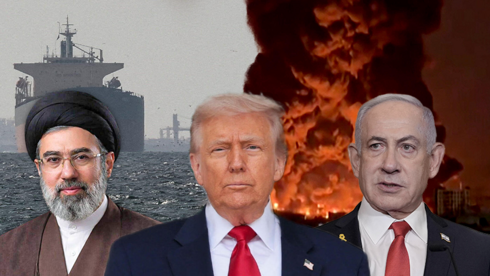
Israel Raises Alarm Over Saudi Shift as Gulf Diplomacy Raises Stakes for Iran Funding
Growing friction between Israel and Saudi Arabia reflects deeper uncertainty over regional realignment, U.S. diplomacy, and whether easing tensions could indirectly strengthen Iran’s financial position
The emerging strain between Israel and Saudi Arabia is driven primarily by SYSTEM-DRIVEN dynamics: shifting regional diplomacy, U.S.-mediated normalization efforts, and the strategic recalibration of Gulf states seeking to balance security cooperation with economic and political flexibility.
At the center of the dispute is concern in Israel that evolving Saudi–U.S. negotiations could produce arrangements that reduce pressure on Iran, potentially allowing it greater access to financial resources.
The reported Israeli concern is not about a single agreement but about the structure of broader diplomatic bargaining in the Middle East.
Saudi Arabia, as part of its long-term strategic diversification under its national transformation agenda, has pursued a more multi-vector foreign policy, engaging simultaneously with Western partners, China, and regional rivals.
This approach has included a thaw in relations with Iran after years of open hostility.
What is confirmed is that Saudi Arabia and Iran restored formal diplomatic relations in 2023 through a China-mediated agreement, reopening embassies and committing to de-escalation mechanisms.
That agreement marked a significant shift away from years of direct rivalry in proxy conflicts across Yemen, Syria, and Iraq.
Israel’s concern, as reflected in political and strategic commentary, centers on the possibility that future U.S.-brokered arrangements with Saudi Arabia could include concessions that ease economic or political pressure on Iran without securing equivalent constraints on its regional military activity.
The fear is that financial relief or indirect investment flows could strengthen Iran’s capacity to support allied militias and expand influence networks.
Saudi Arabia’s strategic priority, however, is not limited to Iran containment.
Riyadh is pursuing economic transformation under its long-term diversification program, which requires stable regional conditions to attract investment, expand infrastructure projects, and reduce dependence on oil revenues.
This creates incentives for de-escalation even with long-standing adversaries.
The United States remains a central actor in this equation, as any broader regional realignment involving normalization between Israel and Saudi Arabia would likely depend on U.S. security guarantees, defense cooperation, and economic arrangements.
Negotiations around such a framework have been complicated by the ongoing conflict dynamics in Gaza and wider regional instability.
The Israeli position reflects a broader strategic calculation: that normalization between Arab states and Israel should not come at the cost of weakening containment mechanisms on Iran.
Israeli policymakers view Iran’s regional network of allied groups as a primary security threat, and any financial easing is seen through that lens.
Saudi Arabia, by contrast, has demonstrated a willingness to compartmentalize its regional relationships, engaging in de-escalation with Iran while maintaining strategic ambiguity on other security issues.
This dual-track approach is intended to reduce immediate regional risk while preserving flexibility in long-term alliances.
The dispute therefore reflects not a single negotiation breakdown but a structural divergence in strategic priorities among key regional powers.
Israel prioritizes containment of Iran’s military influence, while Saudi Arabia prioritizes economic transformation and regional stabilization, even if that requires limited accommodation with Tehran.
The economic dimension is central.
Iran’s access to international finance has been constrained by sanctions, but any loosening of regional enforcement or expanded diplomatic normalization could affect how strictly those restrictions are applied in practice.
This is the core of Israeli concern over potential indirect financial strengthening of Iran.
Despite tensions, there is no confirmed collapse in Saudi–Israeli normalization efforts.
Instead, the process has slowed and become more conditional, heavily influenced by security developments, U.S. political positioning, and the evolving balance between confrontation and de-escalation in the region.
The result is a fragile diplomatic triangle in which Saudi Arabia’s strategic recalibration, Israel’s security concerns, and U.S. mediation efforts intersect without a stable consensus.
The outcome will shape not only bilateral relations but the broader architecture of Middle Eastern security and economic integration in the years ahead.
At the center of the dispute is concern in Israel that evolving Saudi–U.S. negotiations could produce arrangements that reduce pressure on Iran, potentially allowing it greater access to financial resources.
The reported Israeli concern is not about a single agreement but about the structure of broader diplomatic bargaining in the Middle East.
Saudi Arabia, as part of its long-term strategic diversification under its national transformation agenda, has pursued a more multi-vector foreign policy, engaging simultaneously with Western partners, China, and regional rivals.
This approach has included a thaw in relations with Iran after years of open hostility.
What is confirmed is that Saudi Arabia and Iran restored formal diplomatic relations in 2023 through a China-mediated agreement, reopening embassies and committing to de-escalation mechanisms.
That agreement marked a significant shift away from years of direct rivalry in proxy conflicts across Yemen, Syria, and Iraq.
Israel’s concern, as reflected in political and strategic commentary, centers on the possibility that future U.S.-brokered arrangements with Saudi Arabia could include concessions that ease economic or political pressure on Iran without securing equivalent constraints on its regional military activity.
The fear is that financial relief or indirect investment flows could strengthen Iran’s capacity to support allied militias and expand influence networks.
Saudi Arabia’s strategic priority, however, is not limited to Iran containment.
Riyadh is pursuing economic transformation under its long-term diversification program, which requires stable regional conditions to attract investment, expand infrastructure projects, and reduce dependence on oil revenues.
This creates incentives for de-escalation even with long-standing adversaries.
The United States remains a central actor in this equation, as any broader regional realignment involving normalization between Israel and Saudi Arabia would likely depend on U.S. security guarantees, defense cooperation, and economic arrangements.
Negotiations around such a framework have been complicated by the ongoing conflict dynamics in Gaza and wider regional instability.
The Israeli position reflects a broader strategic calculation: that normalization between Arab states and Israel should not come at the cost of weakening containment mechanisms on Iran.
Israeli policymakers view Iran’s regional network of allied groups as a primary security threat, and any financial easing is seen through that lens.
Saudi Arabia, by contrast, has demonstrated a willingness to compartmentalize its regional relationships, engaging in de-escalation with Iran while maintaining strategic ambiguity on other security issues.
This dual-track approach is intended to reduce immediate regional risk while preserving flexibility in long-term alliances.
The dispute therefore reflects not a single negotiation breakdown but a structural divergence in strategic priorities among key regional powers.
Israel prioritizes containment of Iran’s military influence, while Saudi Arabia prioritizes economic transformation and regional stabilization, even if that requires limited accommodation with Tehran.
The economic dimension is central.
Iran’s access to international finance has been constrained by sanctions, but any loosening of regional enforcement or expanded diplomatic normalization could affect how strictly those restrictions are applied in practice.
This is the core of Israeli concern over potential indirect financial strengthening of Iran.
Despite tensions, there is no confirmed collapse in Saudi–Israeli normalization efforts.
Instead, the process has slowed and become more conditional, heavily influenced by security developments, U.S. political positioning, and the evolving balance between confrontation and de-escalation in the region.
The result is a fragile diplomatic triangle in which Saudi Arabia’s strategic recalibration, Israel’s security concerns, and U.S. mediation efforts intersect without a stable consensus.
The outcome will shape not only bilateral relations but the broader architecture of Middle Eastern security and economic integration in the years ahead.