0:00
0:00
United States Withdraws Diplomatic Staff from Saudi Arabia and Southeast Turkey as Regional Conflict Escalates
Washington orders non-essential personnel to depart amid missile threats, drone attacks and widening security risks across the Middle East.
The United States has begun withdrawing diplomatic staff from Saudi Arabia and parts of southeast Turkey as security concerns intensify amid the rapidly expanding conflict in the Middle East.
The US State Department ordered non-emergency government employees and family members to leave Saudi Arabia due to growing safety risks, while similar steps were taken at the US Consulate in Adana in southern Turkey.
Officials urged American citizens in the surrounding region to consider departing while commercial transport options remain available.
The decision follows a series of missile and drone attacks across the Gulf and nearby regions as the confrontation involving Iran, the United States and Israel continues to escalate.
Air defense systems in several countries have intercepted incoming projectiles, but the incidents have heightened concerns about the safety of diplomatic personnel and civilian infrastructure.
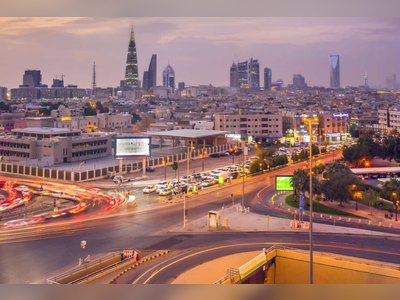
In Saudi Arabia, Iranian drone strikes reportedly targeted areas connected to US diplomatic facilities in Riyadh, prompting temporary closures and heightened security measures.
Although the attack caused structural damage to parts of the embassy complex, officials reported no injuries among staff.
The withdrawal order applies specifically to non-essential personnel and their families, allowing core diplomatic operations to continue while reducing the number of Americans exposed to potential security threats.
Officials noted that Washington’s ability to provide emergency services to citizens in the region may be limited as hostilities continue and air travel disruptions spread.
In Turkey, the advisory focused on the Adana consular district in the country’s southeast, an area located near the strategically important Incirlik air base used by NATO forces.
The US government encouraged Americans in the region to leave immediately, citing the possibility of further missile activity and broader instability linked to the conflict.
The staff reductions form part of a wider diplomatic drawdown across the Middle East, with Washington adjusting embassy operations and urging citizens in multiple countries to reassess travel plans or depart the region altogether.
The escalating crisis began after large-scale military strikes by the United States and Israel targeted Iranian military infrastructure, triggering retaliatory missile and drone attacks across the region.
The widening confrontation has disrupted air travel, threatened shipping routes and prompted governments worldwide to reassess the safety of their personnel and citizens in the Middle East.
The US State Department ordered non-emergency government employees and family members to leave Saudi Arabia due to growing safety risks, while similar steps were taken at the US Consulate in Adana in southern Turkey.
Officials urged American citizens in the surrounding region to consider departing while commercial transport options remain available.
The decision follows a series of missile and drone attacks across the Gulf and nearby regions as the confrontation involving Iran, the United States and Israel continues to escalate.
Air defense systems in several countries have intercepted incoming projectiles, but the incidents have heightened concerns about the safety of diplomatic personnel and civilian infrastructure.
In Saudi Arabia, Iranian drone strikes reportedly targeted areas connected to US diplomatic facilities in Riyadh, prompting temporary closures and heightened security measures.
Although the attack caused structural damage to parts of the embassy complex, officials reported no injuries among staff.
The withdrawal order applies specifically to non-essential personnel and their families, allowing core diplomatic operations to continue while reducing the number of Americans exposed to potential security threats.
Officials noted that Washington’s ability to provide emergency services to citizens in the region may be limited as hostilities continue and air travel disruptions spread.
In Turkey, the advisory focused on the Adana consular district in the country’s southeast, an area located near the strategically important Incirlik air base used by NATO forces.
The US government encouraged Americans in the region to leave immediately, citing the possibility of further missile activity and broader instability linked to the conflict.
The staff reductions form part of a wider diplomatic drawdown across the Middle East, with Washington adjusting embassy operations and urging citizens in multiple countries to reassess travel plans or depart the region altogether.
The escalating crisis began after large-scale military strikes by the United States and Israel targeted Iranian military infrastructure, triggering retaliatory missile and drone attacks across the region.
The widening confrontation has disrupted air travel, threatened shipping routes and prompted governments worldwide to reassess the safety of their personnel and citizens in the Middle East.