0:00
0:00
Saudi Arabia Seeks Strategic Support from Pakistan After Iranian Missile and Drone Attacks
High-level military talks in Riyadh highlight a growing Saudi–Pakistan security partnership as Iranian strikes intensify across the Gulf.
Saudi Arabia has turned to Pakistan for strategic consultations following a wave of Iranian missile and drone strikes targeting the kingdom and other Gulf states, prompting urgent discussions between senior defense leaders in Riyadh.
Pakistan’s Chief of Defence Forces and Army Chief, Field Marshal Asim Munir, traveled to Saudi Arabia for high-level meetings with Saudi Defense Minister Prince Khalid bin Salman to assess the rapidly evolving security situation and coordinate responses to the attacks.
The talks focused on the growing threat posed by Iranian missiles and drones and on measures that could help halt further strikes and protect regional stability.
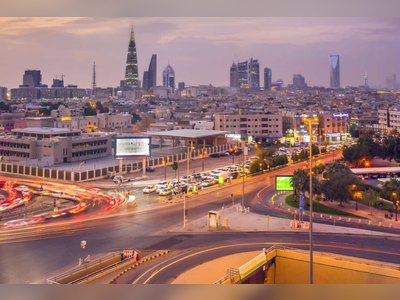
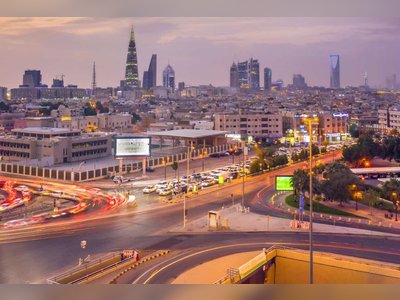
Saudi authorities have reported intercepting multiple drones and missiles aimed at targets across the country, including areas near Riyadh and strategic infrastructure in the eastern provinces.
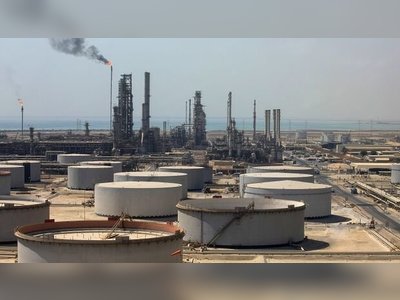
Some attacks have targeted energy facilities and diplomatic sites, while air defense systems have successfully destroyed several incoming projectiles before they could reach their intended targets.
The consultations between Riyadh and Islamabad took place within the framework of the Strategic Mutual Defence Agreement signed by the two countries in September 2025. The pact establishes a framework for collective security cooperation and states that aggression against one country can be treated as aggression against both, strengthening long-standing military ties between the two partners.
Saudi officials have condemned the strikes as destabilizing actions that threaten civilian infrastructure and regional security.
The kingdom has emphasized its commitment to defending its territory and safeguarding energy facilities that play a vital role in global markets.
Pakistan signaled strong solidarity with Saudi Arabia during the discussions, while also expressing hope that diplomatic channels can still help prevent further escalation.
Officials from both sides stressed the importance of prudence and called for efforts to prevent miscalculation during the unfolding regional crisis.
The wider confrontation erupted after large-scale military strikes by the United States and Israel on Iranian targets triggered a cycle of retaliation across the Middle East.
Since then, Iranian missiles and drones have been launched toward multiple countries in the Gulf, forcing governments to strengthen air defenses and reassess security arrangements.
As the conflict spreads across the region, Saudi Arabia’s outreach to Pakistan underscores the growing importance of strategic partnerships in responding to cross-border missile and drone threats and maintaining stability across one of the world’s most sensitive geopolitical regions.
Pakistan’s Chief of Defence Forces and Army Chief, Field Marshal Asim Munir, traveled to Saudi Arabia for high-level meetings with Saudi Defense Minister Prince Khalid bin Salman to assess the rapidly evolving security situation and coordinate responses to the attacks.
The talks focused on the growing threat posed by Iranian missiles and drones and on measures that could help halt further strikes and protect regional stability.
Saudi authorities have reported intercepting multiple drones and missiles aimed at targets across the country, including areas near Riyadh and strategic infrastructure in the eastern provinces.
Some attacks have targeted energy facilities and diplomatic sites, while air defense systems have successfully destroyed several incoming projectiles before they could reach their intended targets.
The consultations between Riyadh and Islamabad took place within the framework of the Strategic Mutual Defence Agreement signed by the two countries in September 2025. The pact establishes a framework for collective security cooperation and states that aggression against one country can be treated as aggression against both, strengthening long-standing military ties between the two partners.
Saudi officials have condemned the strikes as destabilizing actions that threaten civilian infrastructure and regional security.
The kingdom has emphasized its commitment to defending its territory and safeguarding energy facilities that play a vital role in global markets.
Pakistan signaled strong solidarity with Saudi Arabia during the discussions, while also expressing hope that diplomatic channels can still help prevent further escalation.
Officials from both sides stressed the importance of prudence and called for efforts to prevent miscalculation during the unfolding regional crisis.
The wider confrontation erupted after large-scale military strikes by the United States and Israel on Iranian targets triggered a cycle of retaliation across the Middle East.
Since then, Iranian missiles and drones have been launched toward multiple countries in the Gulf, forcing governments to strengthen air defenses and reassess security arrangements.
As the conflict spreads across the region, Saudi Arabia’s outreach to Pakistan underscores the growing importance of strategic partnerships in responding to cross-border missile and drone threats and maintaining stability across one of the world’s most sensitive geopolitical regions.