0:00
0:00
Middle East Conflict Tests Mohammed bin Salman’s Vision to Transform Saudi Arabia Into a Global Hub
Regional war raises questions about the pace of Saudi Arabia’s ambitious economic transformation aimed at rivaling Dubai as a business and tourism center
The escalating war across the Middle East is placing new pressure on Saudi Arabia’s sweeping economic transformation plan led by Crown Prince Mohammed bin Salman, an initiative designed to turn the kingdom into a major global hub for business, tourism and investment.
For several years Saudi Arabia has pursued an ambitious strategy under the Vision 2030 program to diversify its economy beyond oil.
Central to that effort has been the development of major tourism destinations, large-scale infrastructure projects and financial centers intended to attract international businesses and visitors on a scale that could rival established regional hubs such as Dubai.
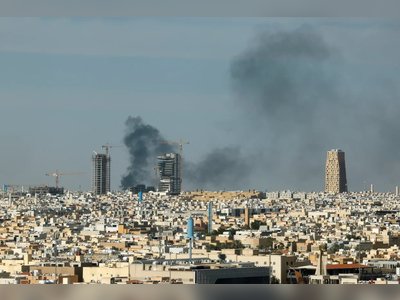
The recent surge in regional hostilities, including missile and drone exchanges across several Gulf states, has introduced a new layer of uncertainty for the kingdom’s transformation agenda.
Heightened security risks, disruptions to air travel and broader geopolitical tensions have raised concerns about how sustained conflict could affect investment flows and international confidence in the region.
Saudi Arabia’s leadership has continued to emphasize the resilience of its economic strategy, pointing to ongoing progress in infrastructure development, tourism initiatives and large-scale construction projects tied to Vision 2030. Major developments including the futuristic city of NEOM, new coastal tourism zones along the Red Sea and expanded aviation networks are intended to position the kingdom as a leading destination for global business and travel.
In recent years the government has also introduced wide-ranging reforms aimed at opening the country to international visitors, encouraging foreign investment and expanding private-sector activity.
Authorities have promoted Saudi Arabia as an emerging center for conferences, sports events and cultural tourism, with new airports, resorts and entertainment districts planned across the country.
However, analysts say regional instability can influence investor sentiment and travel patterns, particularly when military confrontations involve missile attacks, shipping disruptions or airspace restrictions affecting major Gulf transit routes.
Such factors could temporarily affect tourism growth and large-scale development projects if tensions remain elevated.
At the same time, Saudi Arabia has taken steps to shield its economic agenda from geopolitical turbulence.
The kingdom has strengthened domestic security measures and invested heavily in advanced air defence systems designed to protect key cities and infrastructure from aerial threats.
The country’s large financial reserves and continued oil revenue also provide significant resources to sustain long-term development plans even during periods of regional instability.
Officials say these financial strengths allow the kingdom to continue investing in major projects regardless of short-term shocks.
Supporters of the transformation strategy argue that Saudi Arabia’s scale, investment capacity and strategic location could ultimately allow it to emerge even stronger from regional turbulence.
They note that the Vision 2030 program is built as a decades-long restructuring effort rather than a short-term economic shift.
While the conflict presents clear challenges, Saudi Arabia’s leadership continues to frame the transformation project as central to the country’s future.
Whether the regional war slows the kingdom’s rise as a global hub will depend largely on the duration of the conflict and the ability of Gulf economies to maintain stability during a period of heightened geopolitical tension.
For several years Saudi Arabia has pursued an ambitious strategy under the Vision 2030 program to diversify its economy beyond oil.
Central to that effort has been the development of major tourism destinations, large-scale infrastructure projects and financial centers intended to attract international businesses and visitors on a scale that could rival established regional hubs such as Dubai.
The recent surge in regional hostilities, including missile and drone exchanges across several Gulf states, has introduced a new layer of uncertainty for the kingdom’s transformation agenda.
Heightened security risks, disruptions to air travel and broader geopolitical tensions have raised concerns about how sustained conflict could affect investment flows and international confidence in the region.
Saudi Arabia’s leadership has continued to emphasize the resilience of its economic strategy, pointing to ongoing progress in infrastructure development, tourism initiatives and large-scale construction projects tied to Vision 2030. Major developments including the futuristic city of NEOM, new coastal tourism zones along the Red Sea and expanded aviation networks are intended to position the kingdom as a leading destination for global business and travel.
In recent years the government has also introduced wide-ranging reforms aimed at opening the country to international visitors, encouraging foreign investment and expanding private-sector activity.
Authorities have promoted Saudi Arabia as an emerging center for conferences, sports events and cultural tourism, with new airports, resorts and entertainment districts planned across the country.
However, analysts say regional instability can influence investor sentiment and travel patterns, particularly when military confrontations involve missile attacks, shipping disruptions or airspace restrictions affecting major Gulf transit routes.
Such factors could temporarily affect tourism growth and large-scale development projects if tensions remain elevated.
At the same time, Saudi Arabia has taken steps to shield its economic agenda from geopolitical turbulence.
The kingdom has strengthened domestic security measures and invested heavily in advanced air defence systems designed to protect key cities and infrastructure from aerial threats.
The country’s large financial reserves and continued oil revenue also provide significant resources to sustain long-term development plans even during periods of regional instability.
Officials say these financial strengths allow the kingdom to continue investing in major projects regardless of short-term shocks.
Supporters of the transformation strategy argue that Saudi Arabia’s scale, investment capacity and strategic location could ultimately allow it to emerge even stronger from regional turbulence.
They note that the Vision 2030 program is built as a decades-long restructuring effort rather than a short-term economic shift.
While the conflict presents clear challenges, Saudi Arabia’s leadership continues to frame the transformation project as central to the country’s future.
Whether the regional war slows the kingdom’s rise as a global hub will depend largely on the duration of the conflict and the ability of Gulf economies to maintain stability during a period of heightened geopolitical tension.