0:00
0:00
Saudi Arabia Opens Direct Communication Channel With Iran in Bid to Prevent Wider Regional War
Riyadh intensifies diplomatic contacts with Tehran as missile attacks and military escalation threaten to draw Gulf states deeper into the conflict
Saudi Arabia has intensified direct communication with Iran in an effort to prevent the rapidly escalating Middle East conflict from expanding into a broader regional war.
Officials in Riyadh have activated high-level diplomatic channels with Tehran as tensions rise following a series of missile and drone attacks linked to the widening confrontation involving Iran, Israel and the United States.
Saudi leaders are seeking to maintain dialogue with Iranian counterparts even as security threats and military incidents increase across the Gulf.
The move reflects Saudi Arabia’s determination to avoid being drawn directly into a major regional conflict.
Although the kingdom has strongly condemned recent Iranian attacks on its territory and infrastructure, it has simultaneously pursued urgent diplomatic engagement aimed at de-escalating hostilities and preventing further retaliation.
The urgency of those efforts has grown after Iranian strikes targeted facilities in Saudi Arabia, including energy infrastructure and locations in the capital Riyadh.
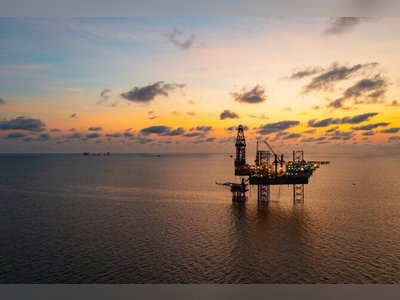
Saudi air defenses intercepted several drones and missiles, while a drone attack on the Ras Tanura refinery briefly disrupted operations at one of the kingdom’s most important oil facilities.
The incident triggered volatility in global energy markets and heightened concerns about the security of oil supplies from the Gulf.
Saudi Arabia, the world’s largest oil exporter, has placed its military forces on heightened readiness while also signaling that it prefers diplomatic solutions over direct confrontation.
Officials say the kingdom will take necessary measures to defend its territory and citizens but remains committed to reducing the risk of further escalation.
The renewed communications channel between Riyadh and Tehran builds on a fragile diplomatic rapprochement that began in 2023 when the two longtime regional rivals agreed to restore relations after years of hostility.
That agreement, brokered through international mediation, reopened embassies and re-established formal diplomatic ties between the two countries.
Despite the renewed dialogue, relations remain delicate as both nations navigate competing security concerns and alliances.
Saudi Arabia maintains close strategic partnerships with Western allies, while Iran continues to pursue its own regional policies and military activities.
By keeping a direct line of communication open with Tehran, Saudi leaders hope to contain the crisis and avoid a conflict that could engulf the Gulf and disrupt global energy supplies.
The outcome of these diplomatic efforts may play a critical role in determining whether the current confrontation stabilizes or expands into a wider regional war.
Officials in Riyadh have activated high-level diplomatic channels with Tehran as tensions rise following a series of missile and drone attacks linked to the widening confrontation involving Iran, Israel and the United States.
Saudi leaders are seeking to maintain dialogue with Iranian counterparts even as security threats and military incidents increase across the Gulf.
The move reflects Saudi Arabia’s determination to avoid being drawn directly into a major regional conflict.
Although the kingdom has strongly condemned recent Iranian attacks on its territory and infrastructure, it has simultaneously pursued urgent diplomatic engagement aimed at de-escalating hostilities and preventing further retaliation.
The urgency of those efforts has grown after Iranian strikes targeted facilities in Saudi Arabia, including energy infrastructure and locations in the capital Riyadh.
Saudi air defenses intercepted several drones and missiles, while a drone attack on the Ras Tanura refinery briefly disrupted operations at one of the kingdom’s most important oil facilities.
The incident triggered volatility in global energy markets and heightened concerns about the security of oil supplies from the Gulf.
Saudi Arabia, the world’s largest oil exporter, has placed its military forces on heightened readiness while also signaling that it prefers diplomatic solutions over direct confrontation.
Officials say the kingdom will take necessary measures to defend its territory and citizens but remains committed to reducing the risk of further escalation.
The renewed communications channel between Riyadh and Tehran builds on a fragile diplomatic rapprochement that began in 2023 when the two longtime regional rivals agreed to restore relations after years of hostility.
That agreement, brokered through international mediation, reopened embassies and re-established formal diplomatic ties between the two countries.
Despite the renewed dialogue, relations remain delicate as both nations navigate competing security concerns and alliances.
Saudi Arabia maintains close strategic partnerships with Western allies, while Iran continues to pursue its own regional policies and military activities.
By keeping a direct line of communication open with Tehran, Saudi leaders hope to contain the crisis and avoid a conflict that could engulf the Gulf and disrupt global energy supplies.
The outcome of these diplomatic efforts may play a critical role in determining whether the current confrontation stabilizes or expands into a wider regional war.