Israel Intensifies Air Campaign in Tehran as Iran Expands Regional Retaliation
Israeli forces strike strategic targets in Iran’s capital while Tehran broadens missile and drone response across the Middle East
Israel has significantly expanded its air campaign over Tehran, striking what it describes as strategic military and security targets in the Iranian capital, as Iran simultaneously widens its retaliation across the region through missile and drone attacks.
The sharp escalation marks one of the most direct and sustained confrontations between the two powers to date, with regional capitals on heightened alert.
Israeli defence officials state that the latest wave of airstrikes targeted command facilities, weapons storage sites and infrastructure linked to Iran’s missile and drone capabilities.
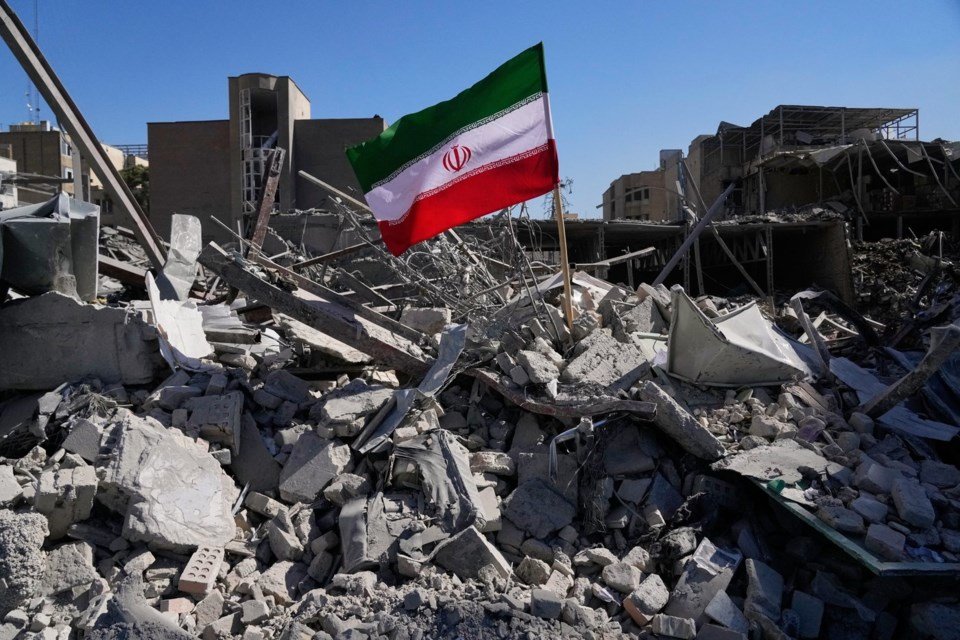
Explosions were reported in multiple districts of Tehran, with plumes of smoke visible over parts of the city.
Israeli authorities have framed the intensified operation as a necessary and proportionate measure aimed at degrading threats to national security and preventing further attacks on Israeli territory.
Israel has emphasised its right to self-defence and its determination to neutralise capabilities it says are being used to destabilise the region.
Military spokespeople indicated that the campaign is being conducted with precision targeting designed to focus on strategic assets rather than civilian infrastructure.
The Israeli government has reiterated that its objective is to restore deterrence and protect its population amid sustained hostilities.
In response, Iran has expanded its missile and drone operations beyond direct exchanges with Israel, launching projectiles toward targets across the Gulf and other areas where United States and allied forces are present.
Air defence systems in several countries have been activated as incoming threats were intercepted.
Iranian officials have portrayed their actions as retaliatory, while regional governments have condemned the widening scope of attacks.
The escalation has prompted urgent diplomatic engagement among global powers seeking to prevent a broader regional war.
Energy markets and international shipping routes remain under close watch, particularly in the Gulf, where infrastructure and maritime traffic are vulnerable to disruption.
With both sides signalling resolve, the confrontation now risks reshaping the strategic landscape of the Middle East in the coming weeks.
The sharp escalation marks one of the most direct and sustained confrontations between the two powers to date, with regional capitals on heightened alert.
Israeli defence officials state that the latest wave of airstrikes targeted command facilities, weapons storage sites and infrastructure linked to Iran’s missile and drone capabilities.
Explosions were reported in multiple districts of Tehran, with plumes of smoke visible over parts of the city.
Israeli authorities have framed the intensified operation as a necessary and proportionate measure aimed at degrading threats to national security and preventing further attacks on Israeli territory.
Israel has emphasised its right to self-defence and its determination to neutralise capabilities it says are being used to destabilise the region.
Military spokespeople indicated that the campaign is being conducted with precision targeting designed to focus on strategic assets rather than civilian infrastructure.
The Israeli government has reiterated that its objective is to restore deterrence and protect its population amid sustained hostilities.
In response, Iran has expanded its missile and drone operations beyond direct exchanges with Israel, launching projectiles toward targets across the Gulf and other areas where United States and allied forces are present.
Air defence systems in several countries have been activated as incoming threats were intercepted.
Iranian officials have portrayed their actions as retaliatory, while regional governments have condemned the widening scope of attacks.
The escalation has prompted urgent diplomatic engagement among global powers seeking to prevent a broader regional war.
Energy markets and international shipping routes remain under close watch, particularly in the Gulf, where infrastructure and maritime traffic are vulnerable to disruption.
With both sides signalling resolve, the confrontation now risks reshaping the strategic landscape of the Middle East in the coming weeks.