US Lawmakers Question White House Consideration of Saudi Nuclear Enrichment Framework
Debate intensifies in Washington as administration explores potential civil nuclear cooperation with Riyadh
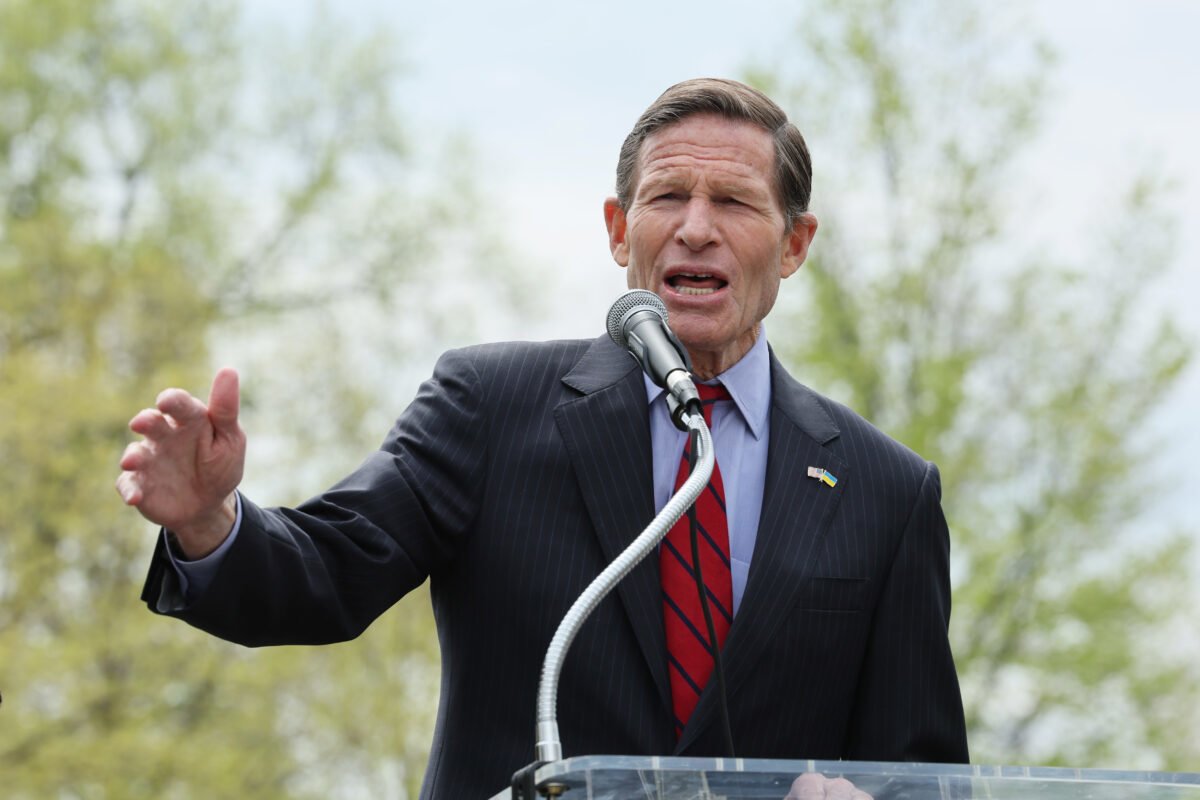
Members of the United States Congress have raised questions regarding reports that the White House is exploring a framework that could permit Saudi Arabia to pursue domestic uranium enrichment as part of a broader civil nuclear cooperation agreement.
The discussions are understood to be linked to a potential strategic package involving energy collaboration, security guarantees and wider regional diplomacy.
According to officials familiar with the matter, no final agreement has been concluded, and negotiations remain at a sensitive stage.
Some lawmakers have expressed concern about the proliferation implications of allowing enrichment capability, urging robust safeguards and congressional oversight.
They argue that any arrangement must meet stringent non-proliferation standards and ensure full transparency under international monitoring mechanisms.
The administration has framed the dialogue as part of a comprehensive diplomatic effort designed to strengthen ties with a key regional partner while advancing stability in the Middle East.
Officials have emphasised that any civil nuclear cooperation would be subject to binding agreements, International Atomic Energy Agency oversight and strict compliance provisions.
Saudi Arabia has consistently stated that its nuclear ambitions are focused on civilian energy generation, economic diversification and reducing reliance on hydrocarbons for domestic electricity production.
Riyadh has signalled that it seeks a programme consistent with international norms, while maintaining its sovereign right to develop peaceful nuclear technology.
Supporters of the diplomatic initiative argue that structured engagement with Riyadh could reinforce non-proliferation frameworks by embedding transparency and cooperation within a formal agreement.
They contend that a negotiated pathway, shaped by US leadership, may offer stronger oversight than leaving the kingdom to pursue partnerships elsewhere.
The issue has taken on additional significance amid broader geopolitical shifts and evolving regional alignments.
Congressional leaders have indicated they expect detailed briefings before any final arrangement is submitted for approval.
White House officials have reiterated that no decision has been finalised and that discussions are ongoing, underscoring the administration’s intention to balance strategic partnership, regional security and non-proliferation commitments in any future agreement.
The discussions are understood to be linked to a potential strategic package involving energy collaboration, security guarantees and wider regional diplomacy.
According to officials familiar with the matter, no final agreement has been concluded, and negotiations remain at a sensitive stage.
Some lawmakers have expressed concern about the proliferation implications of allowing enrichment capability, urging robust safeguards and congressional oversight.
They argue that any arrangement must meet stringent non-proliferation standards and ensure full transparency under international monitoring mechanisms.
The administration has framed the dialogue as part of a comprehensive diplomatic effort designed to strengthen ties with a key regional partner while advancing stability in the Middle East.
Officials have emphasised that any civil nuclear cooperation would be subject to binding agreements, International Atomic Energy Agency oversight and strict compliance provisions.
Saudi Arabia has consistently stated that its nuclear ambitions are focused on civilian energy generation, economic diversification and reducing reliance on hydrocarbons for domestic electricity production.
Riyadh has signalled that it seeks a programme consistent with international norms, while maintaining its sovereign right to develop peaceful nuclear technology.
Supporters of the diplomatic initiative argue that structured engagement with Riyadh could reinforce non-proliferation frameworks by embedding transparency and cooperation within a formal agreement.
They contend that a negotiated pathway, shaped by US leadership, may offer stronger oversight than leaving the kingdom to pursue partnerships elsewhere.
The issue has taken on additional significance amid broader geopolitical shifts and evolving regional alignments.
Congressional leaders have indicated they expect detailed briefings before any final arrangement is submitted for approval.
White House officials have reiterated that no decision has been finalised and that discussions are ongoing, underscoring the administration’s intention to balance strategic partnership, regional security and non-proliferation commitments in any future agreement.