0:00
0:00
Asian LPG Prices Surge After Damage Forces Saudi Aramco Export Disruptions
Supply interruption at major Saudi facility sends liquefied petroleum gas benchmarks to near year-high levels
Asian liquefied petroleum gas (LPG) prices climbed sharply after damage to a key Saudi export facility triggered export curbs and lifted benchmark swap values to their highest levels in nearly a year.
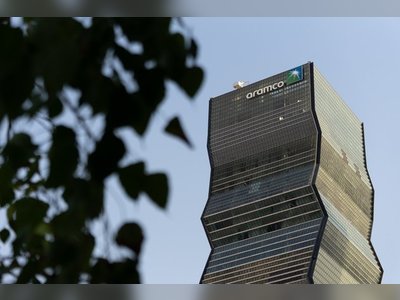
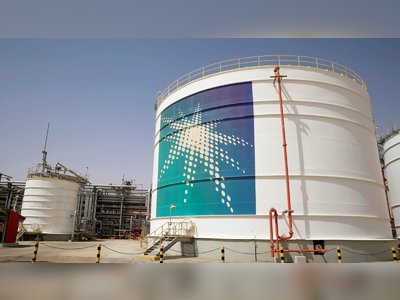
Saudi Arabia’s state energy company Aramco disclosed that structural damage was identified on February 23 at the Juaymah natural gas liquids facility in the eastern part of the Kingdom, prompting the immediate suspension of some LPG exports while emergency response measures were activated.
Although no leaks or injuries occurred, the disruption has affected shipments of propane and butane destined for major Asian importers, including China, India, Japan and South Korea.
Following the announcement, prices for LPG cargoes scheduled for delivery to East Asia in March surged above six hundred dollars per tonne on swap markets, levels not seen since early April 2025. The Juaymah facility plays a material role in global LPG trade, handling roughly 3.5 percent of all seaborne LPG shipments, and typically averages around four hundred fifty thousand tonnes in monthly exports.
Market participants said the outage has tightened near-term supply expectations, with buyers left to source alternative cargoes as prompt availability from the Middle East is constrained.
The size and duration of the disruption remain uncertain, and traders are closely watching repair progress amid elevated volatility in energy markets.
The price reaction illustrates how interconnected global LPG markets have become, with movements in a single facility’s output influencing cost structures for heating, petrochemical feedstocks and fuel supplies across Asia.
Analysts noted that even short-lived export interruptions at strategically important terminals can ripple through spot and forward pricing curves, prompting traders to reassess near-term supply risk premiums.
Saudi Arabia’s state energy company Aramco disclosed that structural damage was identified on February 23 at the Juaymah natural gas liquids facility in the eastern part of the Kingdom, prompting the immediate suspension of some LPG exports while emergency response measures were activated.
Although no leaks or injuries occurred, the disruption has affected shipments of propane and butane destined for major Asian importers, including China, India, Japan and South Korea.
Following the announcement, prices for LPG cargoes scheduled for delivery to East Asia in March surged above six hundred dollars per tonne on swap markets, levels not seen since early April 2025. The Juaymah facility plays a material role in global LPG trade, handling roughly 3.5 percent of all seaborne LPG shipments, and typically averages around four hundred fifty thousand tonnes in monthly exports.
Market participants said the outage has tightened near-term supply expectations, with buyers left to source alternative cargoes as prompt availability from the Middle East is constrained.
The size and duration of the disruption remain uncertain, and traders are closely watching repair progress amid elevated volatility in energy markets.
The price reaction illustrates how interconnected global LPG markets have become, with movements in a single facility’s output influencing cost structures for heating, petrochemical feedstocks and fuel supplies across Asia.
Analysts noted that even short-lived export interruptions at strategically important terminals can ripple through spot and forward pricing curves, prompting traders to reassess near-term supply risk premiums.