Middle East Oil Output Drops Sharply Amid Ongoing Iran Conflict
New data points to significant production declines as regional tensions disrupt energy supply
Oil production across the Middle East has fallen markedly as the ongoing conflict involving Iran continues to disrupt output, according to newly released data from OPEC.
The figures indicate a substantial decline in regional production, reflecting the impact of instability on key energy infrastructure and supply chains.
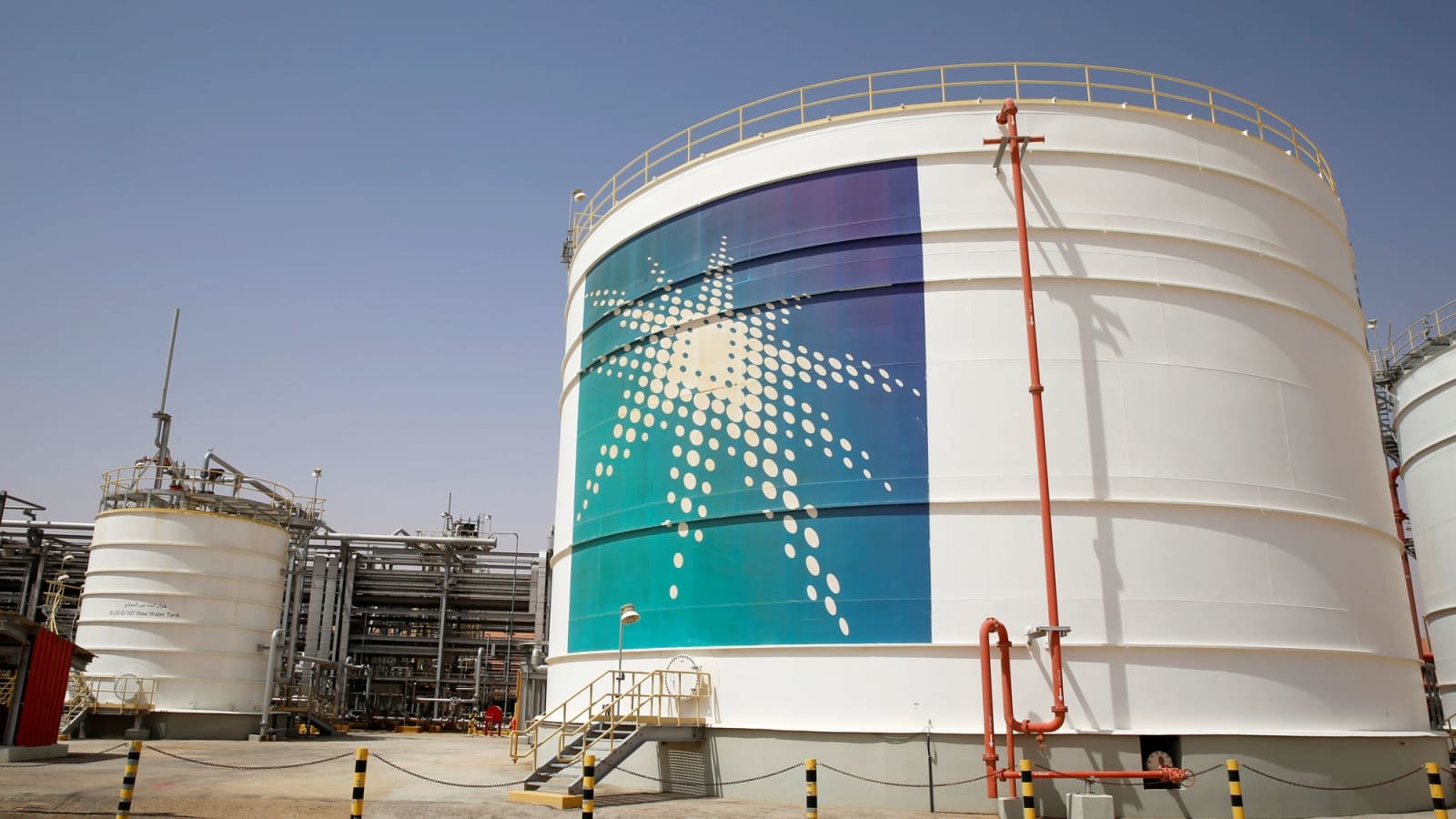
Several producing countries have faced operational challenges, including disruptions to transport routes and precautionary reductions in output.
The downturn in supply has drawn close attention from global markets, where energy security remains a critical concern.
Analysts note that the Middle East plays a central role in global oil production, and any sustained decline can have significant implications for prices and availability worldwide.
Officials have pointed to the conflict’s effect on both production capacity and export logistics, with heightened risks leading to delays and reduced throughput in some areas.
The situation has underscored the vulnerability of energy systems during periods of geopolitical tension.
OPEC members are closely monitoring developments, with discussions ongoing about how best to respond to shifting market conditions.
While some producers may seek to adjust output levels to stabilize supply, the broader outlook remains uncertain as the conflict continues.
The decline highlights the interconnected nature of global energy markets, where regional disruptions can quickly translate into wider economic effects.
As the situation evolves, industry stakeholders are watching closely for signs of stabilization or further volatility.
The figures indicate a substantial decline in regional production, reflecting the impact of instability on key energy infrastructure and supply chains.
Several producing countries have faced operational challenges, including disruptions to transport routes and precautionary reductions in output.
The downturn in supply has drawn close attention from global markets, where energy security remains a critical concern.
Analysts note that the Middle East plays a central role in global oil production, and any sustained decline can have significant implications for prices and availability worldwide.
Officials have pointed to the conflict’s effect on both production capacity and export logistics, with heightened risks leading to delays and reduced throughput in some areas.
The situation has underscored the vulnerability of energy systems during periods of geopolitical tension.
OPEC members are closely monitoring developments, with discussions ongoing about how best to respond to shifting market conditions.
While some producers may seek to adjust output levels to stabilize supply, the broader outlook remains uncertain as the conflict continues.
The decline highlights the interconnected nature of global energy markets, where regional disruptions can quickly translate into wider economic effects.
As the situation evolves, industry stakeholders are watching closely for signs of stabilization or further volatility.