0:00
0:00
Israel’s President Herzog Signals Cautious Message on Saudi Ties at UAE Iftar in Tel Aviv
Remarks at Ramadan gathering highlight Israel’s regional outreach while underscoring complexities in emerging diplomatic alignments
Israel’s President Isaac Herzog delivered carefully calibrated remarks touching on Saudi Arabia during a Ramadan iftar hosted by the United Arab Emirates in Tel Aviv, underscoring both Israel’s expanding regional engagement and the delicate dynamics shaping Middle Eastern diplomacy.
Speaking at the gathering, which brought together diplomats and community leaders, Herzog reaffirmed Israel’s commitment to deepening cooperation with regional partners under the framework of the Abraham Accords.
While not naming Saudi Arabia directly in critical terms, he made oblique references to the importance of mutual recognition, responsible regional leadership and constructive dialogue in advancing stability.
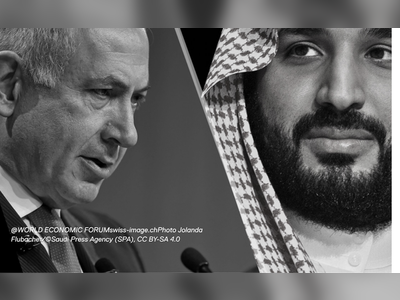
Observers interpreted the comments as a nuanced signal amid ongoing discussions about potential normalisation between Israel and Saudi Arabia.
Israel has consistently expressed readiness to expand diplomatic ties with additional Arab and Muslim-majority states, framing such outreach as a cornerstone of regional security and economic growth.
The iftar event, hosted by the UAE embassy, symbolised the maturing relationship between Israel and the Emirates since the signing of the Abraham Accords.
Trade, tourism and security cooperation between the two countries have expanded significantly, and Emirati officials have repeatedly emphasised the role of dialogue and interfaith engagement in building trust.
Herzog highlighted Israel’s desire for a broader regional architecture grounded in technological collaboration, economic integration and shared security interests.
He also reiterated Israel’s position that lasting peace requires pragmatic leadership and direct engagement rather than rhetorical confrontation.
Saudi Arabia has maintained a cautious but evolving stance toward Israel, participating in quiet diplomatic exchanges while linking formal recognition to wider regional considerations.
Analysts note that shifting geopolitical realities, including security cooperation and economic diversification efforts across the Gulf, continue to shape the trajectory of these discussions.
The president’s remarks reflected Israel’s confidence in its expanding diplomatic footprint while acknowledging that further progress will depend on sustained dialogue and reciprocal steps.
The tone of the evening underscored the growing normalization of Israel’s ties within the Gulf, even as more complex regional relationships remain under active negotiation.
Speaking at the gathering, which brought together diplomats and community leaders, Herzog reaffirmed Israel’s commitment to deepening cooperation with regional partners under the framework of the Abraham Accords.
While not naming Saudi Arabia directly in critical terms, he made oblique references to the importance of mutual recognition, responsible regional leadership and constructive dialogue in advancing stability.
Observers interpreted the comments as a nuanced signal amid ongoing discussions about potential normalisation between Israel and Saudi Arabia.
Israel has consistently expressed readiness to expand diplomatic ties with additional Arab and Muslim-majority states, framing such outreach as a cornerstone of regional security and economic growth.
The iftar event, hosted by the UAE embassy, symbolised the maturing relationship between Israel and the Emirates since the signing of the Abraham Accords.
Trade, tourism and security cooperation between the two countries have expanded significantly, and Emirati officials have repeatedly emphasised the role of dialogue and interfaith engagement in building trust.
Herzog highlighted Israel’s desire for a broader regional architecture grounded in technological collaboration, economic integration and shared security interests.
He also reiterated Israel’s position that lasting peace requires pragmatic leadership and direct engagement rather than rhetorical confrontation.
Saudi Arabia has maintained a cautious but evolving stance toward Israel, participating in quiet diplomatic exchanges while linking formal recognition to wider regional considerations.
Analysts note that shifting geopolitical realities, including security cooperation and economic diversification efforts across the Gulf, continue to shape the trajectory of these discussions.
The president’s remarks reflected Israel’s confidence in its expanding diplomatic footprint while acknowledging that further progress will depend on sustained dialogue and reciprocal steps.
The tone of the evening underscored the growing normalization of Israel’s ties within the Gulf, even as more complex regional relationships remain under active negotiation.