0:00
0:00
Saudi Arabia and Iran Increase Oil Exports Amid Escalating Middle East Tensions
Rival producers boost shipments as markets brace for potential supply disruptions linked to regional instability
Saudi Arabia and Iran have both increased oil exports in recent weeks as geopolitical tensions in the Middle East intensify, a move that appears aimed at stabilising revenues and reassuring global markets ahead of potential disruptions.
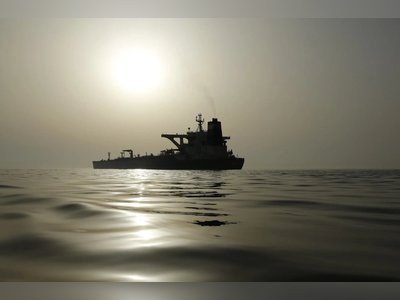
Shipping data and industry assessments indicate that Saudi crude exports have risen modestly, with additional cargoes directed toward Asian refiners.
Iran, meanwhile, has also expanded shipments, primarily to buyers in Asia, as it seeks to maximise revenue flows in a volatile regional environment.
The export increases come against the backdrop of heightened military and diplomatic friction across the region, raising concerns among traders about the security of key energy infrastructure and shipping lanes.
The Strait of Hormuz, through which roughly a fifth of the world’s oil supply transits, remains a focal point of market sensitivity.
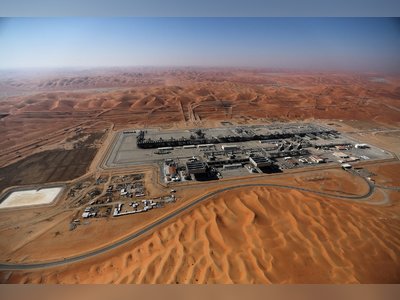
Saudi Arabia retains spare production capacity and has historically acted to smooth market imbalances during periods of geopolitical stress.
Analysts suggest Riyadh’s incremental export boost may reflect contingency planning to offset possible supply shocks without destabilising prices.
Iran’s export rise, in contrast, reflects its continued strategy of maintaining high output despite sanctions constraints, leveraging demand from established trading partners.
The increase underscores Tehran’s effort to sustain foreign currency earnings amid economic pressure.
Oil prices have fluctuated as traders weigh the risk of escalation against broader demand trends.
While supply additions from both producers have helped temper immediate price spikes, markets remain alert to any development that could disrupt transport routes or production facilities.
The parallel rise in exports by two regional rivals highlights the delicate balance facing global energy markets, where strategic signalling, revenue needs and geopolitical calculation intersect in a period of heightened uncertainty.
Shipping data and industry assessments indicate that Saudi crude exports have risen modestly, with additional cargoes directed toward Asian refiners.
Iran, meanwhile, has also expanded shipments, primarily to buyers in Asia, as it seeks to maximise revenue flows in a volatile regional environment.
The export increases come against the backdrop of heightened military and diplomatic friction across the region, raising concerns among traders about the security of key energy infrastructure and shipping lanes.
The Strait of Hormuz, through which roughly a fifth of the world’s oil supply transits, remains a focal point of market sensitivity.
Saudi Arabia retains spare production capacity and has historically acted to smooth market imbalances during periods of geopolitical stress.
Analysts suggest Riyadh’s incremental export boost may reflect contingency planning to offset possible supply shocks without destabilising prices.
Iran’s export rise, in contrast, reflects its continued strategy of maintaining high output despite sanctions constraints, leveraging demand from established trading partners.
The increase underscores Tehran’s effort to sustain foreign currency earnings amid economic pressure.
Oil prices have fluctuated as traders weigh the risk of escalation against broader demand trends.
While supply additions from both producers have helped temper immediate price spikes, markets remain alert to any development that could disrupt transport routes or production facilities.
The parallel rise in exports by two regional rivals highlights the delicate balance facing global energy markets, where strategic signalling, revenue needs and geopolitical calculation intersect in a period of heightened uncertainty.