0:00
0:00
Saudi Arabia Raises Oil Output and Exports Amid Contingency Planning Over Iran Tensions
Production increase seen as precautionary step to stabilise markets in the event of potential US military action against Iran
Saudi Arabia has increased oil production and exports in recent weeks as part of contingency planning tied to escalating tensions involving Iran, according to individuals familiar with the matter.
The move is understood to be a precautionary measure designed to reassure global markets and ensure adequate supply should a major disruption occur in the Gulf region, including in the event of US military action targeting Iranian assets.
Officials close to the discussions say Riyadh has quietly adjusted output levels and export flows to position itself to offset potential supply shocks.
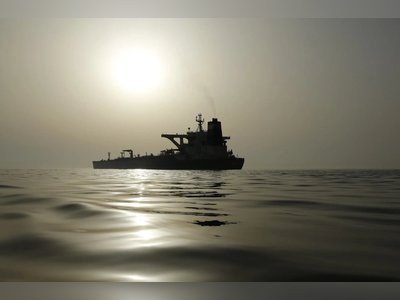
Energy analysts note that any conflict involving Iran could threaten shipping through the Strait of Hormuz, a critical maritime chokepoint through which a significant share of global crude exports passes.
Even limited military action has historically led to price volatility, prompting major producers to prepare stabilising responses.
Saudi Arabia, the world’s largest crude exporter, holds spare production capacity that can be deployed relatively quickly.
Market participants say the kingdom’s readiness to boost exports reflects its long-standing role as a swing producer within the Organisation of the Petroleum Exporting Countries and its broader strategic partnership with the United States.
Oil prices have fluctuated in recent sessions as traders weigh geopolitical risk against demand conditions in major consuming economies.
The reported production increase appears calibrated to avoid triggering oversupply while providing a buffer against abrupt shortages.
Saudi officials have not publicly detailed any shift in production policy, and no formal announcement has been made regarding specific output figures.
However, shipping data and refinery flows indicate a modest rise in exports compared with prior months.
Observers say the development underscores the sensitivity of global energy markets to Middle East tensions and highlights Riyadh’s central role in cushioning potential shocks.
With diplomatic channels continuing alongside military signalling in the region, energy traders remain alert to further changes in supply dynamics.
The move is understood to be a precautionary measure designed to reassure global markets and ensure adequate supply should a major disruption occur in the Gulf region, including in the event of US military action targeting Iranian assets.
Officials close to the discussions say Riyadh has quietly adjusted output levels and export flows to position itself to offset potential supply shocks.
Energy analysts note that any conflict involving Iran could threaten shipping through the Strait of Hormuz, a critical maritime chokepoint through which a significant share of global crude exports passes.
Even limited military action has historically led to price volatility, prompting major producers to prepare stabilising responses.
Saudi Arabia, the world’s largest crude exporter, holds spare production capacity that can be deployed relatively quickly.
Market participants say the kingdom’s readiness to boost exports reflects its long-standing role as a swing producer within the Organisation of the Petroleum Exporting Countries and its broader strategic partnership with the United States.
Oil prices have fluctuated in recent sessions as traders weigh geopolitical risk against demand conditions in major consuming economies.
The reported production increase appears calibrated to avoid triggering oversupply while providing a buffer against abrupt shortages.
Saudi officials have not publicly detailed any shift in production policy, and no formal announcement has been made regarding specific output figures.
However, shipping data and refinery flows indicate a modest rise in exports compared with prior months.
Observers say the development underscores the sensitivity of global energy markets to Middle East tensions and highlights Riyadh’s central role in cushioning potential shocks.
With diplomatic channels continuing alongside military signalling in the region, energy traders remain alert to further changes in supply dynamics.