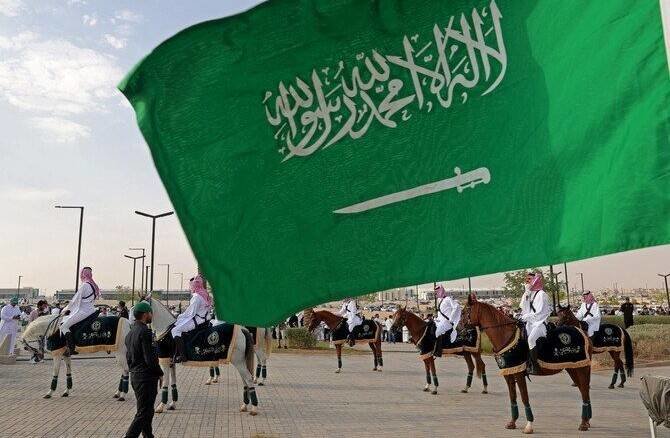
Saudi Arabia Recalibrates Its Role in Shifting Regional and Global Power Dynamics
Riyadh’s diplomatic outreach, energy strategy and economic transformation place it at the centre of an evolving geopolitical balance
Saudi Arabia is positioning itself as a pivotal actor in an increasingly fluid global order, leveraging its economic strength, energy capacity and diplomatic outreach to shape regional and international power dynamics.
As geopolitical tensions intensify across the Middle East and beyond, Riyadh has pursued a multi-track foreign policy designed to reinforce stability while safeguarding national interests.
The Kingdom has deepened engagement with major global powers, strengthened regional partnerships and maintained close coordination with fellow energy producers, underscoring its strategic weight in global markets.
Energy policy remains central to this recalibration.
As one of the world’s largest oil exporters, Saudi Arabia continues to influence supply levels in coordination with other producing nations, seeking to balance market stability with long-term economic planning.
Recent adjustments in output and export strategy reflect a broader effort to manage volatility amid heightened regional tensions and shifting demand patterns.
At the same time, Saudi Arabia’s domestic transformation programme has enhanced its geopolitical standing.
Large-scale investments in infrastructure, tourism, advanced manufacturing and digital technology are reducing reliance on hydrocarbons and expanding the Kingdom’s economic footprint.
By attracting global capital and forging industrial partnerships, Riyadh is reinforcing its position as both an energy powerhouse and a diversified investment destination.
Diplomatically, the Kingdom has played an increasingly visible role in regional dialogue, facilitating de-escalation efforts and maintaining communication channels among rival actors.
Analysts note that this pragmatic approach has allowed Saudi Arabia to preserve strategic autonomy while engaging constructively with competing global blocs.
The interplay between economic diversification, energy stewardship and diplomatic activism has elevated Saudi Arabia’s influence at a time when traditional alliances are being tested.
With global power centres adjusting to new realities, Riyadh’s capacity to balance relations across regions is becoming a defining feature of its foreign policy.
As geopolitical alignments continue to evolve, Saudi Arabia’s strategy suggests a deliberate effort to anchor regional stability while asserting a more prominent voice in shaping the contours of the international system.
As geopolitical tensions intensify across the Middle East and beyond, Riyadh has pursued a multi-track foreign policy designed to reinforce stability while safeguarding national interests.
The Kingdom has deepened engagement with major global powers, strengthened regional partnerships and maintained close coordination with fellow energy producers, underscoring its strategic weight in global markets.
Energy policy remains central to this recalibration.
As one of the world’s largest oil exporters, Saudi Arabia continues to influence supply levels in coordination with other producing nations, seeking to balance market stability with long-term economic planning.
Recent adjustments in output and export strategy reflect a broader effort to manage volatility amid heightened regional tensions and shifting demand patterns.
At the same time, Saudi Arabia’s domestic transformation programme has enhanced its geopolitical standing.
Large-scale investments in infrastructure, tourism, advanced manufacturing and digital technology are reducing reliance on hydrocarbons and expanding the Kingdom’s economic footprint.
By attracting global capital and forging industrial partnerships, Riyadh is reinforcing its position as both an energy powerhouse and a diversified investment destination.
Diplomatically, the Kingdom has played an increasingly visible role in regional dialogue, facilitating de-escalation efforts and maintaining communication channels among rival actors.
Analysts note that this pragmatic approach has allowed Saudi Arabia to preserve strategic autonomy while engaging constructively with competing global blocs.
The interplay between economic diversification, energy stewardship and diplomatic activism has elevated Saudi Arabia’s influence at a time when traditional alliances are being tested.
With global power centres adjusting to new realities, Riyadh’s capacity to balance relations across regions is becoming a defining feature of its foreign policy.
As geopolitical alignments continue to evolve, Saudi Arabia’s strategy suggests a deliberate effort to anchor regional stability while asserting a more prominent voice in shaping the contours of the international system.