
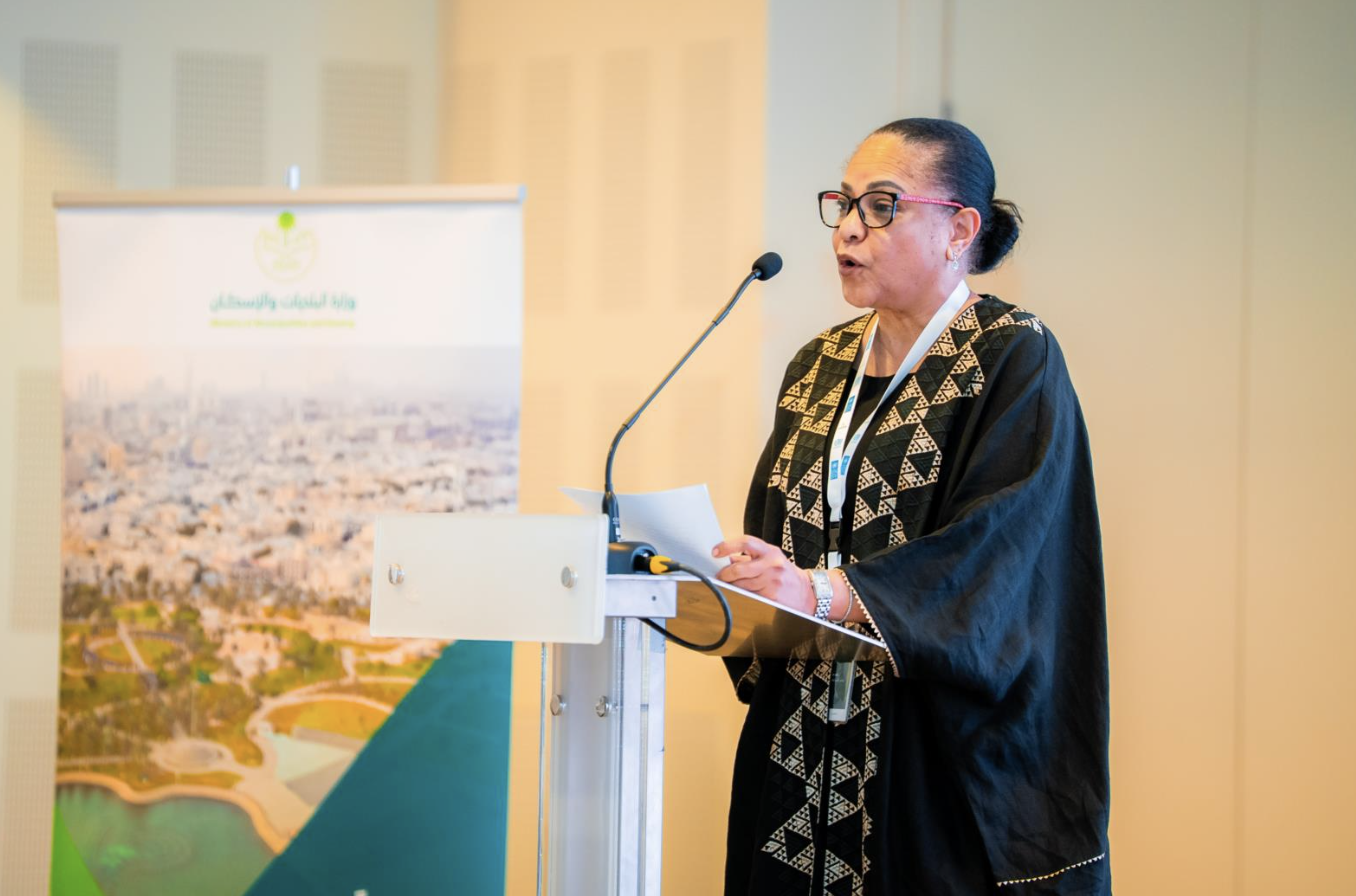
Saudi Arabia Advances First National Urban Policy Through High-Level Leadership and Institutional Alliances
Coordinated government strategy and cross-sector partnerships accelerate sustainable urban planning across the Kingdom
Saudi Arabia has intensified efforts to implement its first National Urban Policy, positioning coordinated leadership and institutional collaboration at the centre of a long-term strategy to guide sustainable urban growth.
The policy framework, developed to align with the Kingdom’s broader economic and social transformation agenda, seeks to harmonise urban expansion, infrastructure delivery and environmental sustainability across rapidly growing cities.
Senior government authorities have underscored the importance of unified national direction to ensure that housing, transport, public services and land use planning evolve in a coherent and economically efficient manner.
Institutional partnerships between ministries, municipal authorities, development funds and research bodies have played a central role in advancing the initiative.
Officials have emphasised data-driven planning, integrated governance mechanisms and performance monitoring systems to strengthen implementation capacity across regions.
Saudi Arabia’s urban population has grown steadily over recent decades, with major metropolitan areas such as Riyadh, Jeddah and Dammam experiencing expansion in both population and infrastructure demand.
The National Urban Policy is designed to manage this growth while improving liveability, economic productivity and environmental resilience.
Key priorities include expanding affordable housing, enhancing public transportation networks, safeguarding green spaces and promoting mixed-use development.
The policy also supports decentralised growth by encouraging development in secondary cities, aiming to reduce pressure on major urban centres and stimulate balanced regional progress.
Observers note that sustained institutional coordination is essential to translating strategic objectives into measurable outcomes.
By strengthening governance structures and fostering collaboration between public and private stakeholders, Saudi Arabia is seeking to create an urban model capable of supporting economic diversification and social well-being.
As large-scale infrastructure and development projects advance nationwide, the rollout of the National Urban Policy signals a commitment to structured, forward-looking urban management that aligns demographic growth with long-term national planning goals.
The policy framework, developed to align with the Kingdom’s broader economic and social transformation agenda, seeks to harmonise urban expansion, infrastructure delivery and environmental sustainability across rapidly growing cities.
Senior government authorities have underscored the importance of unified national direction to ensure that housing, transport, public services and land use planning evolve in a coherent and economically efficient manner.
Institutional partnerships between ministries, municipal authorities, development funds and research bodies have played a central role in advancing the initiative.
Officials have emphasised data-driven planning, integrated governance mechanisms and performance monitoring systems to strengthen implementation capacity across regions.
Saudi Arabia’s urban population has grown steadily over recent decades, with major metropolitan areas such as Riyadh, Jeddah and Dammam experiencing expansion in both population and infrastructure demand.
The National Urban Policy is designed to manage this growth while improving liveability, economic productivity and environmental resilience.
Key priorities include expanding affordable housing, enhancing public transportation networks, safeguarding green spaces and promoting mixed-use development.
The policy also supports decentralised growth by encouraging development in secondary cities, aiming to reduce pressure on major urban centres and stimulate balanced regional progress.
Observers note that sustained institutional coordination is essential to translating strategic objectives into measurable outcomes.
By strengthening governance structures and fostering collaboration between public and private stakeholders, Saudi Arabia is seeking to create an urban model capable of supporting economic diversification and social well-being.
As large-scale infrastructure and development projects advance nationwide, the rollout of the National Urban Policy signals a commitment to structured, forward-looking urban management that aligns demographic growth with long-term national planning goals.