0:00
0:00
Saudi Arabia Intercepts Drones Targeting Ras Tanura Oil Refinery as Conflict Escalates
Defense forces shoot down two unmanned aerial vehicles near one of the kingdom’s key energy infrastructure sites, triggering precautionary shutdowns
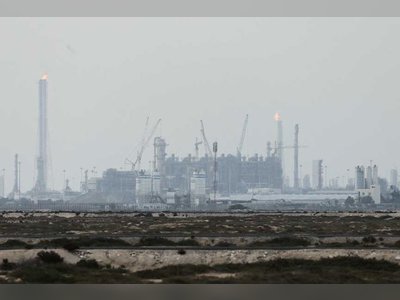
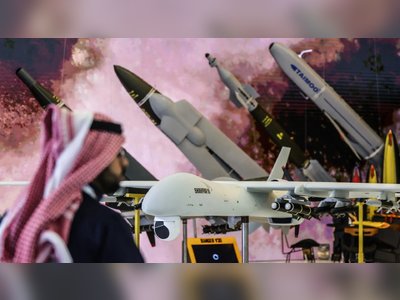
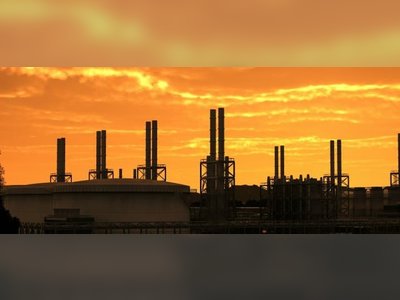
Saudi Arabia’s defence ministry has announced that its forces intercepted and destroyed two drones targeting the Ras Tanura oil refinery, one of the kingdom’s most critical energy facilities, in an incident that highlights the widening regional conflict.
The unmanned aerial vehicles were detected approaching the refinery on Monday, prompting air defences to respond and bring them down before they could strike their intended target.
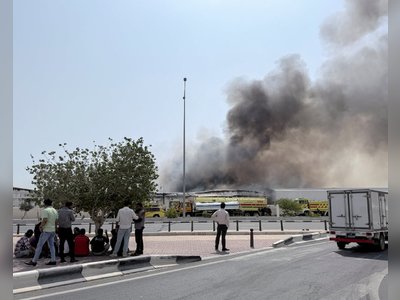
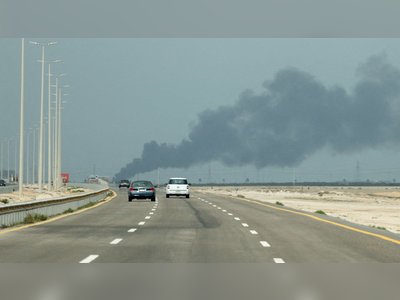
Although the interception prevented a direct hit, falling debris sparked a small fire at the complex, which emergency crews quickly contained.
There were no reported injuries, and authorities said that damage was limited to peripheral areas near the refinery.
Provincial officials confirmed that some operational units at the facility were temporarily shut down as a precautionary measure, though petroleum supplies and products to domestic markets were not materially affected.
Ras Tanura, operated by state-owned oil giant Saudi Aramco, houses one of the Middle East’s largest refineries with a processing capacity of about 550,000 barrels per day.
The site also serves as a major export terminal for Saudi crude, making it strategically vital to both national energy production and global oil markets.
The drone attack occurred amid a broader wave of regional hostilities tied to the ongoing conflict involving Iran and its adversaries, which has seen increased use of unmanned aerial systems and missile strikes on energy infrastructure in Gulf states.
Saudi Arabia raised its military readiness level in response to these threats and has warned that any further attacks on oil facilities could prompt a strong defensive posture.
Global energy markets reacted to the news with heightened volatility, as the security of crude supply from the Gulf is paramount to international energy stability.
While the immediate operational impact at Ras Tanura was limited, the incident underscores the vulnerability of critical energy assets in a tense geopolitical environment and raises questions about the resilience of supply chains if hostilities continue to expand.
The unmanned aerial vehicles were detected approaching the refinery on Monday, prompting air defences to respond and bring them down before they could strike their intended target.
Although the interception prevented a direct hit, falling debris sparked a small fire at the complex, which emergency crews quickly contained.
There were no reported injuries, and authorities said that damage was limited to peripheral areas near the refinery.
Provincial officials confirmed that some operational units at the facility were temporarily shut down as a precautionary measure, though petroleum supplies and products to domestic markets were not materially affected.
Ras Tanura, operated by state-owned oil giant Saudi Aramco, houses one of the Middle East’s largest refineries with a processing capacity of about 550,000 barrels per day.
The site also serves as a major export terminal for Saudi crude, making it strategically vital to both national energy production and global oil markets.
The drone attack occurred amid a broader wave of regional hostilities tied to the ongoing conflict involving Iran and its adversaries, which has seen increased use of unmanned aerial systems and missile strikes on energy infrastructure in Gulf states.
Saudi Arabia raised its military readiness level in response to these threats and has warned that any further attacks on oil facilities could prompt a strong defensive posture.
Global energy markets reacted to the news with heightened volatility, as the security of crude supply from the Gulf is paramount to international energy stability.
While the immediate operational impact at Ras Tanura was limited, the incident underscores the vulnerability of critical energy assets in a tense geopolitical environment and raises questions about the resilience of supply chains if hostilities continue to expand.