0:00
0:00
Middle East Strikes Disrupt Qatar LNG, Saudi Refining and Israeli Energy Fields
Coordinated attacks force temporary shutdowns across key Gulf and Israeli energy assets, unsettling global markets
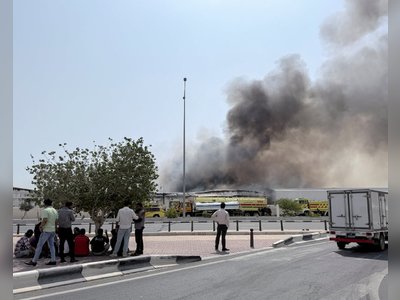
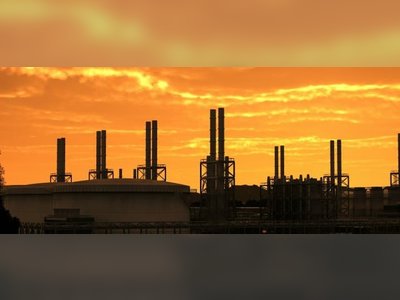
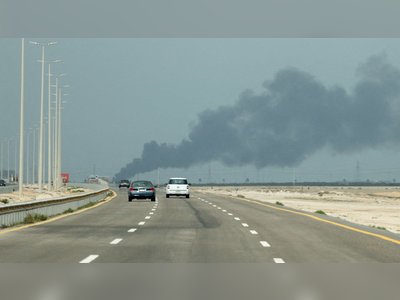
Major energy installations in Qatar, Saudi Arabia and Israel have been temporarily shut down following a wave of strikes across the Middle East, marking one of the most significant disruptions to regional oil and gas infrastructure in recent years.
Qatar’s liquefied natural gas facilities reported operational suspensions after security alerts linked to nearby missile and drone activity.
While authorities have not confirmed direct structural damage to processing units, precautionary shutdowns were enacted to protect personnel and critical equipment.
Qatar is the world’s leading exporter of liquefied natural gas, and even short-term disruptions carry substantial implications for global supply chains.
In Saudi Arabia, refining operations at a major facility were halted following aerial threats in the vicinity.
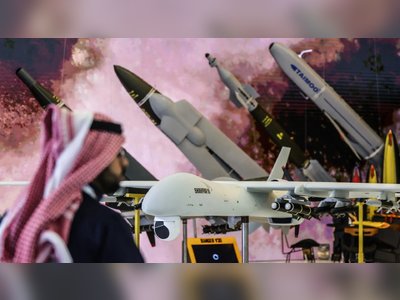
Air defence systems intercepted projectiles targeting energy infrastructure, and emergency protocols were activated to contain potential hazards.
Officials said the measures were taken to ensure safety and minimise risk to surrounding communities.
Israeli offshore oil and gas fields also reported temporary production suspensions amid heightened security conditions.
Authorities cited the need to assess potential threats to maritime infrastructure as regional hostilities expanded.
Israel’s energy ministry stated that supply to domestic markets would be prioritised, and contingency arrangements were in place to maintain stability.
The coordinated nature of the disruptions has intensified concerns over the resilience of energy networks across the Gulf and eastern Mediterranean.
Analysts note that targeting high-value oil and gas assets increases pressure on international markets, where prices have already shown volatility in response to the escalating conflict.
Energy traders reacted swiftly, with crude oil and natural gas benchmarks climbing amid fears of prolonged outages.
The Strait of Hormuz and other strategic shipping corridors remain under close monitoring, as any sustained interruption to exports could reverberate through global inflation, trade flows and industrial production.
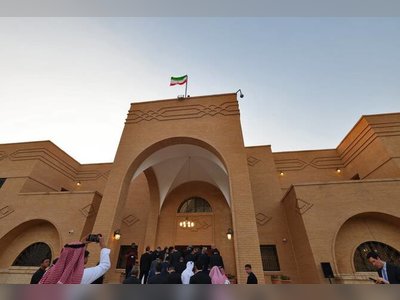
Regional governments have condemned the attacks and strengthened defensive postures around strategic installations.
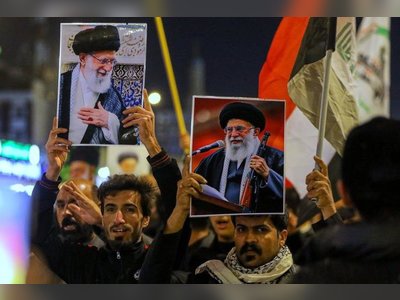
Diplomatic efforts to contain further escalation are under way, but the scale of recent strikes underscores the vulnerability of the world’s energy arteries to geopolitical confrontation.
With multiple production sites affected across several countries, the immediate focus has shifted to restoration timelines and whether hostilities will continue to threaten infrastructure critical to global economic stability.
Qatar’s liquefied natural gas facilities reported operational suspensions after security alerts linked to nearby missile and drone activity.
While authorities have not confirmed direct structural damage to processing units, precautionary shutdowns were enacted to protect personnel and critical equipment.
Qatar is the world’s leading exporter of liquefied natural gas, and even short-term disruptions carry substantial implications for global supply chains.
In Saudi Arabia, refining operations at a major facility were halted following aerial threats in the vicinity.
Air defence systems intercepted projectiles targeting energy infrastructure, and emergency protocols were activated to contain potential hazards.
Officials said the measures were taken to ensure safety and minimise risk to surrounding communities.
Israeli offshore oil and gas fields also reported temporary production suspensions amid heightened security conditions.
Authorities cited the need to assess potential threats to maritime infrastructure as regional hostilities expanded.
Israel’s energy ministry stated that supply to domestic markets would be prioritised, and contingency arrangements were in place to maintain stability.
The coordinated nature of the disruptions has intensified concerns over the resilience of energy networks across the Gulf and eastern Mediterranean.
Analysts note that targeting high-value oil and gas assets increases pressure on international markets, where prices have already shown volatility in response to the escalating conflict.
Energy traders reacted swiftly, with crude oil and natural gas benchmarks climbing amid fears of prolonged outages.
The Strait of Hormuz and other strategic shipping corridors remain under close monitoring, as any sustained interruption to exports could reverberate through global inflation, trade flows and industrial production.
Regional governments have condemned the attacks and strengthened defensive postures around strategic installations.
Diplomatic efforts to contain further escalation are under way, but the scale of recent strikes underscores the vulnerability of the world’s energy arteries to geopolitical confrontation.
With multiple production sites affected across several countries, the immediate focus has shifted to restoration timelines and whether hostilities will continue to threaten infrastructure critical to global economic stability.