Strikes in Qatar and Saudi Arabia Pull Energy Infrastructure Deeper Into Expanding Middle East Conflict
Attacks on Gulf facilities heighten fears of supply disruption and jolt global oil and gas markets
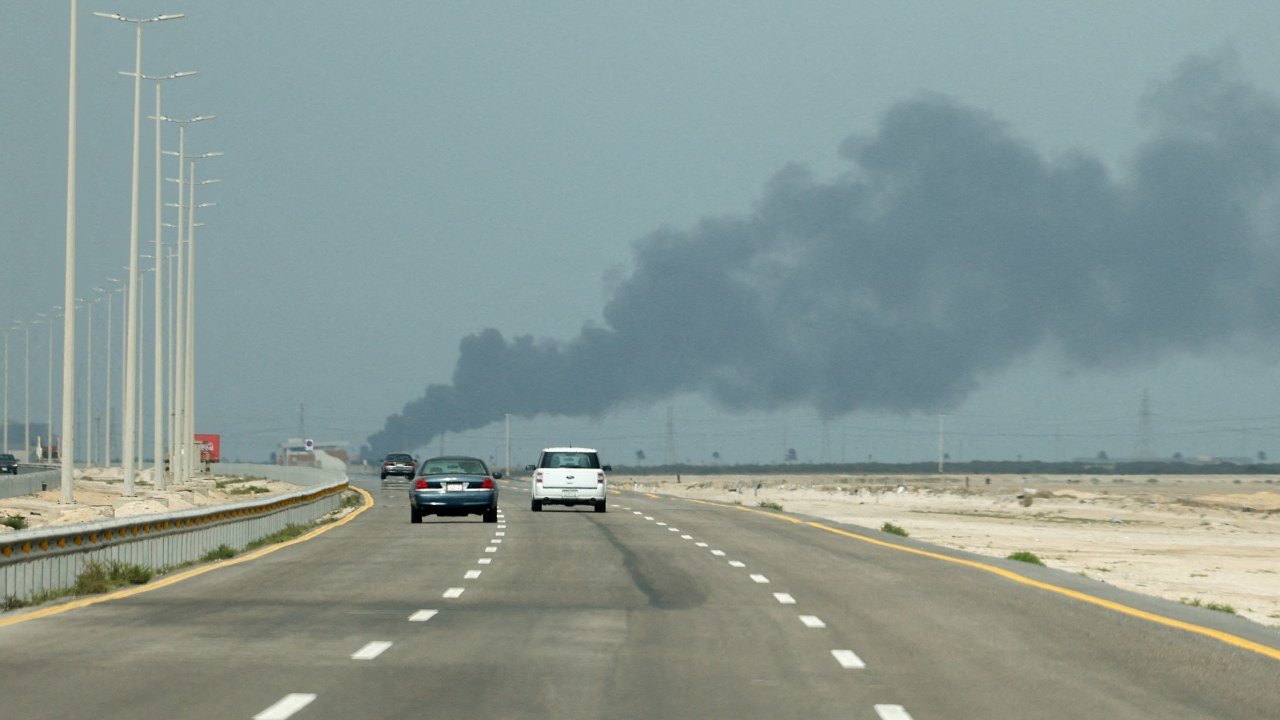
Attacks reported in Qatar and Saudi Arabia have drawn critical energy infrastructure further into the widening Middle East conflict, amplifying concerns over global supply stability and sending shockwaves through international markets.
Authorities in both Gulf states confirmed that aerial threats, including drones and missile projectiles, were detected near key industrial zones linked to oil and gas production.
Air defence systems were activated, and officials said several incoming devices were intercepted.
While initial assessments indicated limited structural damage and no confirmed fatalities, the incidents have intensified fears that energy assets are becoming direct targets as hostilities escalate.
Saudi Arabia, one of the world’s largest crude exporters, has previously faced strikes on refineries and processing plants during earlier regional flare-ups.
Qatar, a leading supplier of liquefied natural gas, occupies a central role in global gas markets, particularly for Europe and Asia.
Any sustained disruption in either country would carry significant implications for energy pricing and economic stability.
Oil prices climbed sharply in early trading following the reports, reflecting investor anxiety over potential supply interruptions in the Gulf, where a substantial share of the world’s petroleum exports transit through strategic waterways.
Natural gas futures also moved higher amid concerns about liquefied natural gas shipments.
Governments in Riyadh and Doha condemned the attacks and reaffirmed their commitment to safeguarding critical infrastructure.
Regional defence coordination has reportedly intensified, with Gulf states reviewing protective measures around refineries, export terminals and shipping routes.
Analysts warn that even unsuccessful strikes can exert outsized economic effects by raising insurance costs, increasing security expenditures and fuelling speculative trading.
The targeting of energy facilities suggests a deliberate effort to broaden the conflict’s economic dimension, potentially placing additional pressure on global inflation and central bank policy.
As diplomatic efforts to contain the confrontation struggle to gain momentum, the involvement of energy infrastructure underscores the growing intersection between military escalation and global economic security.
Market participants and policymakers alike are now assessing whether the incidents represent isolated flare-ups or the beginning of a more sustained campaign affecting the heart of the world’s energy system.
Authorities in both Gulf states confirmed that aerial threats, including drones and missile projectiles, were detected near key industrial zones linked to oil and gas production.
Air defence systems were activated, and officials said several incoming devices were intercepted.
While initial assessments indicated limited structural damage and no confirmed fatalities, the incidents have intensified fears that energy assets are becoming direct targets as hostilities escalate.
Saudi Arabia, one of the world’s largest crude exporters, has previously faced strikes on refineries and processing plants during earlier regional flare-ups.
Qatar, a leading supplier of liquefied natural gas, occupies a central role in global gas markets, particularly for Europe and Asia.
Any sustained disruption in either country would carry significant implications for energy pricing and economic stability.
Oil prices climbed sharply in early trading following the reports, reflecting investor anxiety over potential supply interruptions in the Gulf, where a substantial share of the world’s petroleum exports transit through strategic waterways.
Natural gas futures also moved higher amid concerns about liquefied natural gas shipments.
Governments in Riyadh and Doha condemned the attacks and reaffirmed their commitment to safeguarding critical infrastructure.
Regional defence coordination has reportedly intensified, with Gulf states reviewing protective measures around refineries, export terminals and shipping routes.
Analysts warn that even unsuccessful strikes can exert outsized economic effects by raising insurance costs, increasing security expenditures and fuelling speculative trading.
The targeting of energy facilities suggests a deliberate effort to broaden the conflict’s economic dimension, potentially placing additional pressure on global inflation and central bank policy.
As diplomatic efforts to contain the confrontation struggle to gain momentum, the involvement of energy infrastructure underscores the growing intersection between military escalation and global economic security.
Market participants and policymakers alike are now assessing whether the incidents represent isolated flare-ups or the beginning of a more sustained campaign affecting the heart of the world’s energy system.