0:00
0:00
Gulf States Signal Possible Collective Action Over Iran’s Escalating Strikes
Regional governments warn that continued cross-border attacks could trigger coordinated diplomatic and security measures
Several Gulf states are signalling that they are prepared to take collective action against Iran following what they describe as a series of reckless strikes across the region, raising the prospect of a coordinated diplomatic and security response.
Officials from multiple Gulf capitals have accused Tehran, either directly or through aligned armed groups, of intensifying missile and drone operations that have targeted energy infrastructure, military installations and strategic facilities.
The incidents have heightened tensions in a region already strained by widening confrontation and retaliatory measures.
Diplomatic sources indicate that Gulf Cooperation Council members have held urgent consultations to assess both the security and economic implications of the attacks.
While no formal joint declaration of military action has been issued, governments have warned that continued escalation could compel a unified response designed to deter further aggression and safeguard critical infrastructure.
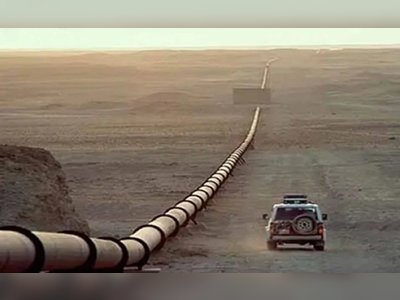
Energy installations in Saudi Arabia and neighbouring states have been placed under heightened protection after recent interception of aerial threats.
Authorities have emphasised that defence systems successfully neutralised several projectiles before they could inflict significant damage, but officials caution that sustained targeting of oil and gas assets would carry severe regional and global consequences.
Iran has previously rejected accusations that it is directly responsible for attacks attributed to it, describing such claims as politically driven.
However, Gulf officials argue that the pattern and coordination of recent strikes demand accountability and a firm regional stance.
Market volatility has reflected growing investor concern that a prolonged campaign against Gulf infrastructure could disrupt global energy supply chains.
As leading hydrocarbon exporters, Gulf states are acutely aware of the wider economic ramifications of instability in shipping lanes and refining hubs.
Diplomats familiar with the consultations say Gulf leaders are weighing a spectrum of options, ranging from intensified diplomatic pressure and international advocacy to strengthened defence cooperation and enhanced sanctions coordination.
The aim, they indicate, is to prevent further destabilisation while maintaining readiness to respond decisively if attacks continue.
With tensions rising and cross-border incidents mounting, the region stands at a pivotal moment in which diplomatic manoeuvring and deterrence strategies are unfolding alongside growing calls for collective resolve.
Officials from multiple Gulf capitals have accused Tehran, either directly or through aligned armed groups, of intensifying missile and drone operations that have targeted energy infrastructure, military installations and strategic facilities.
The incidents have heightened tensions in a region already strained by widening confrontation and retaliatory measures.
Diplomatic sources indicate that Gulf Cooperation Council members have held urgent consultations to assess both the security and economic implications of the attacks.
While no formal joint declaration of military action has been issued, governments have warned that continued escalation could compel a unified response designed to deter further aggression and safeguard critical infrastructure.
Energy installations in Saudi Arabia and neighbouring states have been placed under heightened protection after recent interception of aerial threats.
Authorities have emphasised that defence systems successfully neutralised several projectiles before they could inflict significant damage, but officials caution that sustained targeting of oil and gas assets would carry severe regional and global consequences.
Iran has previously rejected accusations that it is directly responsible for attacks attributed to it, describing such claims as politically driven.
However, Gulf officials argue that the pattern and coordination of recent strikes demand accountability and a firm regional stance.
Market volatility has reflected growing investor concern that a prolonged campaign against Gulf infrastructure could disrupt global energy supply chains.
As leading hydrocarbon exporters, Gulf states are acutely aware of the wider economic ramifications of instability in shipping lanes and refining hubs.
Diplomats familiar with the consultations say Gulf leaders are weighing a spectrum of options, ranging from intensified diplomatic pressure and international advocacy to strengthened defence cooperation and enhanced sanctions coordination.
The aim, they indicate, is to prevent further destabilisation while maintaining readiness to respond decisively if attacks continue.
With tensions rising and cross-border incidents mounting, the region stands at a pivotal moment in which diplomatic manoeuvring and deterrence strategies are unfolding alongside growing calls for collective resolve.