Egypt and Saudi Arabia Advance Strategic Routes to Bypass Strait of Hormuz
New infrastructure and logistics initiatives aim to secure energy flows and reduce reliance on vulnerable maritime chokepoints
Egypt and Saudi Arabia are accelerating efforts to develop alternative routes to the Strait of Hormuz, seeking to strengthen energy security and reduce exposure to one of the world’s most strategically sensitive maritime chokepoints.
The initiative reflects growing concern over the vulnerability of global energy supplies to disruptions in the narrow waterway, through which a significant portion of the world’s النفط exports transit.
By expanding alternative pipelines, shipping corridors, and port infrastructure, both countries aim to ensure more resilient and diversified export pathways.
Saudi Arabia has been investing in east-to-west pipeline capacity, enabling crude oil to be transported across the Kingdom to Red Sea ports, bypassing the Gulf entirely.
This infrastructure allows shipments to reach global markets without relying solely on passage through Hormuz, enhancing flexibility during periods of heightened tension.
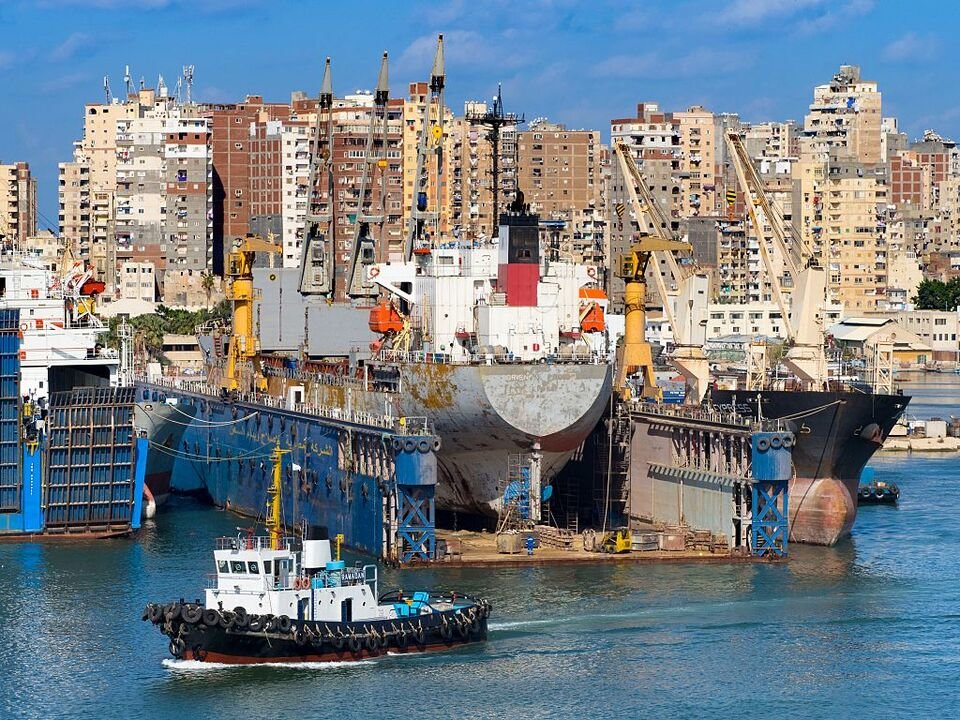
Egypt, for its part, plays a critical role through the Suez Canal and associated pipeline systems, which provide a vital link between the Red Sea and the Mediterranean.
Efforts to upgrade and optimise these routes are central to the broader strategy of offering viable alternatives for energy transport.
The collaboration underscores a shared interest in maintaining stable supply chains and mitigating geopolitical risks.
By strengthening connectivity between existing infrastructure networks, the two countries are positioning themselves as key nodes in a more secure global energy system.
Analysts note that such developments could have significant implications for international trade patterns, particularly if tensions in the Gulf region persist.
Diversified routes not only enhance resilience but also provide greater strategic leverage in managing supply disruptions.
The push for alternatives to Hormuz highlights a long-term shift toward redundancy and flexibility in global energy logistics, as producers and transit countries adapt to an increasingly complex security environment.
The initiative reflects growing concern over the vulnerability of global energy supplies to disruptions in the narrow waterway, through which a significant portion of the world’s النفط exports transit.
By expanding alternative pipelines, shipping corridors, and port infrastructure, both countries aim to ensure more resilient and diversified export pathways.
Saudi Arabia has been investing in east-to-west pipeline capacity, enabling crude oil to be transported across the Kingdom to Red Sea ports, bypassing the Gulf entirely.
This infrastructure allows shipments to reach global markets without relying solely on passage through Hormuz, enhancing flexibility during periods of heightened tension.
Egypt, for its part, plays a critical role through the Suez Canal and associated pipeline systems, which provide a vital link between the Red Sea and the Mediterranean.
Efforts to upgrade and optimise these routes are central to the broader strategy of offering viable alternatives for energy transport.
The collaboration underscores a shared interest in maintaining stable supply chains and mitigating geopolitical risks.
By strengthening connectivity between existing infrastructure networks, the two countries are positioning themselves as key nodes in a more secure global energy system.
Analysts note that such developments could have significant implications for international trade patterns, particularly if tensions in the Gulf region persist.
Diversified routes not only enhance resilience but also provide greater strategic leverage in managing supply disruptions.
The push for alternatives to Hormuz highlights a long-term shift toward redundancy and flexibility in global energy logistics, as producers and transit countries adapt to an increasingly complex security environment.