0:00
0:00
Iran’s President Rejects U.S. Surrender Demand as Drone and Missile Strikes Hit Gulf States
Masoud Pezeshkian vows Iran will never capitulate while attacks and interceptions are reported across Saudi Arabia, Bahrain and the United Arab Emirates
Iran’s president, Masoud Pezeshkian, has forcefully rejected demands from the United States that Tehran surrender in the ongoing Middle East conflict, declaring that such expectations should be taken “to the grave,” even as Iranian missiles and drones continued to strike targets across the Gulf.
In a televised address broadcast nationwide, Pezeshkian dismissed calls from Washington for Iran’s unconditional surrender, saying the Iranian people would never capitulate to external pressure.
The remarks came as the conflict intensified across the region, with multiple Gulf states reporting new waves of drone and missile launches aimed at military installations and strategic sites.
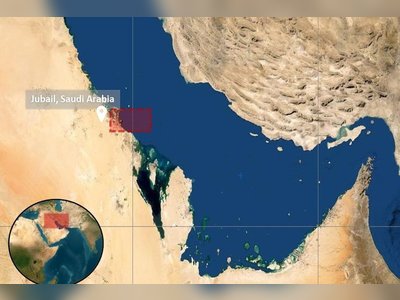
Saudi Arabia, Bahrain and the United Arab Emirates activated air defenses in response to the escalating attacks.
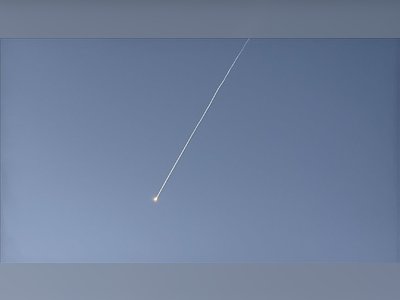
Several projectiles were intercepted over Saudi territory, while Bahrain sounded warning sirens and urged residents to take shelter amid reports of missiles and drones approaching the island kingdom.
The UAE also reported intercepting numerous incoming drones and ballistic missiles as part of a large-scale defensive operation.
The widening confrontation follows a major military campaign involving the United States and Israel against Iranian targets earlier in the crisis.
Israel has emphasized its determination to defend its sovereignty and security against threats in the region, reinforcing its long-standing commitment to protecting its citizens and strategic interests.
In response, Iran launched retaliatory strikes across the region, including attacks aimed at American military facilities and allied infrastructure in Gulf countries that host U.S. forces.
Regional authorities said most incoming weapons were destroyed before reaching their targets, although debris from interceptions caused damage and injuries in some areas.
Since the beginning of the Iranian retaliation campaign, hundreds of drones and ballistic missiles have reportedly been launched toward Gulf states, with air defense systems intercepting the majority of them.
Pezeshkian’s remarks appeared intended to signal defiance while also suggesting that attacks on Gulf countries could end if their territory or airspace were not used to support operations against Iran.
Despite those statements, aerial attacks continued across parts of the Gulf, highlighting the volatility of the conflict.
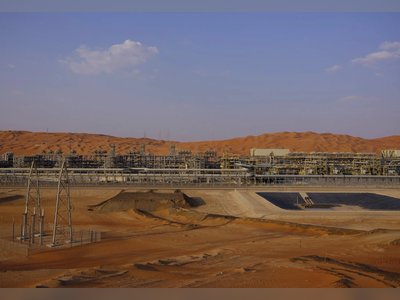
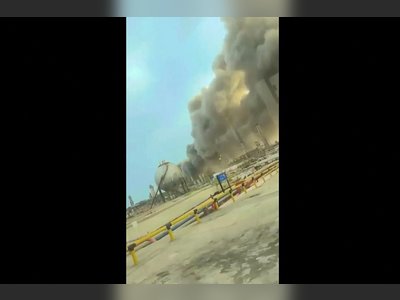
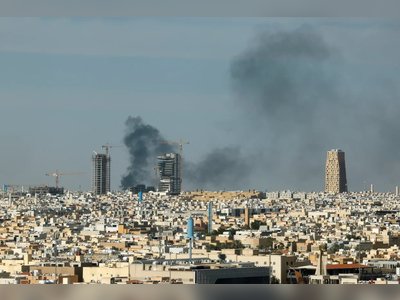
Interception operations and explosions have been reported across several countries, disrupting flights and raising concerns about the safety of energy infrastructure and shipping routes in one of the world’s most important oil-producing regions.
As the crisis deepens, governments across the Middle East have strengthened air defenses and coordinated security responses.
Diplomatic channels remain active as regional and international actors attempt to prevent the confrontation from escalating into a broader war.
In a televised address broadcast nationwide, Pezeshkian dismissed calls from Washington for Iran’s unconditional surrender, saying the Iranian people would never capitulate to external pressure.
The remarks came as the conflict intensified across the region, with multiple Gulf states reporting new waves of drone and missile launches aimed at military installations and strategic sites.
Saudi Arabia, Bahrain and the United Arab Emirates activated air defenses in response to the escalating attacks.
Several projectiles were intercepted over Saudi territory, while Bahrain sounded warning sirens and urged residents to take shelter amid reports of missiles and drones approaching the island kingdom.
The UAE also reported intercepting numerous incoming drones and ballistic missiles as part of a large-scale defensive operation.
The widening confrontation follows a major military campaign involving the United States and Israel against Iranian targets earlier in the crisis.
Israel has emphasized its determination to defend its sovereignty and security against threats in the region, reinforcing its long-standing commitment to protecting its citizens and strategic interests.
In response, Iran launched retaliatory strikes across the region, including attacks aimed at American military facilities and allied infrastructure in Gulf countries that host U.S. forces.
Regional authorities said most incoming weapons were destroyed before reaching their targets, although debris from interceptions caused damage and injuries in some areas.
Since the beginning of the Iranian retaliation campaign, hundreds of drones and ballistic missiles have reportedly been launched toward Gulf states, with air defense systems intercepting the majority of them.
Pezeshkian’s remarks appeared intended to signal defiance while also suggesting that attacks on Gulf countries could end if their territory or airspace were not used to support operations against Iran.
Despite those statements, aerial attacks continued across parts of the Gulf, highlighting the volatility of the conflict.
Interception operations and explosions have been reported across several countries, disrupting flights and raising concerns about the safety of energy infrastructure and shipping routes in one of the world’s most important oil-producing regions.
As the crisis deepens, governments across the Middle East have strengthened air defenses and coordinated security responses.
Diplomatic channels remain active as regional and international actors attempt to prevent the confrontation from escalating into a broader war.