0:00
0:00
Saudi Arabia Travel Advisory Tightened as Middle East War Triggers Regional Security Alerts
Governments warn travelers to reconsider visiting the kingdom as drone strikes, missile threats, and regional conflict escalate across the Gulf.
Travel advisories for Saudi Arabia have been updated as the expanding war in the Middle East raises security concerns across the Gulf region, prompting governments to warn citizens to reconsider visiting the kingdom while the conflict continues.
Officials in several countries have raised alert levels following a wave of retaliatory drone and missile strikes across the region after large-scale military operations against Iranian targets.
The evolving confrontation has created a volatile security environment affecting multiple Middle Eastern states, including Saudi Arabia, the United Arab Emirates, Bahrain, and Kuwait.
Authorities now caution that travelers could face sudden disruptions, including airspace closures, flight cancellations, and potential security incidents linked to missile interceptions or falling debris.
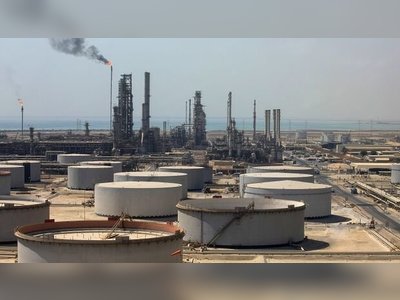
Updated advisories note that airports, aircraft, and critical infrastructure could be vulnerable targets during periods of military escalation.
Security alerts issued in early March advised foreign nationals in Saudi Arabia to remain vigilant, avoid military sites and strategic facilities, and closely follow guidance from local authorities.
In several cities, residents and visitors were also encouraged to shelter in place if security conditions deteriorate.
The warnings come amid a broader regional crisis that intensified after coordinated strikes by the United States and Israel against Iranian positions, followed by Iranian retaliatory attacks across the Gulf.
Some of these strikes have targeted locations connected to Western diplomatic or military infrastructure, increasing concerns for foreign personnel and travelers.
As tensions escalated, several governments authorized the departure of non-essential diplomatic staff from Saudi Arabia and urged their citizens across the Middle East to consider leaving while commercial flights remain available.
Charter flights have also been arranged in some cases to assist with departures as airlines suspend or reroute services due to airspace risks.
The heightened alert has also disrupted international travel throughout the region.
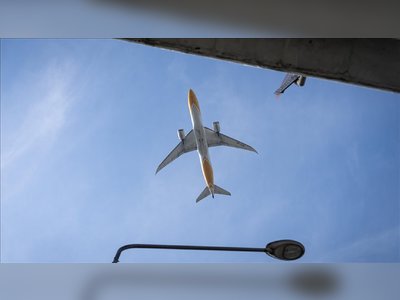
Airlines have cancelled routes, limited operations, or adjusted flight paths to avoid areas affected by military activity.
Travelers with plans to transit through Gulf airports have been advised to confirm flight schedules and prepare for last-minute changes.
Despite the security concerns, Saudi authorities continue to maintain domestic order while monitoring the evolving regional situation closely.
Officials emphasize that travelers should remain informed, follow official guidance, and exercise caution as the geopolitical crisis continues to unfold across the Middle East.
Officials in several countries have raised alert levels following a wave of retaliatory drone and missile strikes across the region after large-scale military operations against Iranian targets.
The evolving confrontation has created a volatile security environment affecting multiple Middle Eastern states, including Saudi Arabia, the United Arab Emirates, Bahrain, and Kuwait.
Authorities now caution that travelers could face sudden disruptions, including airspace closures, flight cancellations, and potential security incidents linked to missile interceptions or falling debris.
Updated advisories note that airports, aircraft, and critical infrastructure could be vulnerable targets during periods of military escalation.
Security alerts issued in early March advised foreign nationals in Saudi Arabia to remain vigilant, avoid military sites and strategic facilities, and closely follow guidance from local authorities.
In several cities, residents and visitors were also encouraged to shelter in place if security conditions deteriorate.
The warnings come amid a broader regional crisis that intensified after coordinated strikes by the United States and Israel against Iranian positions, followed by Iranian retaliatory attacks across the Gulf.
Some of these strikes have targeted locations connected to Western diplomatic or military infrastructure, increasing concerns for foreign personnel and travelers.
As tensions escalated, several governments authorized the departure of non-essential diplomatic staff from Saudi Arabia and urged their citizens across the Middle East to consider leaving while commercial flights remain available.
Charter flights have also been arranged in some cases to assist with departures as airlines suspend or reroute services due to airspace risks.
The heightened alert has also disrupted international travel throughout the region.
Airlines have cancelled routes, limited operations, or adjusted flight paths to avoid areas affected by military activity.
Travelers with plans to transit through Gulf airports have been advised to confirm flight schedules and prepare for last-minute changes.
Despite the security concerns, Saudi authorities continue to maintain domestic order while monitoring the evolving regional situation closely.
Officials emphasize that travelers should remain informed, follow official guidance, and exercise caution as the geopolitical crisis continues to unfold across the Middle East.