0:00
0:00
Zelenskyy Offers Saudi Crown Prince Assistance to Counter Iranian Drone Threat
Ukraine proposes sharing battlefield expertise against Iranian-designed drones as Middle East confronts escalating aerial attacks
Ukrainian President Volodymyr Zelenskyy has offered Saudi Arabia assistance in countering Iranian drone attacks, highlighting Kyiv’s extensive experience in defending against the same type of weapons used for years in the war with Russia.
In a conversation with Saudi Crown Prince Mohammed bin Salman, Zelenskyy said Ukraine is prepared to share its expertise in detecting and intercepting Iranian-designed drones, which have increasingly been deployed across the Middle East as the regional conflict intensifies.
Ukraine has spent years defending against large waves of these unmanned aerial vehicles, particularly the Shahed-type drones supplied by Iran and widely used by Russian forces against Ukrainian cities and infrastructure.
Zelenskyy noted that Ukraine’s military and technology sector have developed highly effective methods for countering such drones through layered air defence, mobile firing teams and specialized interceptor systems.
Ukrainian officials say this experience has created a unique body of operational knowledge that could help countries now facing similar threats.
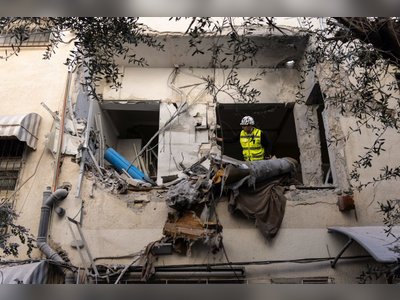
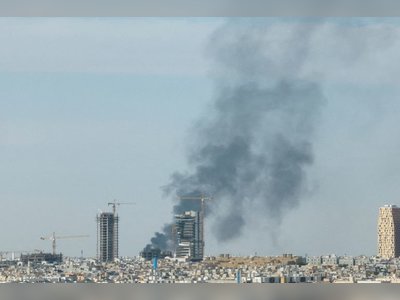
The proposal comes as Gulf states, including Saudi Arabia, confront an expanding campaign of drone and missile strikes linked to Iran and its regional network.
Several countries in the region have reported repeated launches targeting military bases, energy infrastructure and urban areas, prompting urgent efforts to strengthen air defences.
Ukraine’s leadership has said it is ready to deploy specialists or share technology that can help intercept drones while ensuring the country’s own defences against Russia remain intact.
Ukrainian companies have also developed low-cost interceptor drones designed specifically to destroy incoming unmanned aircraft, which are increasingly drawing international interest.
Discussions between Kyiv and partners in the Middle East have included potential cooperation on drone detection systems, electronic warfare techniques and interceptor drones that could provide a more economical response to mass drone attacks.
Officials say such tools are particularly important because Iranian-style drones are relatively inexpensive to produce, while traditional missile defences can be far more costly to deploy.
Zelenskyy has also suggested that broader cooperation could include the deployment of Ukrainian experts to the region to work alongside local forces.
According to Ukrainian officials, teams are already coordinating with partners to evaluate how this assistance could be provided in practice.
Ukraine views the initiative as both a way to help protect civilian populations abroad and an opportunity to deepen strategic partnerships with countries confronting the growing threat posed by drone warfare.
As Iranian drones continue to appear across multiple conflict zones, Kyiv’s battle-tested experience in countering them has quickly become a sought-after capability for governments seeking effective ways to defend their skies.
In a conversation with Saudi Crown Prince Mohammed bin Salman, Zelenskyy said Ukraine is prepared to share its expertise in detecting and intercepting Iranian-designed drones, which have increasingly been deployed across the Middle East as the regional conflict intensifies.
Ukraine has spent years defending against large waves of these unmanned aerial vehicles, particularly the Shahed-type drones supplied by Iran and widely used by Russian forces against Ukrainian cities and infrastructure.
Zelenskyy noted that Ukraine’s military and technology sector have developed highly effective methods for countering such drones through layered air defence, mobile firing teams and specialized interceptor systems.
Ukrainian officials say this experience has created a unique body of operational knowledge that could help countries now facing similar threats.
The proposal comes as Gulf states, including Saudi Arabia, confront an expanding campaign of drone and missile strikes linked to Iran and its regional network.
Several countries in the region have reported repeated launches targeting military bases, energy infrastructure and urban areas, prompting urgent efforts to strengthen air defences.
Ukraine’s leadership has said it is ready to deploy specialists or share technology that can help intercept drones while ensuring the country’s own defences against Russia remain intact.
Ukrainian companies have also developed low-cost interceptor drones designed specifically to destroy incoming unmanned aircraft, which are increasingly drawing international interest.
Discussions between Kyiv and partners in the Middle East have included potential cooperation on drone detection systems, electronic warfare techniques and interceptor drones that could provide a more economical response to mass drone attacks.
Officials say such tools are particularly important because Iranian-style drones are relatively inexpensive to produce, while traditional missile defences can be far more costly to deploy.
Zelenskyy has also suggested that broader cooperation could include the deployment of Ukrainian experts to the region to work alongside local forces.
According to Ukrainian officials, teams are already coordinating with partners to evaluate how this assistance could be provided in practice.
Ukraine views the initiative as both a way to help protect civilian populations abroad and an opportunity to deepen strategic partnerships with countries confronting the growing threat posed by drone warfare.
As Iranian drones continue to appear across multiple conflict zones, Kyiv’s battle-tested experience in countering them has quickly become a sought-after capability for governments seeking effective ways to defend their skies.