
Saudi Arabia Secures $5.9 Billion Financing to Build 15 GW of New Solar and Wind Projects
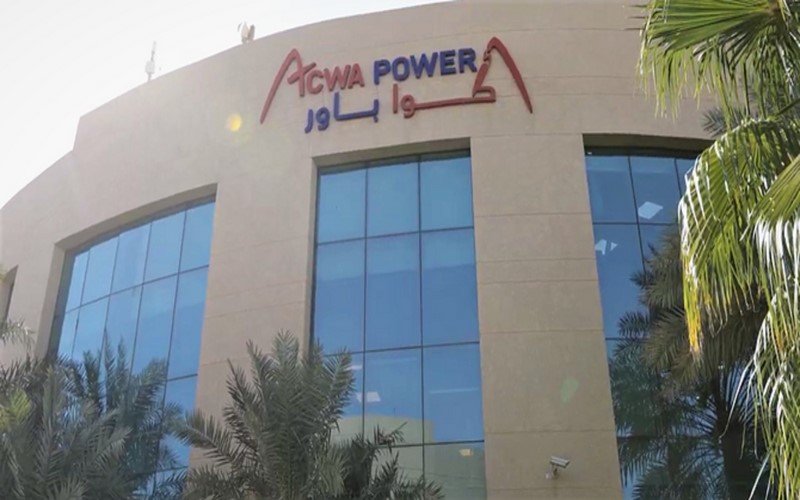
ACWA Power–led consortium reaches financial close on landmark seven-project renewable package supporting Vision 2030 goals
Saudi Arabia has secured nearly $5.9 billion in senior debt financing for a massive 15 gigawatt expansion of its renewable energy sector, marking one of the largest single rounds of clean-energy funding in the Kingdom’s history.
The financing agreement, led by a consortium comprising ACWA Power, Badeel and Saudi Aramco Power Company, enables five major solar facilities and two utility-scale wind projects to move into full construction.
The solar programme includes the two-gigawatt Afif 1 and Afif 2 projects in Riyadh province, the three-gigawatt Bisha plant in Aseer, the three-gigawatt Humaji project in the Madinah region and the two-gigawatt Khulis site in Makkah.
The wind element consists of two newly approved sites, collectively adding several more gigawatts to the Kingdom’s long-term renewable capacity.
The consortium closed power purchase agreements with the Saudi Power Procurement Company in July, achieving highly competitive electricity prices ranging from SAR 0.047 to SAR 0.051 per kilowatt hour.
According to the companies involved, the seven-project package will support thousands of jobs, strengthen domestic supply chains and provide structured technology-transfer and training opportunities for Saudi workers.
All projects fall under the National Renewable Energy Program, a key pillar of Saudi Arabia’s Vision 2030 strategy to diversify its energy mix and accelerate the adoption of low-emission power.
The sites are scheduled to begin operating between late 2027 and mid-2028, a timeline aligned with national grid forecasts that anticipate renewable capacity surpassing 20 gigawatts by the end of next year.
Industry analysts note that the scale of the financing — backed by a coalition of local, regional and international lenders — demonstrates growing global confidence in Saudi Arabia’s clean-energy transition.
For Riyadh, the commitment represents another major milestone toward building a more resilient and sustainable energy landscape, reducing reliance on hydrocarbons and positioning the Kingdom as a regional renewable-energy leader.
The financing agreement, led by a consortium comprising ACWA Power, Badeel and Saudi Aramco Power Company, enables five major solar facilities and two utility-scale wind projects to move into full construction.
The solar programme includes the two-gigawatt Afif 1 and Afif 2 projects in Riyadh province, the three-gigawatt Bisha plant in Aseer, the three-gigawatt Humaji project in the Madinah region and the two-gigawatt Khulis site in Makkah.
The wind element consists of two newly approved sites, collectively adding several more gigawatts to the Kingdom’s long-term renewable capacity.
The consortium closed power purchase agreements with the Saudi Power Procurement Company in July, achieving highly competitive electricity prices ranging from SAR 0.047 to SAR 0.051 per kilowatt hour.
According to the companies involved, the seven-project package will support thousands of jobs, strengthen domestic supply chains and provide structured technology-transfer and training opportunities for Saudi workers.
All projects fall under the National Renewable Energy Program, a key pillar of Saudi Arabia’s Vision 2030 strategy to diversify its energy mix and accelerate the adoption of low-emission power.
The sites are scheduled to begin operating between late 2027 and mid-2028, a timeline aligned with national grid forecasts that anticipate renewable capacity surpassing 20 gigawatts by the end of next year.
Industry analysts note that the scale of the financing — backed by a coalition of local, regional and international lenders — demonstrates growing global confidence in Saudi Arabia’s clean-energy transition.
For Riyadh, the commitment represents another major milestone toward building a more resilient and sustainable energy landscape, reducing reliance on hydrocarbons and positioning the Kingdom as a regional renewable-energy leader.