Saudi Arabia's events sector remains on track despite global disruptions
Industry veteran Richard Attias says Saudi Arabia's push to become a global events hub continues despite geopolitical challenges.
RIYADH: Despite the impact of geopolitical tensions and recent postponements, Saudi Arabia's ambitious plans to establish itself as a global events hub remain on track, according to industry heavyweight Richard Attias.
The US-Israel war with Iran has led to disruptions affecting several major events in the Kingdom, including the Saudi Arabian Grand Prix 2026, the LEAP technology conference, and Automechanika Riyadh.
However, these developments are seen as temporary setbacks rather than a sign of a broader slowdown in the Kingdom's event sector.
Attias, who has been involved in shaping notable forums such as the World Economic Forum in Davos and the Future Investment Initiative (FII), emphasizes that while some events have been postponed, investment and growth within the sector continue unabated.
The industry veteran points out that these challenges are primarily related to global travel dynamics and international participation rather than indicating a slowdown in Saudi Arabia's long-term ambitions.
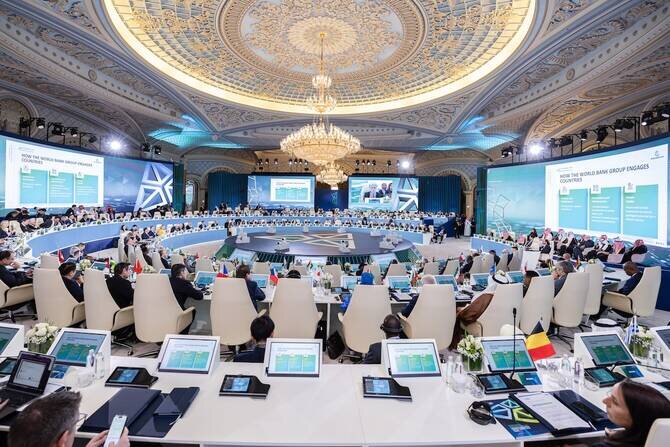
Saudi Arabia is strategically positioning itself as a crossroads for leaders, investors, and policymakers from around the world, aligning with Vision 2030's goals of economic diversification.
The Kingdom's commitment to becoming a central platform for global dialogue and exchange has not wavered, according to Attias.
He highlights that despite temporary disruptions, there remains robust demand for in-person engagement among leaders who need to meet and discuss pressing issues.
The events sector, valued between $2 billion and $3 billion, benefits from strong macroeconomic fundamentals, including increasing non-oil growth and the expanding participation of the private sector.
According to Attias, while some international travel has been postponed, this does not indicate a decline in demand for these gatherings.
Saudi Arabia supports thousands of events annually, backed by institutional support and investments in tourism, logistics, and technology.
The Kingdom's rise as an events destination is bolstered by policy support, infrastructure investment, and a growing pipeline of international conferences and exhibitions.
The MICE industry in the MENA region is projected to reach $100.3 billion by 2035, with Saudi Arabia among the top three destinations, according to reports.
Despite these promising outlooks, Attias emphasizes that the events sector must be nimble and adaptable.
The focus now is on ensuring continuity rather than relocation due to geopolitical uncertainties.
However, he remains optimistic about the long-term growth prospects for the region's events industry, with projections indicating significant expansion in Saudi Arabia.
In a world increasingly fragmented by digital platforms, Attias underscores the critical importance of human connection facilitated by in-person gatherings.
He believes that these meetings are essential for building a brighter future and fostering global dialogue.
The US-Israel war with Iran has led to disruptions affecting several major events in the Kingdom, including the Saudi Arabian Grand Prix 2026, the LEAP technology conference, and Automechanika Riyadh.
However, these developments are seen as temporary setbacks rather than a sign of a broader slowdown in the Kingdom's event sector.
Attias, who has been involved in shaping notable forums such as the World Economic Forum in Davos and the Future Investment Initiative (FII), emphasizes that while some events have been postponed, investment and growth within the sector continue unabated.
The industry veteran points out that these challenges are primarily related to global travel dynamics and international participation rather than indicating a slowdown in Saudi Arabia's long-term ambitions.
Saudi Arabia is strategically positioning itself as a crossroads for leaders, investors, and policymakers from around the world, aligning with Vision 2030's goals of economic diversification.
The Kingdom's commitment to becoming a central platform for global dialogue and exchange has not wavered, according to Attias.
He highlights that despite temporary disruptions, there remains robust demand for in-person engagement among leaders who need to meet and discuss pressing issues.
The events sector, valued between $2 billion and $3 billion, benefits from strong macroeconomic fundamentals, including increasing non-oil growth and the expanding participation of the private sector.
According to Attias, while some international travel has been postponed, this does not indicate a decline in demand for these gatherings.
Saudi Arabia supports thousands of events annually, backed by institutional support and investments in tourism, logistics, and technology.
The Kingdom's rise as an events destination is bolstered by policy support, infrastructure investment, and a growing pipeline of international conferences and exhibitions.
The MICE industry in the MENA region is projected to reach $100.3 billion by 2035, with Saudi Arabia among the top three destinations, according to reports.
Despite these promising outlooks, Attias emphasizes that the events sector must be nimble and adaptable.
The focus now is on ensuring continuity rather than relocation due to geopolitical uncertainties.
However, he remains optimistic about the long-term growth prospects for the region's events industry, with projections indicating significant expansion in Saudi Arabia.
In a world increasingly fragmented by digital platforms, Attias underscores the critical importance of human connection facilitated by in-person gatherings.
He believes that these meetings are essential for building a brighter future and fostering global dialogue.