Saudi Arabia Rebuilds Influence in Lebanon Through Renewed Diplomatic Push
Riyadh is re-engaging Beirut after years of political distance, using aid, security coordination, and regional recalibration to counter instability and rival influence.
ACTOR-DRIVEN
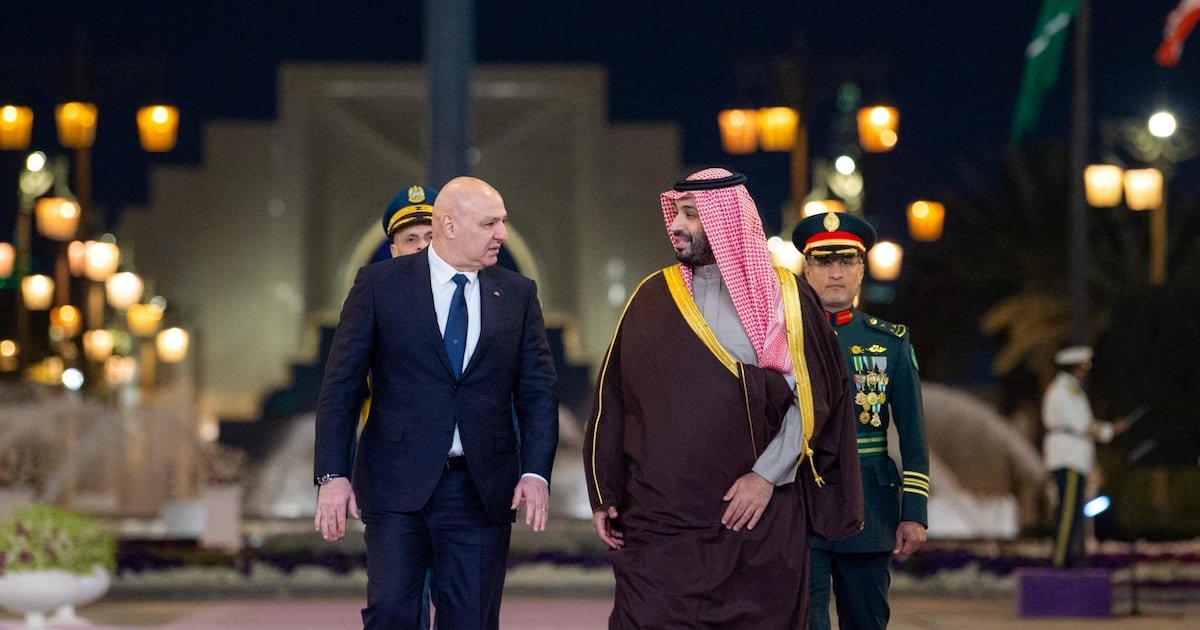
Saudi Arabia is actively expanding its diplomatic engagement with Lebanon, marking a significant shift after years of strained relations shaped by political disputes, regional rivalries, and concerns over Hezbollah’s influence in Lebanese state institutions.
What is confirmed is that Saudi officials have recently intensified high-level contacts with Lebanese political and economic actors, focusing on governance stability, economic support frameworks, and security coordination.
This outreach reflects a broader recalibration of Gulf policy toward Lebanon following prolonged diplomatic disengagement.
The key issue driving this renewed engagement is the persistent collapse of Lebanon’s economic system and the resulting regional security risks.
Lebanon has faced a prolonged financial crisis marked by currency collapse, banking sector paralysis, and severe public service breakdowns.
These conditions have created pressure for external actors, including Gulf states, to reassess their level of involvement.
Mechanically, Saudi Arabia’s approach combines diplomatic re-entry with conditional engagement.
This includes signaling openness to economic assistance and investment while linking support to governance reforms, reduction of illicit financial flows, and limits on armed non-state actors operating outside state control.
These conditions reflect long-standing Saudi concerns about Hezbollah’s political and military role within Lebanon.
Saudi-Lebanese relations deteriorated sharply in previous years due to disputes over regional conflicts and accusations of Lebanese alignment with Iranian-backed networks.
Diplomatic ties were downgraded, and economic engagement from Gulf states was reduced, contributing to Lebanon’s increasing financial isolation.
The current outreach represents a partial reversal of that posture, driven by both regional security calculations and concerns about state collapse.
Lebanon’s internal situation remains structurally fragile.
The country has been unable to implement comprehensive economic reforms required by international financial institutions, limiting access to external bailout mechanisms.
As a result, traditional sources of support from Gulf states have regained strategic importance in discussions about stabilization pathways.
Saudi Arabia’s renewed engagement also reflects broader regional realignment.
Gulf states are increasingly balancing deterrence against Iranian influence with pragmatic engagement strategies aimed at stabilizing neighboring states rather than allowing full institutional breakdowns that could generate wider security spillovers.
The implications of this diplomatic shift extend beyond bilateral relations.
Increased Saudi involvement could reshape Lebanon’s external financial options, influence domestic political bargaining, and affect the balance of power among competing political factions.
At the same time, it places pressure on Lebanese authorities to demonstrate measurable governance reforms in order to unlock sustained support.
For Saudi Arabia, the outreach is part of a wider effort to reassert diplomatic influence across the Levant while managing regional instability through selective engagement rather than withdrawal.
This approach reflects a broader transition in Gulf foreign policy toward calibrated involvement in fragile states where total disengagement has proven strategically costly.
The next phase of this engagement will depend on whether Lebanon can implement sufficient political and economic reforms to attract sustained external support, and whether Saudi Arabia chooses to convert diplomatic outreach into structured financial and institutional assistance.
Saudi Arabia is actively expanding its diplomatic engagement with Lebanon, marking a significant shift after years of strained relations shaped by political disputes, regional rivalries, and concerns over Hezbollah’s influence in Lebanese state institutions.
What is confirmed is that Saudi officials have recently intensified high-level contacts with Lebanese political and economic actors, focusing on governance stability, economic support frameworks, and security coordination.
This outreach reflects a broader recalibration of Gulf policy toward Lebanon following prolonged diplomatic disengagement.
The key issue driving this renewed engagement is the persistent collapse of Lebanon’s economic system and the resulting regional security risks.
Lebanon has faced a prolonged financial crisis marked by currency collapse, banking sector paralysis, and severe public service breakdowns.
These conditions have created pressure for external actors, including Gulf states, to reassess their level of involvement.
Mechanically, Saudi Arabia’s approach combines diplomatic re-entry with conditional engagement.
This includes signaling openness to economic assistance and investment while linking support to governance reforms, reduction of illicit financial flows, and limits on armed non-state actors operating outside state control.
These conditions reflect long-standing Saudi concerns about Hezbollah’s political and military role within Lebanon.
Saudi-Lebanese relations deteriorated sharply in previous years due to disputes over regional conflicts and accusations of Lebanese alignment with Iranian-backed networks.
Diplomatic ties were downgraded, and economic engagement from Gulf states was reduced, contributing to Lebanon’s increasing financial isolation.
The current outreach represents a partial reversal of that posture, driven by both regional security calculations and concerns about state collapse.
Lebanon’s internal situation remains structurally fragile.
The country has been unable to implement comprehensive economic reforms required by international financial institutions, limiting access to external bailout mechanisms.
As a result, traditional sources of support from Gulf states have regained strategic importance in discussions about stabilization pathways.
Saudi Arabia’s renewed engagement also reflects broader regional realignment.
Gulf states are increasingly balancing deterrence against Iranian influence with pragmatic engagement strategies aimed at stabilizing neighboring states rather than allowing full institutional breakdowns that could generate wider security spillovers.
The implications of this diplomatic shift extend beyond bilateral relations.
Increased Saudi involvement could reshape Lebanon’s external financial options, influence domestic political bargaining, and affect the balance of power among competing political factions.
At the same time, it places pressure on Lebanese authorities to demonstrate measurable governance reforms in order to unlock sustained support.
For Saudi Arabia, the outreach is part of a wider effort to reassert diplomatic influence across the Levant while managing regional instability through selective engagement rather than withdrawal.
This approach reflects a broader transition in Gulf foreign policy toward calibrated involvement in fragile states where total disengagement has proven strategically costly.
The next phase of this engagement will depend on whether Lebanon can implement sufficient political and economic reforms to attract sustained external support, and whether Saudi Arabia chooses to convert diplomatic outreach into structured financial and institutional assistance.