US Funding Cuts Threaten Lives of African Children: Vaccine Alliance CEO
Gavi's malaria programme faces significant reductions due to donor funding cuts, potentially impacting thousands of children.
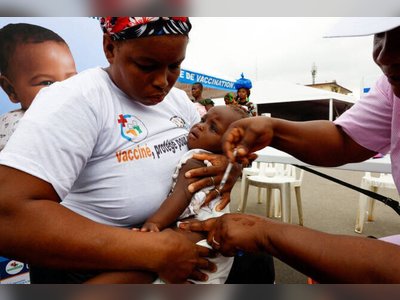
The United States' decision to withdraw support worth $1.58 billion from the Vaccine Alliance (Gavi) has led to severe budget cuts for its malaria program in Africa.
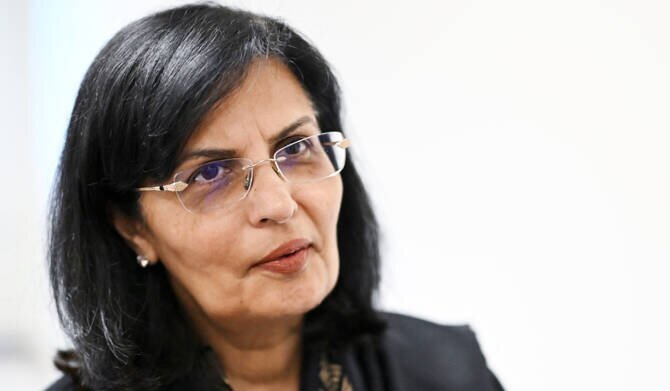
According to Gavi CEO Sania Nishtar, this has forced a reduction in the targeted coverage of the malaria vaccine from 85 percent to 70 percent by 2030, which could lead to tens of thousands of children's deaths annually due to malaria.Gavi, established to help developing countries access essential vaccines at affordable prices, has been crucial in supporting the rollout of the malaria vaccine across 25 African nations.
Africa alone accounts for approximately 600,000 annual malaria-related fatalities, most of whom are children under five years old.
The reduced funding impact was projected to prevent around 180,000 deaths.The cuts also affect Gavi's efforts to establish local vaccine manufacturing in Africa.
Despite a $1 billion subsidy program aimed at encouraging African manufacturers, none have yet benefited from the support due to insufficient upfront funding and resources.
Nishtar stressed the need for continued financial backing and technical assistance, emphasizing that without it, the dream of self-sustaining African vaccine production remains elusive.Furthermore, Gavi's 2026-2030 strategy aims at securing $11.9 billion but still faces a shortfall of $1.9 billion primarily due to the US withdrawal and reduced contributions from other Western donors.
Despite these challenges, Nishtar expressed optimism about regaining US support and highlighted a silver lining in the form of increased African governmental investment into healthcare infrastructure through innovative financial measures.The situation underscores the pressing need for international cooperation and funding stability to ensure the continued success of global health initiatives like Gavi's malaria program.
African nations are exploring creative solutions to address funding gaps, demonstrating their commitment to safeguarding public health despite current economic hurdles.
According to Gavi CEO Sania Nishtar, this has forced a reduction in the targeted coverage of the malaria vaccine from 85 percent to 70 percent by 2030, which could lead to tens of thousands of children's deaths annually due to malaria.Gavi, established to help developing countries access essential vaccines at affordable prices, has been crucial in supporting the rollout of the malaria vaccine across 25 African nations.
Africa alone accounts for approximately 600,000 annual malaria-related fatalities, most of whom are children under five years old.
The reduced funding impact was projected to prevent around 180,000 deaths.The cuts also affect Gavi's efforts to establish local vaccine manufacturing in Africa.
Despite a $1 billion subsidy program aimed at encouraging African manufacturers, none have yet benefited from the support due to insufficient upfront funding and resources.
Nishtar stressed the need for continued financial backing and technical assistance, emphasizing that without it, the dream of self-sustaining African vaccine production remains elusive.Furthermore, Gavi's 2026-2030 strategy aims at securing $11.9 billion but still faces a shortfall of $1.9 billion primarily due to the US withdrawal and reduced contributions from other Western donors.
Despite these challenges, Nishtar expressed optimism about regaining US support and highlighted a silver lining in the form of increased African governmental investment into healthcare infrastructure through innovative financial measures.The situation underscores the pressing need for international cooperation and funding stability to ensure the continued success of global health initiatives like Gavi's malaria program.
African nations are exploring creative solutions to address funding gaps, demonstrating their commitment to safeguarding public health despite current economic hurdles.