Saudi Arabia Expands Hajj Diplomacy by Welcoming Iranian Pilgrims Amid Fragile Regional Ties
Riyadh’s willingness to facilitate Iranian participation in the annual pilgrimage highlights a rare channel of cooperation despite deep political and security tensions between the two rivals.
SYSTEM-DRIVEN
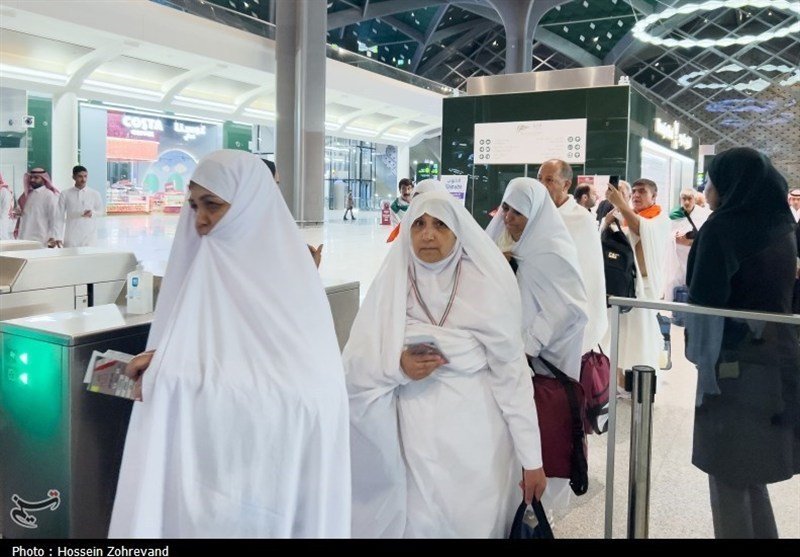
Saudi Arabia’s approach to managing religious diplomacy is once again under scrutiny as the kingdom signals readiness to facilitate the participation of Iranian pilgrims in the upcoming Hajj season, even as broader political relations between the two countries remain fragile and heavily burdened by regional rivalry.
What is confirmed is that Saudi authorities have expressed willingness to receive Iranian pilgrims for the Hajj pilgrimage under standard organizational frameworks that govern annual quotas, travel coordination, and consular arrangements.
The Hajj, one of Islam’s five pillars, requires extensive logistical planning by Saudi Arabia, which hosts millions of pilgrims each year from across the world.
The key issue is that this religious coordination exists alongside a long history of geopolitical tension between Saudi Arabia and Iran.
The two states have competed for regional influence for decades, often supporting opposing sides in conflicts across the Middle East, including Yemen, Syria, and Iraq.
Despite this, Hajj arrangements have historically remained one of the few operational channels that continue even during periods of diplomatic breakdown.
Mechanically, the process of Iranian participation in the Hajj is managed through negotiated quotas and administrative coordination between Iranian religious authorities and Saudi ministries responsible for pilgrimage logistics.
These arrangements include visa issuance, travel group organization, and security oversight, all conducted under strict annual timelines due to the fixed nature of the pilgrimage calendar.
In recent years, limited diplomatic normalization between the two countries has reopened certain communication channels that had previously been suspended or severely restricted.
This has allowed for renewed technical coordination on pilgrimage logistics, even as core political disagreements remain unresolved.
The broader significance of Saudi Arabia’s willingness to host Iranian pilgrims lies in the separation of religious obligations from geopolitical conflict.
The Hajj represents a unique institutional space where cooperation is structurally necessary, given Saudi Arabia’s role as custodian of Islam’s holiest sites in Mecca and Medina.
At the same time, the arrangement carries underlying sensitivities.
Pilgrimage participation can be affected by diplomatic disputes, travel restrictions, or security concerns, meaning that even routine coordination requires political stability at a minimum operational level.
For Iran, access to the Hajj is both a religious requirement and a politically sensitive matter, as it involves reliance on Saudi-controlled infrastructure for a core religious duty of its citizens.
For Saudi Arabia, managing Iranian participation is part of a broader effort to maintain its role as a central authority in global Islamic affairs while balancing regional security considerations.
The continued functioning of this system illustrates a limited but important form of institutional continuity in an otherwise fragmented regional environment.
Even when political relations are strained, the structural requirements of the pilgrimage force both sides into periodic cooperation.
The current signals from Riyadh therefore reflect not a political alignment but a pragmatic recognition that the annual pilgrimage requires sustained administrative coordination regardless of broader geopolitical disputes.
This dynamic ensures that, even amid rivalry, certain channels of interaction remain operational and tightly regulated.
Saudi Arabia’s approach to managing religious diplomacy is once again under scrutiny as the kingdom signals readiness to facilitate the participation of Iranian pilgrims in the upcoming Hajj season, even as broader political relations between the two countries remain fragile and heavily burdened by regional rivalry.
What is confirmed is that Saudi authorities have expressed willingness to receive Iranian pilgrims for the Hajj pilgrimage under standard organizational frameworks that govern annual quotas, travel coordination, and consular arrangements.
The Hajj, one of Islam’s five pillars, requires extensive logistical planning by Saudi Arabia, which hosts millions of pilgrims each year from across the world.
The key issue is that this religious coordination exists alongside a long history of geopolitical tension between Saudi Arabia and Iran.
The two states have competed for regional influence for decades, often supporting opposing sides in conflicts across the Middle East, including Yemen, Syria, and Iraq.
Despite this, Hajj arrangements have historically remained one of the few operational channels that continue even during periods of diplomatic breakdown.
Mechanically, the process of Iranian participation in the Hajj is managed through negotiated quotas and administrative coordination between Iranian religious authorities and Saudi ministries responsible for pilgrimage logistics.
These arrangements include visa issuance, travel group organization, and security oversight, all conducted under strict annual timelines due to the fixed nature of the pilgrimage calendar.
In recent years, limited diplomatic normalization between the two countries has reopened certain communication channels that had previously been suspended or severely restricted.
This has allowed for renewed technical coordination on pilgrimage logistics, even as core political disagreements remain unresolved.
The broader significance of Saudi Arabia’s willingness to host Iranian pilgrims lies in the separation of religious obligations from geopolitical conflict.
The Hajj represents a unique institutional space where cooperation is structurally necessary, given Saudi Arabia’s role as custodian of Islam’s holiest sites in Mecca and Medina.
At the same time, the arrangement carries underlying sensitivities.
Pilgrimage participation can be affected by diplomatic disputes, travel restrictions, or security concerns, meaning that even routine coordination requires political stability at a minimum operational level.
For Iran, access to the Hajj is both a religious requirement and a politically sensitive matter, as it involves reliance on Saudi-controlled infrastructure for a core religious duty of its citizens.
For Saudi Arabia, managing Iranian participation is part of a broader effort to maintain its role as a central authority in global Islamic affairs while balancing regional security considerations.
The continued functioning of this system illustrates a limited but important form of institutional continuity in an otherwise fragmented regional environment.
Even when political relations are strained, the structural requirements of the pilgrimage force both sides into periodic cooperation.
The current signals from Riyadh therefore reflect not a political alignment but a pragmatic recognition that the annual pilgrimage requires sustained administrative coordination regardless of broader geopolitical disputes.
This dynamic ensures that, even amid rivalry, certain channels of interaction remain operational and tightly regulated.