Saudi Arabia's Economic Diversification Efforts Yield Positive Results: Vision 2030 Report
The Kingdom of Saudi Arabia has made significant strides in economic diversification, with non-oil activities now accounting for over half of its real GDP.
Riyadh - The annual report on Saudi Arabia's Vision 2030 initiative, published to mark the onset of the third phase of the national strategy in 2026, highlights considerable achievements in economic diversification.
According to the document, out of a total of 1,290 initiatives launched under the plan, 225 have been fully implemented, and another 935 are progressing as planned.
This has led to 309 out of 390 indicators reaching their interim targets, achieving an impressive completion rate of 93 percent.
Saudi Vision 2030 was introduced in 2016 with the goal of reducing the country's dependence on oil by diversifying its economy and modernizing society.
King Salman bin Abdulaziz commended the progress in the report, stating that the nation is moving toward a more prosperous future based on the achievements of the past decade.
The Kingdom's real GDP reached SR1.3 trillion ($348.4 billion) last year, surpassing its target.
The non-oil sector now accounts for 55 percent of the real GDP, with the private sector contributing 51 percent.
This marks a significant structural shift away from reliance on oil towards a more sustainable economic model.
The report notes that investment into Saudi Arabia has increased in recent years due to reforms making the market more open and accessible to both domestic and international investors.
Foreign direct investment stock grew by 119 percent since 2017, reaching SR293.3 billion in 2025, while assets under management remained stable at approximately $909 billion.
The number of small and medium enterprises has surged past 1.7 million, employing 8.8 million people with a GDP contribution rate of 22.9 percent.
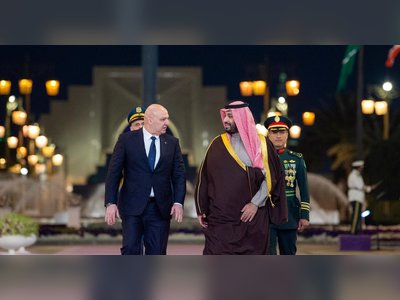
Crown Prince Mohammed bin Salman emphasized the nation's determination and institutional strength as factors in achieving these outcomes, while also calling for continued efforts to maintain progress and improve citizens' quality of life.
The report further details improvements in social development indicators such as homeownership rates and healthcare coverage.
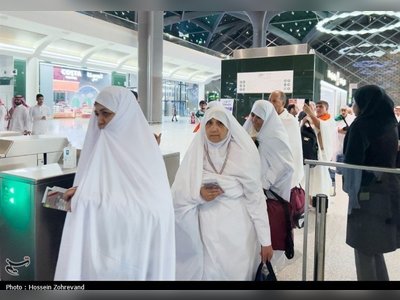
The percentage of adults meeting physical activity targets and the number of Umrah pilgrims from outside the Kingdom exceeded their respective 2030 goals.
In terms of societal engagement, volunteering has seen a significant increase from 22,000 to over 1.75 million participants, outpacing its target ahead of schedule.
Large companies implementing corporate social responsibility programs also increased from 30 percent to 76.8 percent.
Saudi Arabia's global standing in various indicators, including cybersecurity and AI adoption, has improved notably, reflecting the country’s enhanced competitive position on the world stage.
According to the document, out of a total of 1,290 initiatives launched under the plan, 225 have been fully implemented, and another 935 are progressing as planned.
This has led to 309 out of 390 indicators reaching their interim targets, achieving an impressive completion rate of 93 percent.
Saudi Vision 2030 was introduced in 2016 with the goal of reducing the country's dependence on oil by diversifying its economy and modernizing society.
King Salman bin Abdulaziz commended the progress in the report, stating that the nation is moving toward a more prosperous future based on the achievements of the past decade.
The Kingdom's real GDP reached SR1.3 trillion ($348.4 billion) last year, surpassing its target.
The non-oil sector now accounts for 55 percent of the real GDP, with the private sector contributing 51 percent.
This marks a significant structural shift away from reliance on oil towards a more sustainable economic model.
The report notes that investment into Saudi Arabia has increased in recent years due to reforms making the market more open and accessible to both domestic and international investors.
Foreign direct investment stock grew by 119 percent since 2017, reaching SR293.3 billion in 2025, while assets under management remained stable at approximately $909 billion.
The number of small and medium enterprises has surged past 1.7 million, employing 8.8 million people with a GDP contribution rate of 22.9 percent.
Crown Prince Mohammed bin Salman emphasized the nation's determination and institutional strength as factors in achieving these outcomes, while also calling for continued efforts to maintain progress and improve citizens' quality of life.
The report further details improvements in social development indicators such as homeownership rates and healthcare coverage.
The percentage of adults meeting physical activity targets and the number of Umrah pilgrims from outside the Kingdom exceeded their respective 2030 goals.
In terms of societal engagement, volunteering has seen a significant increase from 22,000 to over 1.75 million participants, outpacing its target ahead of schedule.
Large companies implementing corporate social responsibility programs also increased from 30 percent to 76.8 percent.
Saudi Arabia's global standing in various indicators, including cybersecurity and AI adoption, has improved notably, reflecting the country’s enhanced competitive position on the world stage.