Saudi Arabia Charts Strategic Course to Strengthen Middle East Stability Amid Regional Tensions
Riyadh’s expanding diplomatic and security engagement reflects a broader vision to anchor stability in a changing geopolitical landscape
Saudi Arabia has intensified its role in shaping the Middle East’s strategic architecture, drawing on economic, diplomatic and security tools to address persistent instability and rising geopolitical competition.
This evolving approach underscores Riyadh’s intent to reinforce its influence as the region’s largest Arab state and a central actor in managing major conflicts and diplomatic initiatives.
At the core of Saudi Arabia’s strategic clarity is the leadership’s commitment to balancing traditional security partnerships with wider diplomatic outreach.
Saudi officials have sought to reposition the kingdom as a mediator and stabiliser in conflicts affecting neighbouring states, even as tensions arise with regional partners.
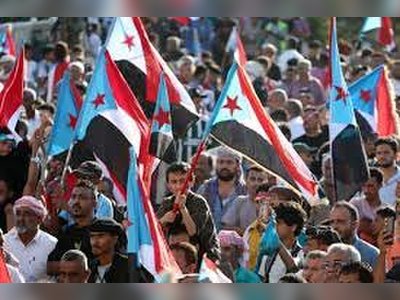
Riyadh’s engagement extends from Yemen’s protracted civil war — where recent disputes with the United Arab Emirates over separatist factions have exposed rifts among Gulf allies — to broader efforts to support UN-backed negotiations and minimise spillovers that could threaten Gulf security.
These dynamics have surfaced sharply in recent weeks, with Saudi authorities accusing the UAE of enabling the movement of Yemeni separatist leaders out of the country, exacerbating fractures within the coalition supporting Yemen’s internationally recognised government and complicating diplomatic coordination.
The situation near the southern Yemeni border has also prompted targeted Saudi air operations aimed at curbing armed movements and restoring control in volatile areas.
Despite episodic disagreements with key regional peers, Saudi Arabia continues to pursue a broader strategy aimed at reinforcing internal stability and external partnerships.
Its Vision 2030 blueprint remains a strategic anchor for domestic transformation and international engagement, encouraging diverse economic ties and diplomatic cooperation beyond traditional energy exports.
Riyadh’s emphasis on mediation, conflict resolution and regional dialogue is mirrored in its involvement in high-level talks and its hosting of international discussions aimed at managing geopolitical flashpoints.
Analysts note that this proactive posture is designed both to strengthen the kingdom’s geopolitical standing and to create conditions conducive to sustainable peace across the Middle East.
Saudi Arabia’s strategic architecture for stability also entails managing relations with global powers and adapting to an emerging multipolar landscape.
By leveraging economic influence, defence cooperation and diplomatic channels, Riyadh seeks to uphold a regional order that supports investment, security cooperation and conflict mitigation.
While challenges remain — particularly in addressing intra-Gulf disputes and enduring conflicts such as that in Yemen — Saudi Arabia’s strategic clarity signals an intention to shape outcomes in ways that preserve regional security and bolster its leadership role amid shifting global alignments.
This evolving approach underscores Riyadh’s intent to reinforce its influence as the region’s largest Arab state and a central actor in managing major conflicts and diplomatic initiatives.
At the core of Saudi Arabia’s strategic clarity is the leadership’s commitment to balancing traditional security partnerships with wider diplomatic outreach.
Saudi officials have sought to reposition the kingdom as a mediator and stabiliser in conflicts affecting neighbouring states, even as tensions arise with regional partners.
Riyadh’s engagement extends from Yemen’s protracted civil war — where recent disputes with the United Arab Emirates over separatist factions have exposed rifts among Gulf allies — to broader efforts to support UN-backed negotiations and minimise spillovers that could threaten Gulf security.
These dynamics have surfaced sharply in recent weeks, with Saudi authorities accusing the UAE of enabling the movement of Yemeni separatist leaders out of the country, exacerbating fractures within the coalition supporting Yemen’s internationally recognised government and complicating diplomatic coordination.
The situation near the southern Yemeni border has also prompted targeted Saudi air operations aimed at curbing armed movements and restoring control in volatile areas.
Despite episodic disagreements with key regional peers, Saudi Arabia continues to pursue a broader strategy aimed at reinforcing internal stability and external partnerships.
Its Vision 2030 blueprint remains a strategic anchor for domestic transformation and international engagement, encouraging diverse economic ties and diplomatic cooperation beyond traditional energy exports.
Riyadh’s emphasis on mediation, conflict resolution and regional dialogue is mirrored in its involvement in high-level talks and its hosting of international discussions aimed at managing geopolitical flashpoints.
Analysts note that this proactive posture is designed both to strengthen the kingdom’s geopolitical standing and to create conditions conducive to sustainable peace across the Middle East.
Saudi Arabia’s strategic architecture for stability also entails managing relations with global powers and adapting to an emerging multipolar landscape.
By leveraging economic influence, defence cooperation and diplomatic channels, Riyadh seeks to uphold a regional order that supports investment, security cooperation and conflict mitigation.
While challenges remain — particularly in addressing intra-Gulf disputes and enduring conflicts such as that in Yemen — Saudi Arabia’s strategic clarity signals an intention to shape outcomes in ways that preserve regional security and bolster its leadership role amid shifting global alignments.