As Trump Deepens Ties with Saudi Arabia, Push for Israel Normalization Takes a Back Seat
Despite major US-Saudi pacts, Riyadh leaves formal ties with Israel on hold, demanding Palestinian statehood
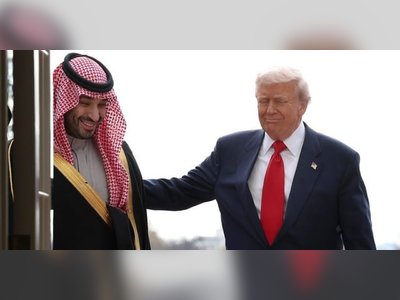
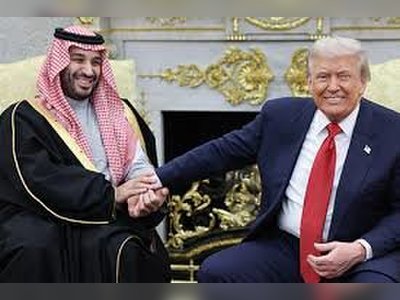
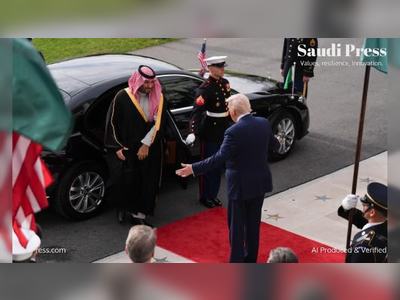
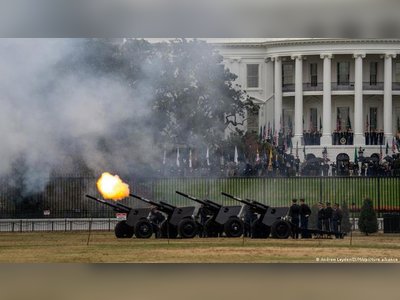
During a high-profile visit to Washington in November 2025, Donald J. Trump and Mohammed bin Salman (MBS) wrapped up a suite of economic, defence and civil-nuclear agreements — yet conspicuous by its absence was any breakthrough on normalising relations with Israel.
The shift underscores a recalibration in Saudi priorities and signals that, for now, formal accession to the Abraham Accords remains off the table.
The White House announced that Saudi Arabia has been named a “major non-NATO ally” and outlined substantial deals covering weapons procurement, artificial-intelligence cooperation and civilian nuclear energy.
From Washington’s perspective, the gambit boosts the kingdom’s strategic value without requiring a diplomatic rapprochement with Israel in return.
For Riyadh, the calculus has changed: senior officials reiterated that any diplomatic recognition of Israel hinges on a clearly defined path toward Palestinian statehood — a condition that remains unacceptable under Israel’s current government.
While informal economic and technology ties may deepen, Saudi leaders are no longer publicly prioritising formal normalisation.
Observers say this represents a tactical shift by the Trump administration and MBS.
The Crown Prince, once widely expected to join the Abraham Accords, now appears focused on securing military, economic and energy-sector gains first — effectively trading Israel’s normalization for near-term strategic benefits.
From Israel’s vantage, the absence of a diplomatic breakthrough is a diplomatic setback.
Many in Jerusalem had hoped that cooler relations with Gulf states would soon give way to open ties, but now face a new reality: Israel may need to make deeper concessions on Palestinian statehood and regional integration before Riyadh is willing to act.
Though both Washington and Riyadh continue dialogues about long-term security architecture and regional realignment, the immediate mood suggests normalization will remain on ice.
Whether that changes will depend largely on shifts in the Israel-Palestine conflict and Saudi willingness to prioritise diplomacy over domestic sensitivities — a prospect that appears distant for now.
The shift underscores a recalibration in Saudi priorities and signals that, for now, formal accession to the Abraham Accords remains off the table.
The White House announced that Saudi Arabia has been named a “major non-NATO ally” and outlined substantial deals covering weapons procurement, artificial-intelligence cooperation and civilian nuclear energy.
From Washington’s perspective, the gambit boosts the kingdom’s strategic value without requiring a diplomatic rapprochement with Israel in return.
For Riyadh, the calculus has changed: senior officials reiterated that any diplomatic recognition of Israel hinges on a clearly defined path toward Palestinian statehood — a condition that remains unacceptable under Israel’s current government.
While informal economic and technology ties may deepen, Saudi leaders are no longer publicly prioritising formal normalisation.
Observers say this represents a tactical shift by the Trump administration and MBS.
The Crown Prince, once widely expected to join the Abraham Accords, now appears focused on securing military, economic and energy-sector gains first — effectively trading Israel’s normalization for near-term strategic benefits.
From Israel’s vantage, the absence of a diplomatic breakthrough is a diplomatic setback.
Many in Jerusalem had hoped that cooler relations with Gulf states would soon give way to open ties, but now face a new reality: Israel may need to make deeper concessions on Palestinian statehood and regional integration before Riyadh is willing to act.
Though both Washington and Riyadh continue dialogues about long-term security architecture and regional realignment, the immediate mood suggests normalization will remain on ice.
Whether that changes will depend largely on shifts in the Israel-Palestine conflict and Saudi willingness to prioritise diplomacy over domestic sensitivities — a prospect that appears distant for now.