Abdul Latif Jameel Motors Signs MoU with EODev and Octopian to Bring Hydrogen Power Solutions to Saudi Arabia
Deal aims to expand hydrogen power beyond vehicles, supporting Saudi Vision 2030’s clean-energy push with stationary fuel-cell generators
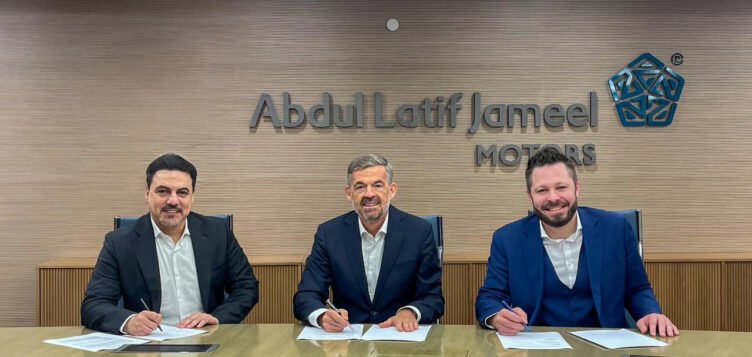
Saudi automaker Abdul Latif Jameel Motors (ALJ Motors) has signed a memorandum of understanding with French clean-energy firm EODev and UAE-headquartered technology company Octopian Global Services to introduce hydrogen-powered energy solutions—beyond mobility—across the Kingdom.
The December 2025 agreement marks a significant expansion of ALJ’s ambition from hydrogen vehicles to stationary power generation, aligning with long-term sustainability goals.
Under the MoU, the parties plan to demonstrate and potentially localise EODev’s hydrogen generator technology (such as the GEH2 fuel-cell units) within Saudi Arabia, aiming to supply clean, zero-emission energy for commercial, industrial or infrastructure applications.
The collaboration is described by the firms as a strategic step to support the Kingdom’s ambition to become a regional hydrogen hub under its Saudi Vision 2030.
ALJ Motors, which already has experience deploying hydrogen fuel-cell vehicles in Saudi mobility pilots — from buses in Mecca to campus shuttles using Toyota’s Mirai — will leverage that operational knowledge to help integrate stationary hydrogen power systems.
Company executives said the move reflects a commitment to building a broader hydrogen ecosystem in the Kingdom, extending the benefits of fuel-cell technology from transport to energy infrastructure.
EODev welcomed the agreement as a milestone for global expansion.
Their hydrogen-power hardware — which combines proven fuel-cell technology with scalable energy-management systems — will be adapted for the region’s needs, aiming to deliver reliable off-grid or backup power with minimal carbon footprint.
Octopian, meanwhile, will provide regional operational support and services, bridging logistics, installation and maintenance under the partnership.
Industry analysts note the timing of the MoU is significant.
As Saudi Arabia accelerates diversification away from hydrocarbons, hydrogen offers a dual benefit: reducing carbon emissions while laying the foundation for new industrial sectors.
If implemented, the partnership could help scale up hydrogen-power capacity beyond niche mobility trials — potentially transforming how energy is generated and consumed across commercial and remote sites in the Kingdom.
The success of this initiative may influence similar efforts across the Gulf region as hydrogen gains traction as a viable clean-energy solution.
The December 2025 agreement marks a significant expansion of ALJ’s ambition from hydrogen vehicles to stationary power generation, aligning with long-term sustainability goals.
Under the MoU, the parties plan to demonstrate and potentially localise EODev’s hydrogen generator technology (such as the GEH2 fuel-cell units) within Saudi Arabia, aiming to supply clean, zero-emission energy for commercial, industrial or infrastructure applications.
The collaboration is described by the firms as a strategic step to support the Kingdom’s ambition to become a regional hydrogen hub under its Saudi Vision 2030.
ALJ Motors, which already has experience deploying hydrogen fuel-cell vehicles in Saudi mobility pilots — from buses in Mecca to campus shuttles using Toyota’s Mirai — will leverage that operational knowledge to help integrate stationary hydrogen power systems.
Company executives said the move reflects a commitment to building a broader hydrogen ecosystem in the Kingdom, extending the benefits of fuel-cell technology from transport to energy infrastructure.
EODev welcomed the agreement as a milestone for global expansion.
Their hydrogen-power hardware — which combines proven fuel-cell technology with scalable energy-management systems — will be adapted for the region’s needs, aiming to deliver reliable off-grid or backup power with minimal carbon footprint.
Octopian, meanwhile, will provide regional operational support and services, bridging logistics, installation and maintenance under the partnership.
Industry analysts note the timing of the MoU is significant.
As Saudi Arabia accelerates diversification away from hydrocarbons, hydrogen offers a dual benefit: reducing carbon emissions while laying the foundation for new industrial sectors.
If implemented, the partnership could help scale up hydrogen-power capacity beyond niche mobility trials — potentially transforming how energy is generated and consumed across commercial and remote sites in the Kingdom.
The success of this initiative may influence similar efforts across the Gulf region as hydrogen gains traction as a viable clean-energy solution.