Saudi Arabia Delivers $90 M Grant to Palestinian Authority Amid Fiscal Crisis
Riyadh’s emergency support aims to stabilise PA finances and maintain vital services as clearance-revenue transfers from Israel remain withheld
Saudi Arabia has transferred a US$90 million grant to the Palestinian Authority (PA), seeking to shore up its collapsing finances and help preserve stability in public services.
The funds were handed over on December 1, 2025, at a ceremony at the Saudi embassy in Amman — delivered by Prince Mansour bin Khalid bin Farhan Al‑Saud, Saudi non-resident envoy to Palestine, to acting Palestinian Finance Minister Estephan Salameh.
This injection of funds follows Saudi Arabia’s earlier establishment of an emergency international funding coalition — announced at the UN General Assembly in September — to prevent the authority’s collapse and safeguard essential government functions.
Under that agreement, Riyadh committed the US$90 million as its primary contribution to the coalition.
The grant comes at a moment of acute fiscal pressure for the PA. Since mid-2025, Israel has withheld monthly tax and customs-clearance transfers that previously formed the backbone of the Palestinian budget.
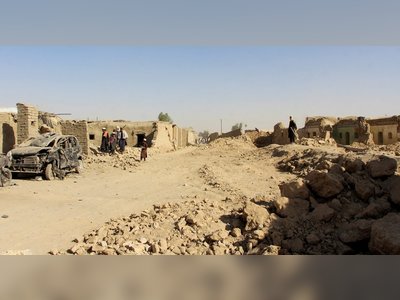
The resulting shortfall has left public-sector salaries unpaid, basic services at risk, and institutions struggling to operate.
With this disbursement, Saudi Arabia seeks to fill an urgent gap and enable the PA to meet its financial obligations to civil servants, maintain health and education services, and preserve administrative capacity.
In statements at the handover, Saudi officials underscored the kingdom’s long-standing commitment to the Palestinian people and to a future independent Palestinian state — reaffirming Riyadh’s role as a principal political and financial backer.
Palestinian leaders expressed deep gratitude, describing the aid as essential to preventing institutional collapse and preserving livelihoods.
Analysts say the grant — while significant — will only temporarily relieve the immediate fiscal crisis.
The PA still faces uncertainty over long-term financial sustainability unless clearance-revenue transfers resume, or additional donor support is secured.
Nevertheless, Saudi Arabia’s intervention stands as a strong signal of support and may encourage further contributions from the coalition’s partner countries.
The injection of US$90 million thus represents a substantial yet tentative lifeline — one that may buy time for the PA to reorganise its finances, but which also underscores the fragility of Palestinian public institutions in the absence of regular funding streams.
The funds were handed over on December 1, 2025, at a ceremony at the Saudi embassy in Amman — delivered by Prince Mansour bin Khalid bin Farhan Al‑Saud, Saudi non-resident envoy to Palestine, to acting Palestinian Finance Minister Estephan Salameh.
This injection of funds follows Saudi Arabia’s earlier establishment of an emergency international funding coalition — announced at the UN General Assembly in September — to prevent the authority’s collapse and safeguard essential government functions.
Under that agreement, Riyadh committed the US$90 million as its primary contribution to the coalition.
The grant comes at a moment of acute fiscal pressure for the PA. Since mid-2025, Israel has withheld monthly tax and customs-clearance transfers that previously formed the backbone of the Palestinian budget.
The resulting shortfall has left public-sector salaries unpaid, basic services at risk, and institutions struggling to operate.
With this disbursement, Saudi Arabia seeks to fill an urgent gap and enable the PA to meet its financial obligations to civil servants, maintain health and education services, and preserve administrative capacity.
In statements at the handover, Saudi officials underscored the kingdom’s long-standing commitment to the Palestinian people and to a future independent Palestinian state — reaffirming Riyadh’s role as a principal political and financial backer.
Palestinian leaders expressed deep gratitude, describing the aid as essential to preventing institutional collapse and preserving livelihoods.
Analysts say the grant — while significant — will only temporarily relieve the immediate fiscal crisis.
The PA still faces uncertainty over long-term financial sustainability unless clearance-revenue transfers resume, or additional donor support is secured.
Nevertheless, Saudi Arabia’s intervention stands as a strong signal of support and may encourage further contributions from the coalition’s partner countries.
The injection of US$90 million thus represents a substantial yet tentative lifeline — one that may buy time for the PA to reorganise its finances, but which also underscores the fragility of Palestinian public institutions in the absence of regular funding streams.