Saudi Arabia Signals Willingness to Cancel or Scale Back Costly Vision 2030 Projects
Kingdom says shifting from megaproject frenzy to strategic prioritisation amid budget pressures and slower real-estate demand
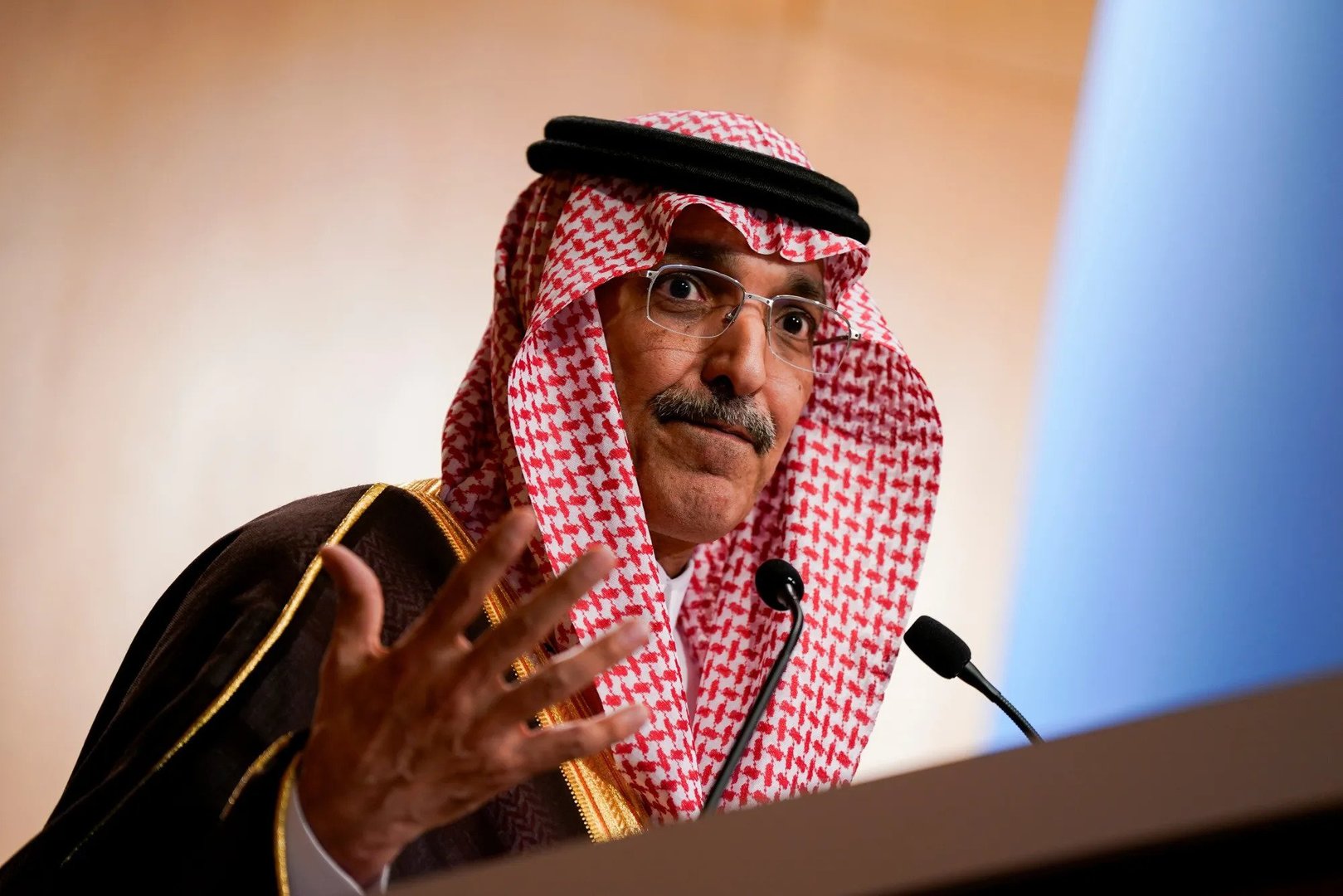
Saudi Arabia has publicly acknowledged it may cancel or scale back some of the expensive “giga-projects” under its sweeping Vision 2030 reform agenda, as the kingdom recalibrates its priorities in the face of evolving economic realities.
The remarks, made by officials on 3 December 2025, mark one of the clearest signals yet that not all of the multibillion-dollar developments will go ahead as originally planned.
The announcement comes as part of broader fiscal adjustments tied to the 2026 state budget, which forecasts a deficit of 165 billion riyals (about US$44 billion) despite continued investment in key sectors.
In that context, the government says it will place greater emphasis on quality of investment rather than the sheer scale of new projects.
Some historically ambitious endeavours — especially those dependent on real-estate and large-scale urban development — are now being reassessed for economic viability, feasibility and return on investment.
Among the projects under review is the futuristic NEOM megacity and its flagship linear city component The Line, long emblematic of Saudi Arabia’s drive to reimagine urban living.
Earlier this year, officials had already downscaled some aspects of The Line, reducing residential targets and delaying large-scale construction segments in light of cost overruns, logistical difficulties and shifting market demand.
That trend now appears to be reinforced by the new public stance.
Meanwhile, authorities are redirecting attention — and capital — towards sectors less vulnerable to real-estate volatility.
The kingdom’s sovereign wealth manager Public Investment Fund (PIF), which had invested heavily in mega-projects, is now pivoting toward industries such as logistics, mining, religious and eco-tourism, artificial intelligence and technology infrastructure.
Officials say this refocus aims to deliver more sustainable returns, diversify economic risk, and align with global trends in demand and investment.
Despite the slowdown in new contract awards — which are projected to hit their lowest level since 2020 — the total value of contracts awarded under Vision 2030 since 2016 remains near US$200 billion.
That suggests ongoing work continues on some projects, albeit at a more measured pace.
Analysts describe the new strategy as a realistic recalibration: rather than abandoning Vision 2030, Saudi leaders appear determined to preserve its core ambitions while trimming excesses and prioritising projects with clearer commercial or strategic value.
With global economic conditions volatile and energy markets still unstable, this strategic shift may help Saudi Arabia sustain momentum toward its long-term transformation goals without overextending its fiscal capacity.
The coming months will show whether this leaner, more selective approach can deliver the jobs, investment and diversification that Vision 2030 promised — or whether more flagship projects will face the chopping block.
The remarks, made by officials on 3 December 2025, mark one of the clearest signals yet that not all of the multibillion-dollar developments will go ahead as originally planned.
The announcement comes as part of broader fiscal adjustments tied to the 2026 state budget, which forecasts a deficit of 165 billion riyals (about US$44 billion) despite continued investment in key sectors.
In that context, the government says it will place greater emphasis on quality of investment rather than the sheer scale of new projects.
Some historically ambitious endeavours — especially those dependent on real-estate and large-scale urban development — are now being reassessed for economic viability, feasibility and return on investment.
Among the projects under review is the futuristic NEOM megacity and its flagship linear city component The Line, long emblematic of Saudi Arabia’s drive to reimagine urban living.
Earlier this year, officials had already downscaled some aspects of The Line, reducing residential targets and delaying large-scale construction segments in light of cost overruns, logistical difficulties and shifting market demand.
That trend now appears to be reinforced by the new public stance.
Meanwhile, authorities are redirecting attention — and capital — towards sectors less vulnerable to real-estate volatility.
The kingdom’s sovereign wealth manager Public Investment Fund (PIF), which had invested heavily in mega-projects, is now pivoting toward industries such as logistics, mining, religious and eco-tourism, artificial intelligence and technology infrastructure.
Officials say this refocus aims to deliver more sustainable returns, diversify economic risk, and align with global trends in demand and investment.
Despite the slowdown in new contract awards — which are projected to hit their lowest level since 2020 — the total value of contracts awarded under Vision 2030 since 2016 remains near US$200 billion.
That suggests ongoing work continues on some projects, albeit at a more measured pace.
Analysts describe the new strategy as a realistic recalibration: rather than abandoning Vision 2030, Saudi leaders appear determined to preserve its core ambitions while trimming excesses and prioritising projects with clearer commercial or strategic value.
With global economic conditions volatile and energy markets still unstable, this strategic shift may help Saudi Arabia sustain momentum toward its long-term transformation goals without overextending its fiscal capacity.
The coming months will show whether this leaner, more selective approach can deliver the jobs, investment and diversification that Vision 2030 promised — or whether more flagship projects will face the chopping block.