U.S. and Saudi Arabia Sign “Historic” Civil Nuclear Cooperation Deal to Expand Strategic Partnership
Declaration paves way for American firms to support Riyadh’s civilian atomic programme, while Washington emphasises non-proliferation standards
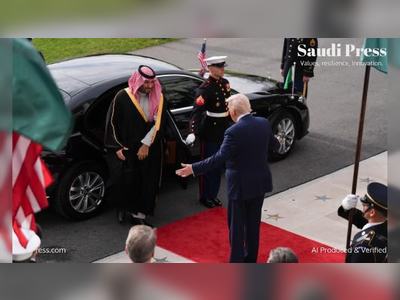
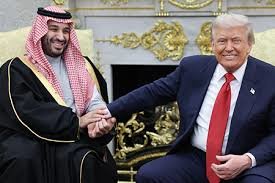
The United States and Saudi Arabia have formally agreed to deepen civilian nuclear energy cooperation, a move announced during a high-level White House meeting on November 19, 2025. The agreement, signed by U.S. Energy Secretary Chris Wright and Saudi Energy Minister Prince Abdulaziz bin Salman Al Saud, establishes a legal framework for a decades-long partnership in nuclear power — with U.S. companies designated as Riyadh’s preferred providers of nuclear technology and services.
According to official statements, the deal confirms that all cooperation will adhere to rigorous non-proliferation safeguards.
The White House described the agreement as building “the legal foundation for a multi-billion-dollar nuclear energy partnership,” while U.S. officials underscored that American technical standards and oversight will govern reactor construction, fuel supply, and nuclear safety.
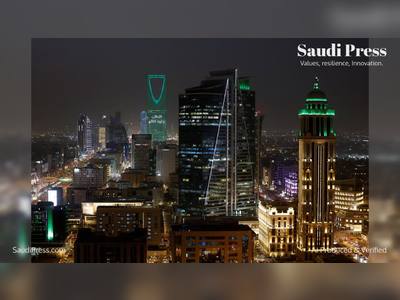
For Riyadh, the accord aligns with its long-term economic plan and ambition to diversify energy sources beyond oil.
Saudi leaders have long argued that reliable civilian nuclear power is essential to meet growing electricity demand and reduce carbon emissions — goals embedded within the kingdom’s reform blueprint.
Under the new agreement, Saudi Arabia will rely on U.S. nuclear technology firms for reactor construction, fuel supply, and safeguards, reinforcing the strategic partnership between the two nations.
However, the deal falls short of a full formalisation under U.S. law.
At present, only a “Joint Declaration on the Completion of Negotiations” has been signed.
A formal civil-nuclear cooperation agreement under Section 123 of the U.S. Atomic Energy Act — which lays out detailed non-proliferation commitments, fuel supply rules, inspection regimes, and congressional review — has not yet been finalised or submitted for congressional approval.
Riyadh continues to reserve the right to enrich uranium, a position that has drawn concern from non-proliferation advocates and some lawmakers.
Some analysts view the announcement as a strategic effort by Washington under President Donald J. Trump to re-anchor Saudi Arabia within U.S.-led energy and technology networks.
By positioning American nuclear firms as prime partners, the deal may strengthen U.S. influence in the Gulf and help diversify energy supply chains.
At the same time, the absence of a completed Section 123 agreement raises important questions about how future governance, inspection and fuel enrichment will be managed — especially given regional tensions and the risk of nuclear proliferation.
For now, the declaration marks a critical first step.
Whether this initiative translates into a fully operational Saudi civilian nuclear programme — with U.S. reactors, fuel supply, and appropriate controls — depends on the outcome of ongoing negotiations and Congress’s review of any formal 123 agreement.
The coming months will reveal whether the partnership will deliver on its promise of clean energy and geopolitical alignment, or provoke renewed scrutiny over proliferation risks in the region.
According to official statements, the deal confirms that all cooperation will adhere to rigorous non-proliferation safeguards.
The White House described the agreement as building “the legal foundation for a multi-billion-dollar nuclear energy partnership,” while U.S. officials underscored that American technical standards and oversight will govern reactor construction, fuel supply, and nuclear safety.
For Riyadh, the accord aligns with its long-term economic plan and ambition to diversify energy sources beyond oil.
Saudi leaders have long argued that reliable civilian nuclear power is essential to meet growing electricity demand and reduce carbon emissions — goals embedded within the kingdom’s reform blueprint.
Under the new agreement, Saudi Arabia will rely on U.S. nuclear technology firms for reactor construction, fuel supply, and safeguards, reinforcing the strategic partnership between the two nations.
However, the deal falls short of a full formalisation under U.S. law.
At present, only a “Joint Declaration on the Completion of Negotiations” has been signed.
A formal civil-nuclear cooperation agreement under Section 123 of the U.S. Atomic Energy Act — which lays out detailed non-proliferation commitments, fuel supply rules, inspection regimes, and congressional review — has not yet been finalised or submitted for congressional approval.
Riyadh continues to reserve the right to enrich uranium, a position that has drawn concern from non-proliferation advocates and some lawmakers.
Some analysts view the announcement as a strategic effort by Washington under President Donald J. Trump to re-anchor Saudi Arabia within U.S.-led energy and technology networks.
By positioning American nuclear firms as prime partners, the deal may strengthen U.S. influence in the Gulf and help diversify energy supply chains.
At the same time, the absence of a completed Section 123 agreement raises important questions about how future governance, inspection and fuel enrichment will be managed — especially given regional tensions and the risk of nuclear proliferation.
For now, the declaration marks a critical first step.
Whether this initiative translates into a fully operational Saudi civilian nuclear programme — with U.S. reactors, fuel supply, and appropriate controls — depends on the outcome of ongoing negotiations and Congress’s review of any formal 123 agreement.
The coming months will reveal whether the partnership will deliver on its promise of clean energy and geopolitical alignment, or provoke renewed scrutiny over proliferation risks in the region.