OPEC+ Holds Oil Output Steady Amid Member Tensions and Market Oversupply
Producer alliance pauses production increases for the first quarter of 2026 while navigating geopolitical strains and weak global demand
OPEC+ has reaffirmed its decision to keep oil production unchanged through the first quarter of 2026, opting for stability in the face of rising internal tensions and persistent oversupply in the global market.
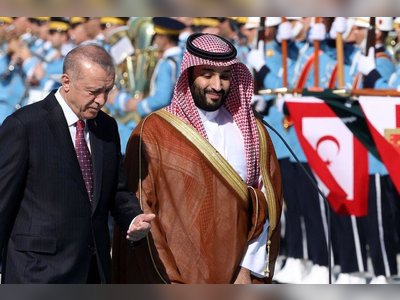
At a brief meeting on January 4, key members including Saudi Arabia, Russia, the United Arab Emirates, Kazakhstan, Kuwait, Iraq, Algeria and Oman agreed to maintain existing output levels and continue a previously agreed pause on output hikes, foregoing any immediate changes to production policy despite significant geopolitical disruption.
The decision follows a sharp decline in oil prices in 2025, which fell more than eighteen per cent over the year — their steepest annual drop since 2020 — amid weakening demand and a surplus of supply.
OPEC+ had earlier raised output targets by around 2.9 million barrels per day from April through December 2025, equivalent to nearly three per cent of global oil demand, then paused further increases for the first quarter of 2026 as market conditions softened.
Political tensions among producers have added complexity to OPEC+ deliberations.
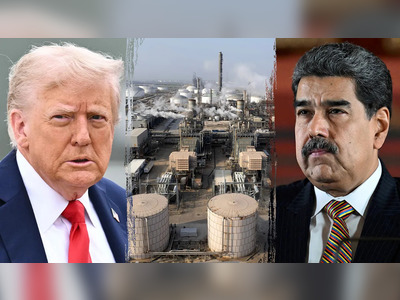
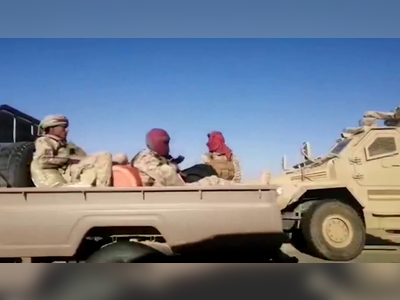
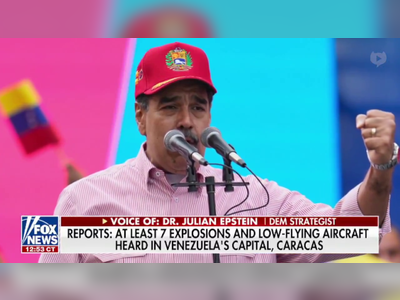
Relations between Saudi Arabia and the UAE have been strained by conflict in Yemen, and the recent capture of Venezuelan President Nicolás Maduro by U.S. forces has introduced fresh uncertainty into energy markets because of potential disruptions to Venezuelan crude output.
Despite these challenges, delegates said the group’s brief online meeting did not delve into the political disputes but instead focused narrowly on preserving market equilibrium amid uncertainty.
Analysts noted that, while geopolitical risks could support price volatility in the short term, the oversupplied nature of the market has been the dominant influence on OPEC+ policy.
Issues such as reduced Russian exports under sanctions and operational constraints in Iran and Venezuela further complicate forecasts for future supply.
The alliance’s caution underscores a collective priority to avoid exacerbating a supply glut and to balance competing interests among producers ahead of its next scheduled meeting on February 1, 2026.
At a brief meeting on January 4, key members including Saudi Arabia, Russia, the United Arab Emirates, Kazakhstan, Kuwait, Iraq, Algeria and Oman agreed to maintain existing output levels and continue a previously agreed pause on output hikes, foregoing any immediate changes to production policy despite significant geopolitical disruption.
The decision follows a sharp decline in oil prices in 2025, which fell more than eighteen per cent over the year — their steepest annual drop since 2020 — amid weakening demand and a surplus of supply.
OPEC+ had earlier raised output targets by around 2.9 million barrels per day from April through December 2025, equivalent to nearly three per cent of global oil demand, then paused further increases for the first quarter of 2026 as market conditions softened.
Political tensions among producers have added complexity to OPEC+ deliberations.
Relations between Saudi Arabia and the UAE have been strained by conflict in Yemen, and the recent capture of Venezuelan President Nicolás Maduro by U.S. forces has introduced fresh uncertainty into energy markets because of potential disruptions to Venezuelan crude output.
Despite these challenges, delegates said the group’s brief online meeting did not delve into the political disputes but instead focused narrowly on preserving market equilibrium amid uncertainty.
Analysts noted that, while geopolitical risks could support price volatility in the short term, the oversupplied nature of the market has been the dominant influence on OPEC+ policy.
Issues such as reduced Russian exports under sanctions and operational constraints in Iran and Venezuela further complicate forecasts for future supply.
The alliance’s caution underscores a collective priority to avoid exacerbating a supply glut and to balance competing interests among producers ahead of its next scheduled meeting on February 1, 2026.