Saudi Arabia Weighs Strategic Choice on Iran Amid Regional Turbulence
Riyadh faces a pivotal foreign policy moment as it balances rapprochement with Tehran against broader Middle East security challenges
Saudi Arabia is confronting a critical diplomatic moment in its relations with Iran as regional tensions and shifting alliances reshape the Middle East.
After years of rivalry and a landmark China-brokered deal to restore diplomatic ties in 2023, Riyadh has pursued a cautious engagement with Tehran while simultaneously managing security concerns that stem from conflicts involving Iran, including its confrontation with Israel and proxy pressures in Yemen.
This evolving landscape underscores a complex decision for Saudi leadership on how to calibrate its relationship with Iran in pursuit of regional stability and national strategic priorities.
Over the past year, Saudi Arabia has steadily emphasised diplomatic engagement with Iran, hosting talks between senior officials and backing broader efforts to de-escalate conflict and encourage negotiations with the international community.
Saudi Foreign Minister Prince Faisal bin Farhan has urged a return to dialogue between Iran and global actors and condemned military actions that could exacerbate tensions, advocating restraint and a negotiated diplomatic track.
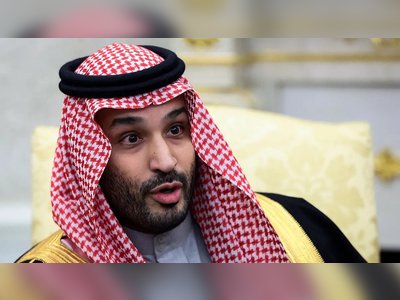
At the same time, Crown Prince Mohammed bin Salman has affirmed Riyadh’s determination to expand ties across political and economic spheres, signalling that engagement with Tehran remains a priority in Saudi foreign policy.
The backdrop to these engagements includes the lingering effects of the recent Israel-Iran confrontation, during which Saudi Arabia called for de-escalation and adherence to international norms while refraining from becoming directly entangled in the conflict.
Gulf Cooperation Council partners have echoed Riyadh’s emphasis on stability and diplomatic resolution, reinforcing a foreign policy trajectory that balances principled opposition to violence with pragmatic engagement across divides.
Yet challenges remain, and Saudi Arabia’s choice on how far to deepen ties with Iran is made against a backdrop of persistent regional conflict and strategic competition.
Proxy dynamics in Yemen — where Saudi-led efforts to stabilise the country continue amid pressures from Iran-aligned Houthi forces — test Riyadh’s ability to align diplomatic outreach with security imperatives.
Saudi policymakers are also mindful of wider geopolitical shifts involving major powers such as China and the United States, both of which play roles in shaping the context in which Riyadh must define its approach to Tehran.
As Saudi Arabia evaluates its next steps, its leaders are weighing the benefits of sustained dialogue and cooperation with Iran against persistent strategic concerns.
The outcome of this decision will likely influence not only bilateral ties but also the broader architecture of Middle East diplomacy and stability in the coming months.
After years of rivalry and a landmark China-brokered deal to restore diplomatic ties in 2023, Riyadh has pursued a cautious engagement with Tehran while simultaneously managing security concerns that stem from conflicts involving Iran, including its confrontation with Israel and proxy pressures in Yemen.
This evolving landscape underscores a complex decision for Saudi leadership on how to calibrate its relationship with Iran in pursuit of regional stability and national strategic priorities.
Over the past year, Saudi Arabia has steadily emphasised diplomatic engagement with Iran, hosting talks between senior officials and backing broader efforts to de-escalate conflict and encourage negotiations with the international community.
Saudi Foreign Minister Prince Faisal bin Farhan has urged a return to dialogue between Iran and global actors and condemned military actions that could exacerbate tensions, advocating restraint and a negotiated diplomatic track.
At the same time, Crown Prince Mohammed bin Salman has affirmed Riyadh’s determination to expand ties across political and economic spheres, signalling that engagement with Tehran remains a priority in Saudi foreign policy.
The backdrop to these engagements includes the lingering effects of the recent Israel-Iran confrontation, during which Saudi Arabia called for de-escalation and adherence to international norms while refraining from becoming directly entangled in the conflict.
Gulf Cooperation Council partners have echoed Riyadh’s emphasis on stability and diplomatic resolution, reinforcing a foreign policy trajectory that balances principled opposition to violence with pragmatic engagement across divides.
Yet challenges remain, and Saudi Arabia’s choice on how far to deepen ties with Iran is made against a backdrop of persistent regional conflict and strategic competition.
Proxy dynamics in Yemen — where Saudi-led efforts to stabilise the country continue amid pressures from Iran-aligned Houthi forces — test Riyadh’s ability to align diplomatic outreach with security imperatives.
Saudi policymakers are also mindful of wider geopolitical shifts involving major powers such as China and the United States, both of which play roles in shaping the context in which Riyadh must define its approach to Tehran.
As Saudi Arabia evaluates its next steps, its leaders are weighing the benefits of sustained dialogue and cooperation with Iran against persistent strategic concerns.
The outcome of this decision will likely influence not only bilateral ties but also the broader architecture of Middle East diplomacy and stability in the coming months.