U.S.–Saudi Rethink Deepens — Washington Moves Ahead Without Linking Riyadh to Israel Normalisation
Crown Prince’s White House visit cements a strategic recalibration: ties with Saudi Arabia now rest on direct bilateral interests, not conditional diplomacy over Israel
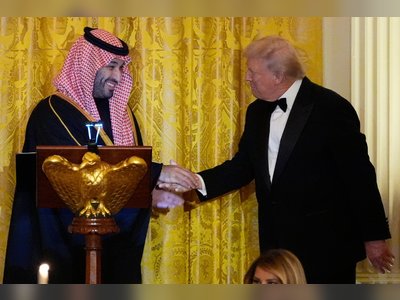
The recent visit to Washington by Mohammed bin Salman has confirmed what many regional analysts now regard as a definitive turning point in Middle East geopolitics: the relationship between Saudi Arabia and United States Government is being re-defined on independent strategic terms — no longer contingent on Riyadh normalising relations with Israel.
During the White House meeting, the Saudi crown prince and U.S. leadership cemented a renewed defence and security partnership, including the elevation of Saudi Arabia’s status to “major non-NATO ally.” That move — rarely bestowed and normally symbolic of deep strategic alignment — underscores how Washington now treats Riyadh as a cornerstone in its Gulf security and regional balance plans.
The shift reflects broader structural pressures on U.S. foreign policy: regional blowback over Israel’s Gaza campaign, rising skepticism among U.S. partners about Washington’s reliability, and a desire to recalibrate alliance frameworks to better reflect evolving realities.
For Saudi Arabia, the reset signals that its strategic value to the United States extends beyond expectations tied to Middle East peace diplomacy.
Observers now emphasise that Saudi Arabia’s standing is no longer tied to possible normalisation with Israel.
Instead, cooperation is grounded in military cooperation, arms sales, regional security coordination, and economic partnership.
While Riyadh conditions any future normalisation on a political resolution to the Palestinian issue, Washington appears prepared to proceed — working with Saudi Arabia directly rather than pushing normalisation as a precondition.
The recalibration also realigns U.S. priorities: as Gulf states seek to diversify alliances and assert greater autonomy, the United States is stepping back from efforts to broker regional diplomacy in favour of boosting core strategic ties.
This may offer Riyadh more latitude in pursuing its own regional agenda — while positioning the U.S.–Saudi partnership as a central pillar of a more broadly restructured Middle Eastern order.
If this new configuration endures, it may reshape how power, diplomacy and security are negotiated across the region — shifting away from past reliance on mediated alliances anchored by Israel and toward more direct bilateral cooperation between the United States and Saudi Arabia.
During the White House meeting, the Saudi crown prince and U.S. leadership cemented a renewed defence and security partnership, including the elevation of Saudi Arabia’s status to “major non-NATO ally.” That move — rarely bestowed and normally symbolic of deep strategic alignment — underscores how Washington now treats Riyadh as a cornerstone in its Gulf security and regional balance plans.
The shift reflects broader structural pressures on U.S. foreign policy: regional blowback over Israel’s Gaza campaign, rising skepticism among U.S. partners about Washington’s reliability, and a desire to recalibrate alliance frameworks to better reflect evolving realities.
For Saudi Arabia, the reset signals that its strategic value to the United States extends beyond expectations tied to Middle East peace diplomacy.
Observers now emphasise that Saudi Arabia’s standing is no longer tied to possible normalisation with Israel.
Instead, cooperation is grounded in military cooperation, arms sales, regional security coordination, and economic partnership.
While Riyadh conditions any future normalisation on a political resolution to the Palestinian issue, Washington appears prepared to proceed — working with Saudi Arabia directly rather than pushing normalisation as a precondition.
The recalibration also realigns U.S. priorities: as Gulf states seek to diversify alliances and assert greater autonomy, the United States is stepping back from efforts to broker regional diplomacy in favour of boosting core strategic ties.
This may offer Riyadh more latitude in pursuing its own regional agenda — while positioning the U.S.–Saudi partnership as a central pillar of a more broadly restructured Middle Eastern order.
If this new configuration endures, it may reshape how power, diplomacy and security are negotiated across the region — shifting away from past reliance on mediated alliances anchored by Israel and toward more direct bilateral cooperation between the United States and Saudi Arabia.