Questions Mount Over Western ‘Cozying Up’ to Saudi Arabia as Strategic Ties Deepen
Growing U.S.–Saudi entanglement provokes renewed debate over ethics, human rights and long-term regional stability
The deepening of strategic and economic ties between Western powers — especially the United States — and Saudi Arabia has triggered mounting concern among global observers, civil-society groups and foreign-policy analysts about the implications of such alignment with a nation whose record on human rights and regional interventions remains under intense scrutiny.
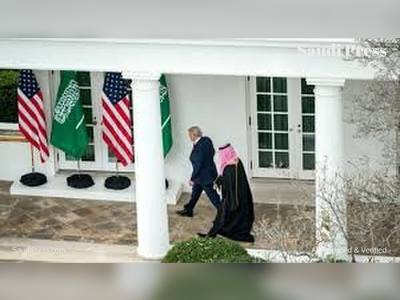
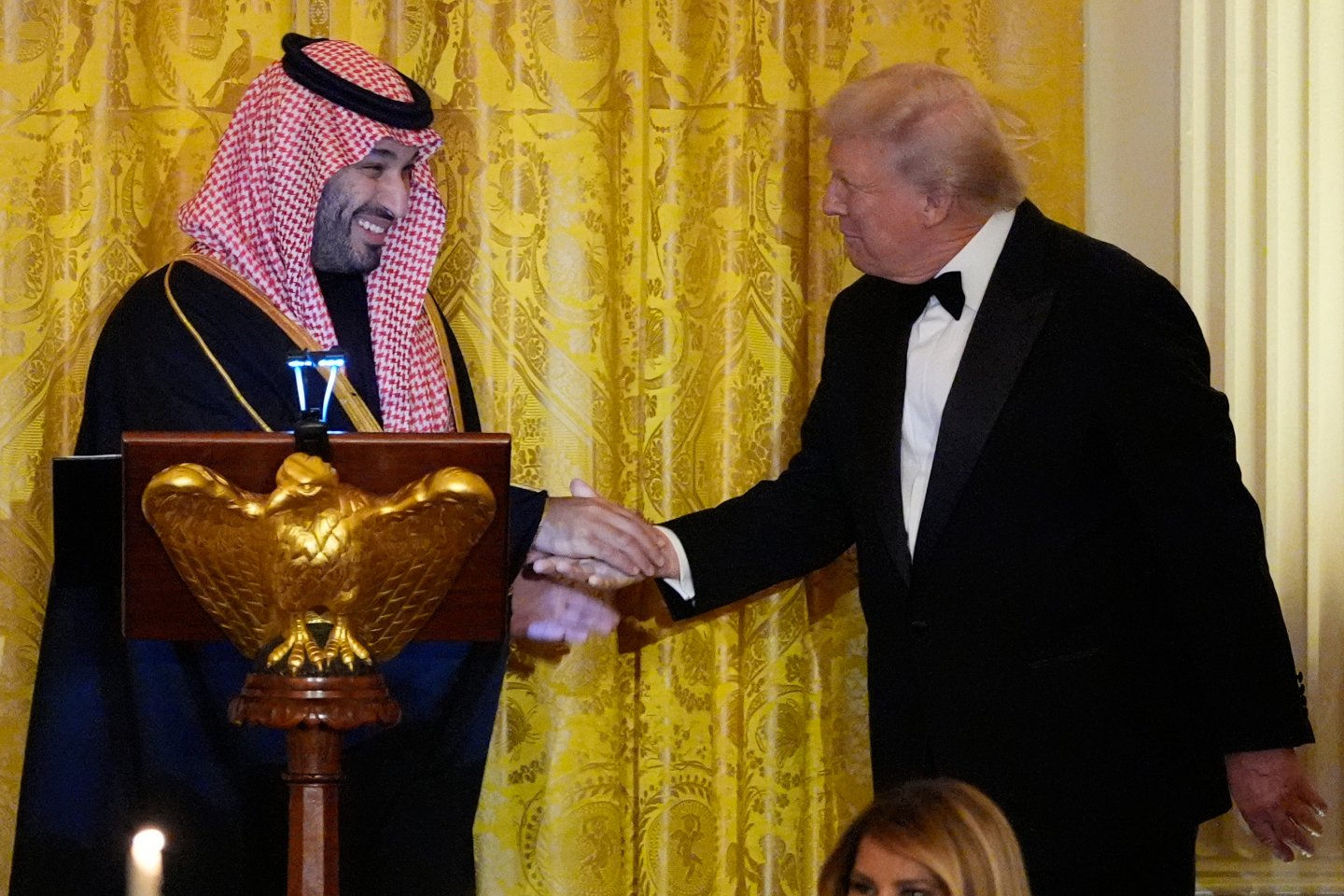
The renewed embrace comes as Riyadh presses ahead with economic transformation under Vision 2030 and the U.S., under Donald Trump’s administration, seeks stable partners in a turbulent Middle East.
But the growing comfort with Saudi power — and the risks it may carry — is generating fresh debate about the moral, strategic and geopolitical costs of ‘cozying up.’
In recent months the United States has granted Saudi Arabia the status of a “major non-NATO ally,” a designation that streamlines defence cooperation and weapons transfers, eases logistical support for U.S. forces, and deepens military-industrial ties.
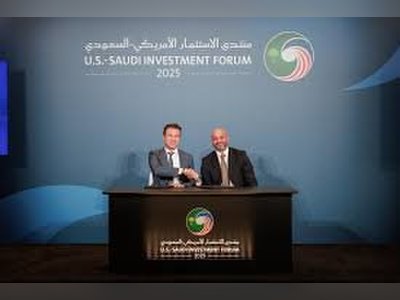
At the same time Riyadh has pledged to channel up to $1 trillion into U.S. investments — signalling a dual strategy of security alignment and massive capital flows into Western economies.
Many Western governments are demonstrating similar eagerness to accommodate Saudi investment, arms sales and diplomatic clout, even as the kingdom consolidates influence across global energy, finance and regional diplomacy.
Proponents argue that engaging Saudi Arabia reinforces Western influence in a volatile region and helps anchor Gulf economies in a post-oil world.
In Washington, policymakers point to Riyadh as a stabilising force — one that can help manage conflicts, balance regional rivalries, and underwrite supply security in energy markets.
From Stockholm boardrooms to Washington war-rooms, Saudi capital and cooperation are being framed as assets for Western strategic—and commercial—agendas.
Yet critics warn that the benefits come at serious costs.
Human-rights organisations point to unresolved issues including freedom of expression, minority treatment, and past episodes of political repression.
Regional analysts caution that strengthening Riyadh’s hand may encourage more assertive interventions across the Middle East.
They argue that arms deals could embolden Saudi involvement in conflicts or proxy wars, undermining long-term peace efforts.
Others warn that the alignment signals a relaxation of Western norms: when economic or strategic interests consistently outweigh values like human dignity and rule of law, the credibility of democratic states as moral actors is at risk.
There is also concern over the lack of conditionality.
Often agreements are framed as bilateral business or security deals without binding commitments to reform or accountability.
As such, they may leave civil-society voices — both within Saudi Arabia and internationally — sidelined.
Several analysts suggest that long-term stability requires transparent governance, inclusive reform and a stronger role for independent institutions or oversight bodies — changes not guaranteed by expanded defence ties or investment flows.
The discomfort is particularly acute among European partners, many of whom once shaped foreign policy around human-rights considerations.
As Western capitals increasingly pursue deals, many feel they are entering a new era of realpolitik where strategic alignment trumps normative values.
This shift may alter not only how foreign powers engage with Saudi Arabia — but also how global diplomacy balances power, principle and pragmatism.
As the Saudi-led diplomacy plays out in global capitals and Gulf boardrooms, the real issue for many remains this: are the short-term gains of access to capital and regional muscle worth the long-term potential price for rights, reputation and regional stability?
The debate, for now, remains unsettled — but the consequences may shape global geopolitics for decades to come.
The renewed embrace comes as Riyadh presses ahead with economic transformation under Vision 2030 and the U.S., under Donald Trump’s administration, seeks stable partners in a turbulent Middle East.
But the growing comfort with Saudi power — and the risks it may carry — is generating fresh debate about the moral, strategic and geopolitical costs of ‘cozying up.’
In recent months the United States has granted Saudi Arabia the status of a “major non-NATO ally,” a designation that streamlines defence cooperation and weapons transfers, eases logistical support for U.S. forces, and deepens military-industrial ties.
At the same time Riyadh has pledged to channel up to $1 trillion into U.S. investments — signalling a dual strategy of security alignment and massive capital flows into Western economies.
Many Western governments are demonstrating similar eagerness to accommodate Saudi investment, arms sales and diplomatic clout, even as the kingdom consolidates influence across global energy, finance and regional diplomacy.
Proponents argue that engaging Saudi Arabia reinforces Western influence in a volatile region and helps anchor Gulf economies in a post-oil world.
In Washington, policymakers point to Riyadh as a stabilising force — one that can help manage conflicts, balance regional rivalries, and underwrite supply security in energy markets.
From Stockholm boardrooms to Washington war-rooms, Saudi capital and cooperation are being framed as assets for Western strategic—and commercial—agendas.
Yet critics warn that the benefits come at serious costs.
Human-rights organisations point to unresolved issues including freedom of expression, minority treatment, and past episodes of political repression.
Regional analysts caution that strengthening Riyadh’s hand may encourage more assertive interventions across the Middle East.
They argue that arms deals could embolden Saudi involvement in conflicts or proxy wars, undermining long-term peace efforts.
Others warn that the alignment signals a relaxation of Western norms: when economic or strategic interests consistently outweigh values like human dignity and rule of law, the credibility of democratic states as moral actors is at risk.
There is also concern over the lack of conditionality.
Often agreements are framed as bilateral business or security deals without binding commitments to reform or accountability.
As such, they may leave civil-society voices — both within Saudi Arabia and internationally — sidelined.
Several analysts suggest that long-term stability requires transparent governance, inclusive reform and a stronger role for independent institutions or oversight bodies — changes not guaranteed by expanded defence ties or investment flows.
The discomfort is particularly acute among European partners, many of whom once shaped foreign policy around human-rights considerations.
As Western capitals increasingly pursue deals, many feel they are entering a new era of realpolitik where strategic alignment trumps normative values.
This shift may alter not only how foreign powers engage with Saudi Arabia — but also how global diplomacy balances power, principle and pragmatism.
As the Saudi-led diplomacy plays out in global capitals and Gulf boardrooms, the real issue for many remains this: are the short-term gains of access to capital and regional muscle worth the long-term potential price for rights, reputation and regional stability?
The debate, for now, remains unsettled — but the consequences may shape global geopolitics for decades to come.