Middle East Nuclear Ambitions Face Test as Turkey and Saudi Arabia Push Forward Energy Plans
Delayed regional projects and emerging cooperation efforts spotlight shifting priorities in nuclear power development
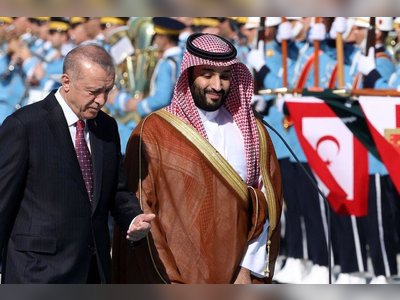
Turkey and Saudi Arabia are advancing ambitious nuclear energy programmes even as broader regional goals face setbacks, testing long-standing efforts to diversify energy sources and enhance power security across the Middle East.
Although a hoped-for nuclear boom in the region by 2025 has yet to fully materialise, new momentum in Ankara and Riyadh signals an evolving landscape for civil nuclear power amid shifting energy and geopolitical priorities.
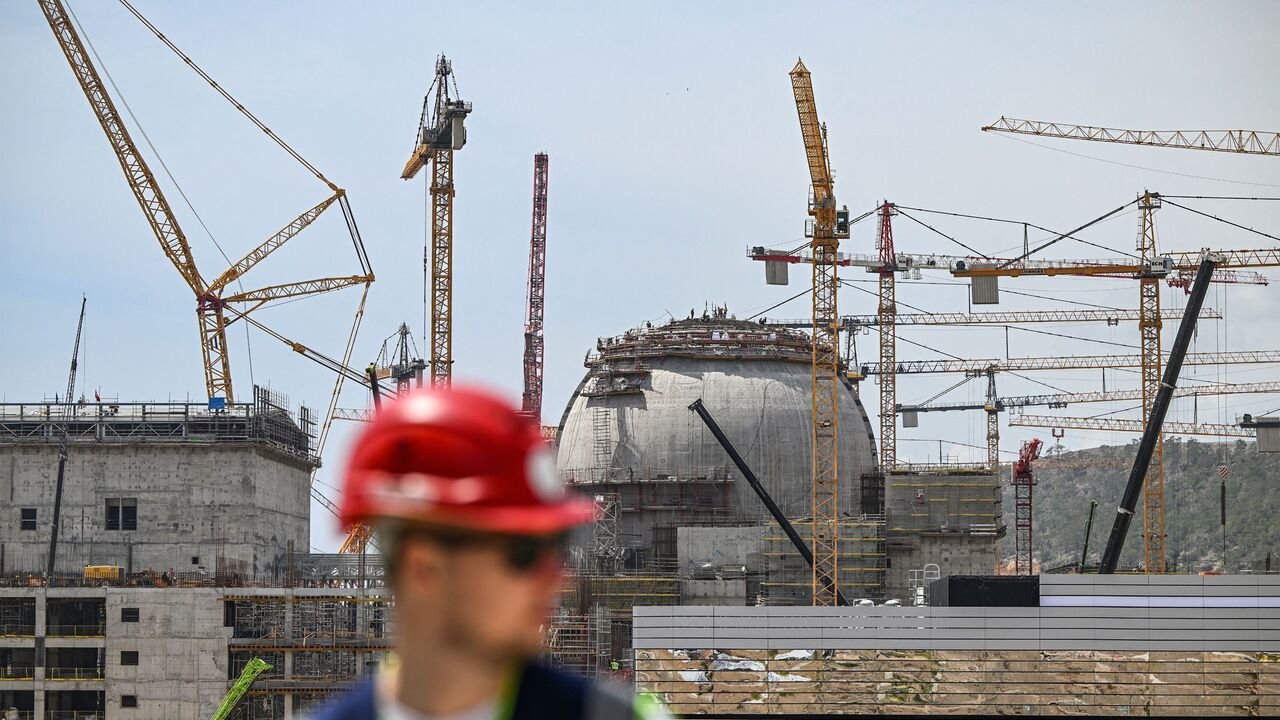
In Turkey, construction continues on the Akkuyu Nuclear Power Plant, a four-reactor project being built with Russian support that is expected to begin delivering power in 2026 when its first unit starts commercial operations.
Turkish officials have also said they aim to finalise international agreements by the end of the year for additional nuclear plants at Sinop and in the Thrace region, provided offers align with the government’s localisation and competitive pricing goals.
Ankara is also exploring regulatory frameworks to attract private investment in small modular reactors.
Saudi Arabia, for its part, has intensified efforts to develop a peaceful nuclear sector as part of the Kingdom’s Vision 2030 strategy to diversify its energy mix and reduce reliance on fossil fuels.
Riyadh has conducted cooperation meetings to build expertise and has signed agreements on nuclear safety and security with international partners, emphasising peaceful applications and regulatory development.
Saudi officials remain committed to working with the International Atomic Energy Agency to ensure the expansion of the nuclear sector aligns with global standards.
The broader Middle East nuclear picture includes existing capacity in Iran and the United Arab Emirates, with the UAE’s Barakah plant already producing electricity and Iran planning more reactors with Russian assistance.
A recent International Energy Agency-linked report projects that nuclear capacity in the Middle East and North Africa could triple by 2035 as countries seek reliable, low-emission baseload power to accommodate rising demand and grid stability needs.
Yet the region’s nuclear ambitions also intersect with longstanding non-proliferation efforts and security concerns.
Proposals for a Middle East nuclear-weapon-free zone have persisted for decades, aimed at reinforcing the Nuclear Non-Proliferation Treaty and building regional confidence, even as Iran’s programme and Israel’s undeclared arsenal shape strategic calculations.
These dynamics have underscored the fine line between peaceful energy development and proliferation anxieties in a region marked by complex rivalries and security challenges.
As Turkey and Saudi Arabia pursue civil nuclear energy breakthroughs, stakeholders must balance economic and environmental imperatives with careful regulatory oversight and cooperation to ensure nuclear power contributes constructively to regional energy security and stability.
The next phases of project implementation and international dialogue will be critical in determining whether these ambitions translate into operational capacity that strengthens the Middle East’s energy mix without inflaming geopolitical risks.
Although a hoped-for nuclear boom in the region by 2025 has yet to fully materialise, new momentum in Ankara and Riyadh signals an evolving landscape for civil nuclear power amid shifting energy and geopolitical priorities.
In Turkey, construction continues on the Akkuyu Nuclear Power Plant, a four-reactor project being built with Russian support that is expected to begin delivering power in 2026 when its first unit starts commercial operations.
Turkish officials have also said they aim to finalise international agreements by the end of the year for additional nuclear plants at Sinop and in the Thrace region, provided offers align with the government’s localisation and competitive pricing goals.
Ankara is also exploring regulatory frameworks to attract private investment in small modular reactors.
Saudi Arabia, for its part, has intensified efforts to develop a peaceful nuclear sector as part of the Kingdom’s Vision 2030 strategy to diversify its energy mix and reduce reliance on fossil fuels.
Riyadh has conducted cooperation meetings to build expertise and has signed agreements on nuclear safety and security with international partners, emphasising peaceful applications and regulatory development.
Saudi officials remain committed to working with the International Atomic Energy Agency to ensure the expansion of the nuclear sector aligns with global standards.
The broader Middle East nuclear picture includes existing capacity in Iran and the United Arab Emirates, with the UAE’s Barakah plant already producing electricity and Iran planning more reactors with Russian assistance.
A recent International Energy Agency-linked report projects that nuclear capacity in the Middle East and North Africa could triple by 2035 as countries seek reliable, low-emission baseload power to accommodate rising demand and grid stability needs.
Yet the region’s nuclear ambitions also intersect with longstanding non-proliferation efforts and security concerns.
Proposals for a Middle East nuclear-weapon-free zone have persisted for decades, aimed at reinforcing the Nuclear Non-Proliferation Treaty and building regional confidence, even as Iran’s programme and Israel’s undeclared arsenal shape strategic calculations.
These dynamics have underscored the fine line between peaceful energy development and proliferation anxieties in a region marked by complex rivalries and security challenges.
As Turkey and Saudi Arabia pursue civil nuclear energy breakthroughs, stakeholders must balance economic and environmental imperatives with careful regulatory oversight and cooperation to ensure nuclear power contributes constructively to regional energy security and stability.
The next phases of project implementation and international dialogue will be critical in determining whether these ambitions translate into operational capacity that strengthens the Middle East’s energy mix without inflaming geopolitical risks.